NASA's Plan to Save Its 20-Year-Old Space Telescope: Send a Robot to Give It a Push

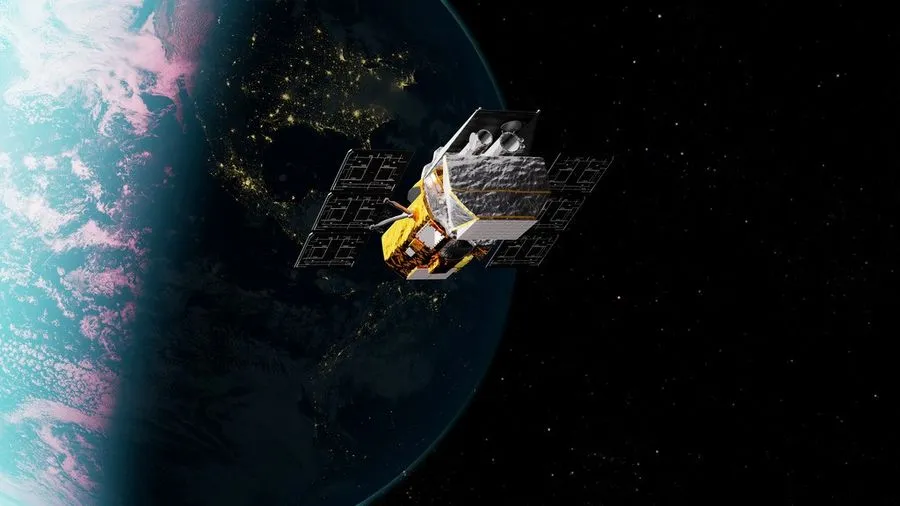
NASA is sending a robotic spacecraft to meet up with its aging Swift space telescope and push it higher into orbit, keeping it working for years longer. The mission launches in June 2026.
Swift has been orbiting Earth since November 2004, spending two decades spotting gamma-ray bursts — extremely bright, fast explosions that happen in distant galaxies. But there is a problem: Swift slowly sinks lower. In space, even thin air creates drag, like wind resistance on a falling leaf. Without a way to boost itself back up, Swift's mission will eventually end. A robot named LINK will do the pushing.
The Robot
LINK completed its tests at NASA in May 2026. It was built by Katalyst Space Technologies. The plan is straightforward: LINK will launch on a rocket, find Swift in orbit, connect to it, and fire its own engines to shove Swift higher. No human pilots are involved. Everything happens automatically.
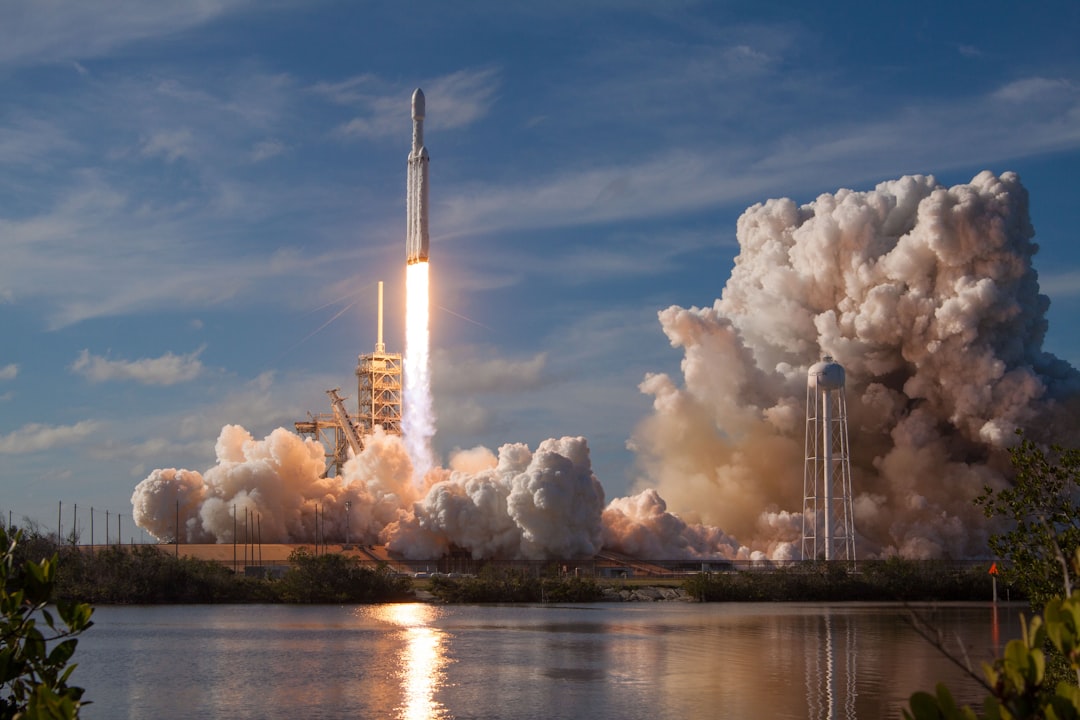
A Northrop Grumman Pegasus rocket will carry LINK into space. Pegasus is designed for missions like this — smaller payloads to low Earth orbit.
Preparing
NASA spent months getting Swift ready. Starting in February 2026, the team changed how they operated and watched the telescope, preparing for the moment when a robot would take over pushing it around. Swift's main camera should keep working the whole time, even during the boost. That is important because Swift is part of a worldwide team that watches for gamma-ray bursts and alerts other telescopes instantly when one happens. If Swift goes silent, scientists elsewhere miss those early warnings.
Why This Matters
Fixes like this are rare. Space agencies have talked about sending robots to repair and refuel old spacecraft for years, but it rarely happens — especially for telescopes that were not built with repair in mind. The Swift mission is a test. If LINK works, it might change how NASA builds future telescopes: designing them from the start so robots can service them later, instead of having to improvise.
If the boost succeeds, Swift will keep studying the universe instead of becoming silent debris in the sky.