A Robot Is Racing to Save an Aging Space Telescope Before It Falls to Earth

A Robot Is Racing to Save an Aging Space Telescope Before It Falls to Earth
NASA launched a robotic spacecraft early on July 3, 2026 to catch a 20-year-old telescope falling out of orbit. The robot, built by an Arizona startup called Katalyst Space, is supposed to grab the Neil Gehrels Swift Observatory and push it back up into safer, higher orbit—a mission that costs $30 million and will take about three months if everything works.
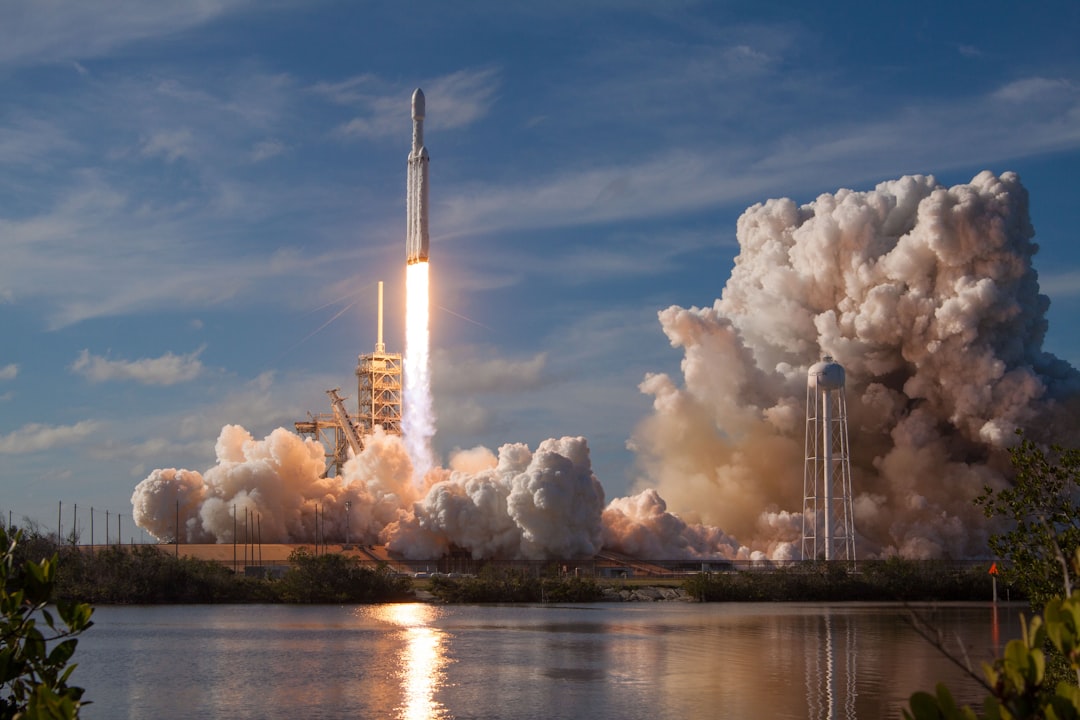
The launch used an aircraft-based method: a modified airplane flew to 40,000 feet over the Pacific Ocean and released a Northrop Grumman Pegasus rocket mid-air, which then fired its engines and carried the spacecraft, named LINK, to orbit. Ground teams confirmed radio contact shortly after the rocket released its cargo, marking the first major milestone.
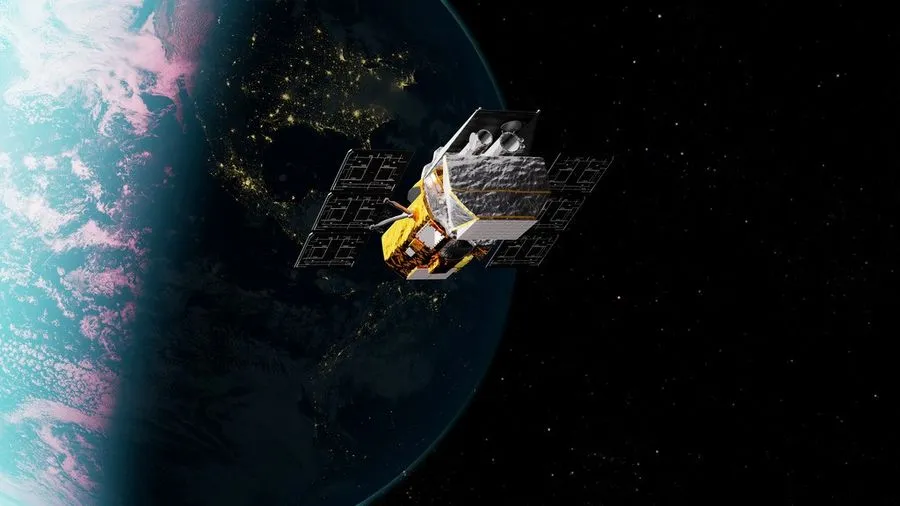
Over the coming weeks, Katalyst engineers will run checks on LINK's engines, sensors, and navigation systems. Once everything passes inspection, LINK will carefully approach Swift, survey it closely, and then use three robotic arms to grab hold and dock with it.
Why This Telescope Matters
Swift is a workhorse for astronomy. Since 2004, it has spotted and studied gamma-ray bursts—sudden, violent explosions in space that can signal the merger of two neutron stars or other extreme cosmic events. What makes Swift special is speed: when it detects a burst, it can turn itself to look at the explosion within seconds and immediately alert observatories on Earth and in space around the world. Think of it as a cosmic fire alarm.
The telescope's camera system works across multiple types of light—from gamma rays to X-rays to ultraviolet and visible light—so it can give a complete picture of what just exploded. One of its big discoveries was proving where the heaviest elements on Earth come from: in 2017, Swift helped track a neutron star merger and showed that these violent collisions create gold, platinum, and other rare heavy metals.
Brad Cenko, the scientist leading Swift, has described it as a dispatcher for the whole astronomy community. When Swift spots something, thousands of scientists around the world get the alert and can aim their own telescopes at the same spot.
The Problem and the Plan
The sun's activity over the past couple of years has caused Earth's upper atmosphere to heat up and expand. This creates more drag on spacecraft orbiting close to Earth. Swift is in a low orbit, and the drag has been slowing it down faster than NASA's engineers expected. Without help, it would fall out of the sky and burn up in Earth's atmosphere by the end of 2026, according to Engadget.
LINK's job is to pull Swift up to about 370 miles high, high enough to stay safe from atmospheric drag for another ten years or so. The entire operation—health checks, approach, docking, and the push to higher orbit—should take 10 to 12 weeks.
The most striking detail here is that this is a commercial rescue, not a government team in a government spacecraft. NASA hired Katalyst Space to design and build LINK under a fixed price contract of $30 million. That figure is small compared to what a new space telescope would cost—Swift has produced ten years' worth of science discoveries, and building a replacement would cost many times more than $30 million.
The launch was delayed three days by weather at Kwajalein Atoll in the Marshall Islands, where the carrier aircraft took off. The spacecraft had arrived at NASA's Wallops Flight Facility in Virginia in early June for preparation before being sent to the Pacific.
The real significance of this mission goes beyond saving one telescope. Fixing and refueling spacecraft in orbit—what engineers call "on-orbit servicing"—has been a goal for NASA and the space industry for years, but it has mostly stayed in the lab or in small demonstrations. Swift Boost is one of the first times a commercial robot has been sent to repair an active science spacecraft. The techniques and business model that work here could shape how NASA handles dozens of aging satellites and telescopes in the years ahead. The next three months will show whether this approach can work reliably and whether it makes sense to do this again.