Why Japan is Changing Its Imperial Succession Rules

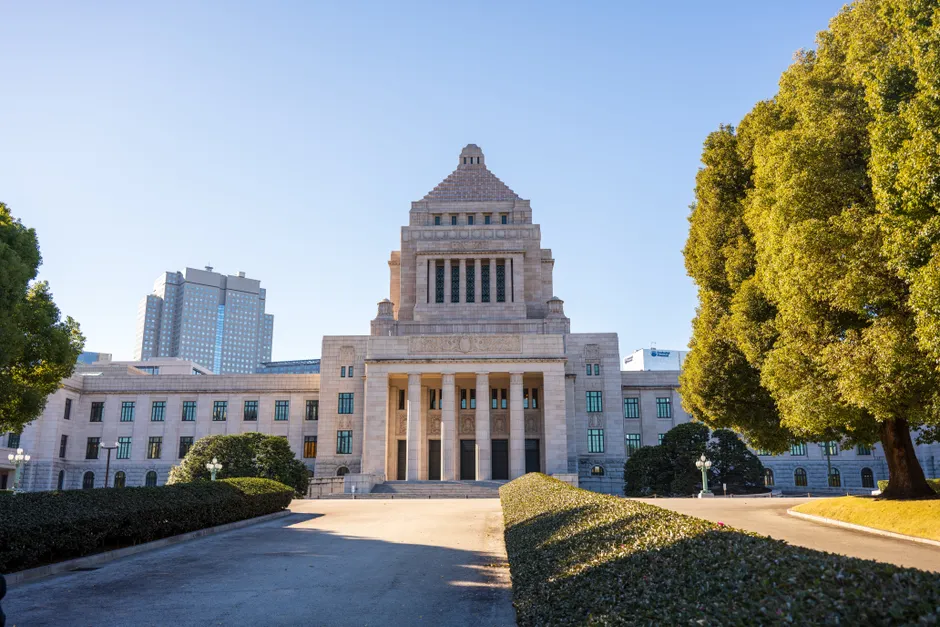
Japan's parliament voted on June 10, 2026, to move forward with a plan that would allow men from former imperial branches to rejoin the Imperial Family through adoption. The goal is practical: to ensure there are enough eligible male heirs to the throne.
Here's the key detail: the men being adopted would not become heirs themselves. Only their sons would be eligible to inherit the throne. Think of it as adding a rung to the ladder without putting the newly added person on it yet. This one-generation delay keeps the existing law intact while making the succession line less fragile.
Why This Matters Now
Japan has a strict rule: only male descendants in an unbroken male line can become emperor. The Constitution backs this up. Because of these rules, there are very few people eligible to be the next emperor after the current heirs.
Prince Hisahito is the only young male in the direct imperial line. He is second in succession, after Crown Prince Akishino. If Hisahito had no sons, the succession would hit a wall. There would be no one legally allowed to become emperor—a genuine crisis for Japan's government and the institution itself.
A Long Time in the Making
Japan's government has been thinking about this problem for more than twenty years. In 2005, an official advisory group wrote a report about it. Prime Minister Kishida called it urgent in January 2024. His successor, Prime Minister Ishiba, did the same in October 2024, saying the Imperial Family needs enough members to function properly.
What is new in June 2026 is that lawmakers actually drafted legislation. For decades, committees studied the problem without writing a bill. Now there is something concrete to debate and vote on.
Why Not Just Allow Women to Be Emperor?
That is a fair question. Some Japanese people support allowing women to inherit the throne, and the idea comes up regularly in public debate. But the adoption plan stays within the existing all-male rules. Why? Because any change to allow women would require a constitutional amendment, which is extremely difficult in Japan. The adoption approach is more modest and likely to pass with support from multiple parties.
Critics say this adoption plan just delays the problem instead of fixing it. Supporters say it is the only realistic path forward. Both arguments have merit.
The larger picture is this: Japan treats the Imperial Family and succession as a matter of fundamental institutional stability, not routine politics. That is why even a careful, limited proposal like this one draws serious attention from lawmakers across the political spectrum.