Japan Prepares to Change How Its Royal Family Works
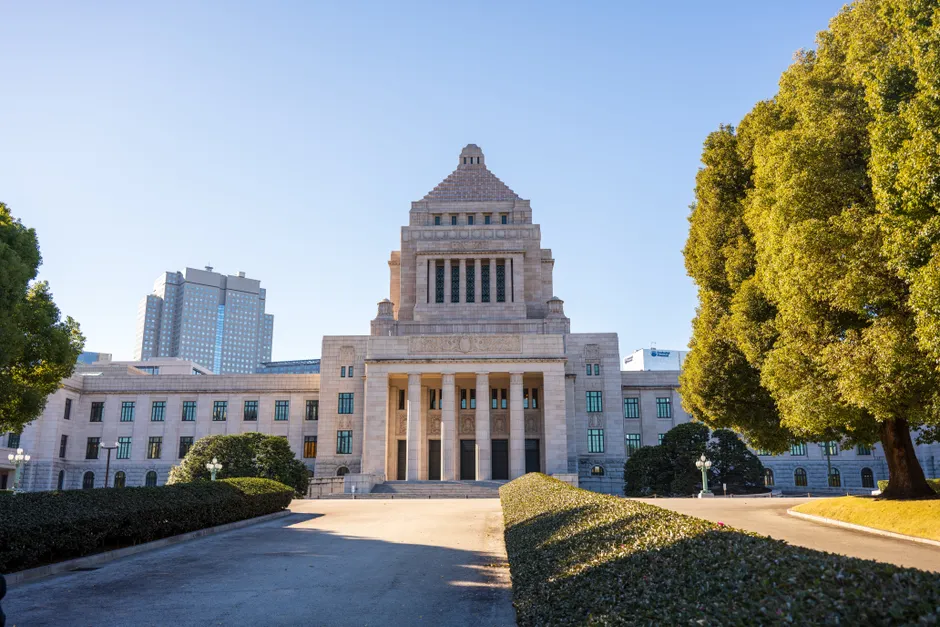
Japan Prepares to Change How Its Royal Family Works
Japan's parliament took a major step on June 10, 2026. Lawmakers drafted a proposal that would let women in the Imperial Family stay members even after they marry ordinary citizens. The draft also would allow the family to adopt male descendants from 11 former royal branches that lost their status after World War II.
This is the biggest shift in how Japan's succession rules work in many decades.
The Problem
Japan's Imperial Family faces a numbers problem. Emperor Naruhito has no sons. His younger brother, Prince Akishino, has one son: Prince Hisahito. That single child is the only male heir for the next generation.
Under Japan's 1947 law on imperial succession — written after World War II — the throne can pass only to males who are born into the male line. This rule has barely changed since it was written. It keeps with older Japanese family traditions that prioritized men.
Beyond succession, there's another constraint. The law forbids the Emperor and his family members from adopting children at all. It also restricts who they can marry. The new proposal would create a narrow exception: male descendants from those 11 former royal families could be adopted into the Imperial Family. This would reopen a pathway that closed in 1947.
The second part of the proposal tackles a different problem. Female members of the Imperial Family lose their status when they marry someone outside the family. Over time, this has shrunk the roster of people available to do the family's official work — hundreds of events and duties each year. Letting women keep their status would give the family more hands on deck.
What Changes and What Doesn't
Here's what the proposal does not do: it does not allow women to become empress in their own right. That's a change some people and some advisory groups have pushed for. Instead, the rule stays the same — only men in the male line can inherit the throne.
For adopted candidates from the former branches, they too must be patrilineal. In plain terms, that means their bloodline runs only through male ancestors back to a royal ancestor. This is a tight requirement that will limit how many men actually qualify.
The 11 families in question were shut down in 1947 when the Allies occupied Japan and restructured Japanese society. Their descendants have been ordinary citizens for nearly 80 years. Any adoption would mean more than just a legal change; it would mean real people — who have never lived in the royal world — would have to consent and make a major life transition. The proposal doesn't yet address how that would actually work.
What Happens Next
A draft proposal is not yet law. It's a signal of intent. To become law, it has to go through more debate, committee work, and a final vote in parliament. The political path isn't simple. The ruling party has handled imperial matters carefully and cautiously. Different political groups and people across Japan have different views on whether this change goes far enough or too far.
Supporters of the proposal point out that it's a practical fix — it draws on existing bloodlines rather than changing the core rule. Critics who want wider change will say the proposal locks in male inheritance at the exact moment it could have been reconsidered. Those who prefer the current system might worry the adoption pathway could open doors later on. All these voices will be heard in the months of debate ahead.
What matters right now: Parliament has moved from years of study and discussion to an actual legislative draft. The real question is whether this draft becomes law, and when.


