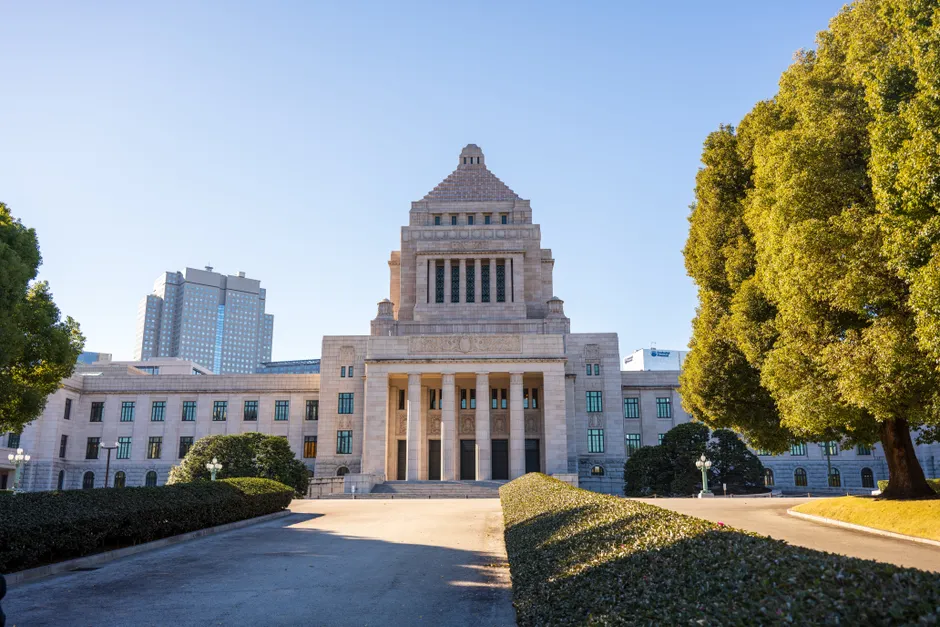
Japan's Parliament Proposes Changes to Keep the Imperial Family Stable

Japan's parliament drafted a proposal on June 11, 2026 to change laws about the imperial family. The goal is straightforward: keep the royal line going strong. The proposal contains two main ideas. First, women who marry outside the imperial family could stay in it instead of losing their status. Second, descendants of 11 branch families that lost imperial status in 1947 could potentially be adopted back in, with the government reviewing this option at regular intervals.
Major political parties across Japan's parliament backed the proposal. That matters because getting agreement among different parties on constitutional issues is rare in Japan. The government is now expected to turn this draft into actual legislation and push for a vote in the current parliamentary session, according to Asahi Shimbun.
The Two Changes Explained
Keeping women in the imperial family:
Currently, if a woman from the imperial family marries someone who is not imperial, she loses her official status and must leave the family. The draft would change that rule. Women could stay connected to the imperial family after marriage. This would increase the number of people available for official ceremonies and family roles. However, it would not change who can become emperor. The law still says only men in the direct male line can inherit the throne — and the draft does not touch that rule.
Bringing back descendants of old branch families:
This is more complicated. In 1947, Japan's government took imperial status away from 11 family branches that descended from earlier emperors. Those families became regular citizens. Hundreds of their male descendants live as private citizens today. The draft says men from these former branch families could be adopted into the active imperial branches. Rather than deciding this case-by-case whenever a problem comes up, the government would review who is eligible at set times on a regular schedule.
This structured review process has a practical purpose: it prevents future governments from facing a sudden crisis without a plan in place. Decisions made ahead of time reduce chaos later.
Why This Matters Right Now
The timing is driven by a real numbers problem. Emperor Naruhito has one child: Princess Aiko. She cannot become emperor under current law, only because she is a woman. His brother, Prince Fumihito, has three children — two daughters and one son. That son, Prince Hisahito, is 19 years old and is currently the only male heir in the direct line after his father. Looking further down the line, the imperial family is running low on male members who could inherit the throne.
Meanwhile, the 11 former branch families contain dozens of men who still carry the imperial bloodline. They just lost their official status decades ago.
For many years, Japan's parliament has debated how to fix this problem but never reached agreement. The main disagreement was whether to allow women to become emperor — a question that divided political parties and the public. This new proposal avoids that harder fight entirely. Instead, it expands who counts as part of the imperial family and brings in males from the old branch lines, while keeping the rule that only men in the direct line can be emperor. That compromise is apparently what made different parties willing to work together.
The question left unanswered is whether adopting men from the former branch families truly solves the long-term problem or just buys time. Japan has a long history of using adoption in royal and aristocratic families, so the legal tools exist. But turning adoption into an imperial succession tool will require careful rules about consent, age, and how new members fit into the existing family structure. Those details will appear when the government writes the actual bill.
The government agency that handles all imperial matters — the Imperial Household Agency — will play the central role in making this work. How they run the regular review process for former-branch members, and how they handle adoption, will determine what the law actually does in practice.
The parliamentary session has a deadline. If the government moves quickly on writing the bill, it could pass before the current session ends. Cross-party agreement is already locked in, which puts this proposal on firmer ground than any previous attempt to solve this issue.