Why the Same River in Nepal Keeps Flooding — and Why It's Getting Worse

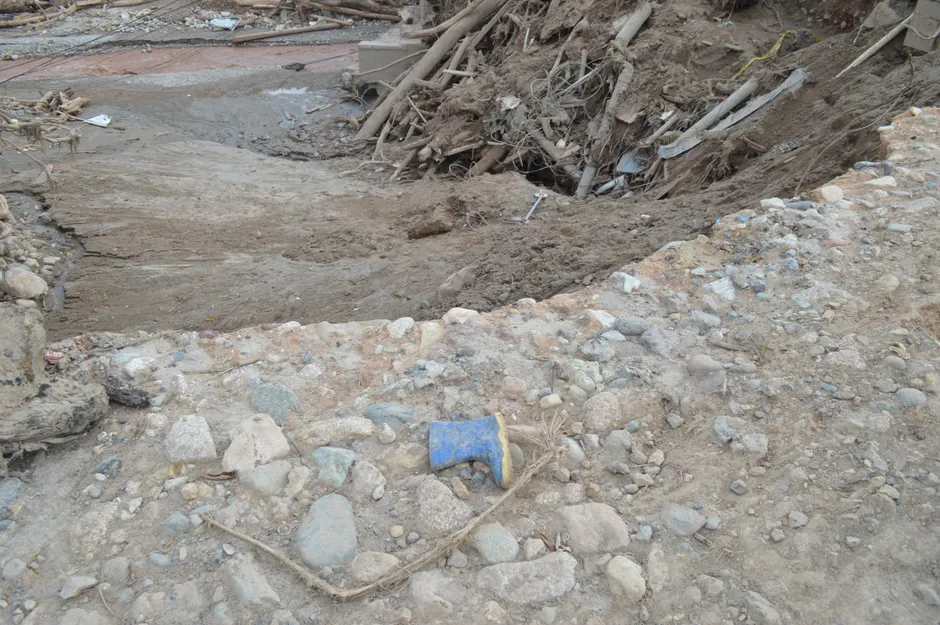
A flash flood along the Nepal-Tibet border on August 26 killed at least 18 people and left hundreds of tourists missing, according to the Strait Times. The floodwaters hit villages and project sites near the border, washing away roads and buildings.
This is not a one-time event. The flood happened along the Bhote Koshi River, which starts on the Tibetan plateau and flows south into Nepal. In just over a year, this river has had at least two deadly floods. Both are linked to glacial lakes on the Chinese side of the border.
Here is how that works. Glaciers high in the mountains are melting as the planet warms. The meltwater collects into lakes held back by natural walls of rock and ice. When one of those walls breaks, the lake empties suddenly, sending a wall of water racing downstream with almost no warning. Scientists call this a glacial lake outburst flood, or GLOF.
In July 2025, a flood on the Bhote Koshi killed at least nine people and left more than two dozen missing, according to Reuters. Nepal's climate agency said that flood was caused by a glacial lake draining on the Tibetan side — not just by heavy monsoon rains. Another Reuters report from July 8, 2025 said at least eight people were killed and over two dozen went missing after the same river flooded and washed away the 'Friendship Bridge' connecting Nepal and China.
The August 26 flood hit the same border area. Again, villages and project sites were washed away. The death toll reached at least 18, with hundreds of tourists reported missing — far more than in July 2025. The Strait Times did not say whether a glacial lake caused this flood too, but the location and river are the same.
The bigger picture is that these glacial lake floods are happening more often across the Himalayan region. As temperatures rise, the natural walls holding back glacial lakes are wearing down. When they break, the water can travel for tens of kilometers with very little warning. Nepal's climate agency already connected a Tibetan glacial lake to the July 2025 flood, which gives scientists a likely explanation for the August 26 flood as well, though they are still studying it.
There is an added problem: the flood starts in Tibet, but the people in danger are in Nepal. That means Nepal's warning time depends on how quickly information crosses the border from China. The 'Friendship Bridge' that was destroyed in July 2025 shows that border crossings themselves are in the flood's path. The hundreds of tourists reported missing also means the area was busy with visitors when the water came, making rescue work harder in steep, remote terrain.
Two major floods on the same river in just over a year is a pattern. Both floods are linked by location, and at least one has been confirmed as a glacial lake flood. That suggests the glaciers upstream in Tibet are becoming unstable. For the people, projects, and infrastructure along the Bhote Koshi, the time between disasters is getting shorter.
What this means for the region is cause for concern. Scientists who study glaciers and disasters increasingly agree that the Himalayas are entering a period where these floods will happen more often, and that rivers connecting Tibet to Nepal and northern India will face growing danger. The fact that hundreds of tourists were in the flood zone also shows a gap between what hazard maps say and where people actually go in high-altitude valleys. No warning system can fully protect people from a sudden glacial lake flood in such steep terrain. But the jump in casualties — deaths doubled and the missing went from dozens to hundreds between July 2025 and August 2026 — points to either a bigger flood or more people in harm's way.
Neither possibility is reassuring. Both point to the same conclusion: a river that has flooded twice in thirteen months is telling us that melting glaciers upstream are turning into catastrophe downstream, fast.