Nepal's Flash Floods: What Happened and Why It Matters

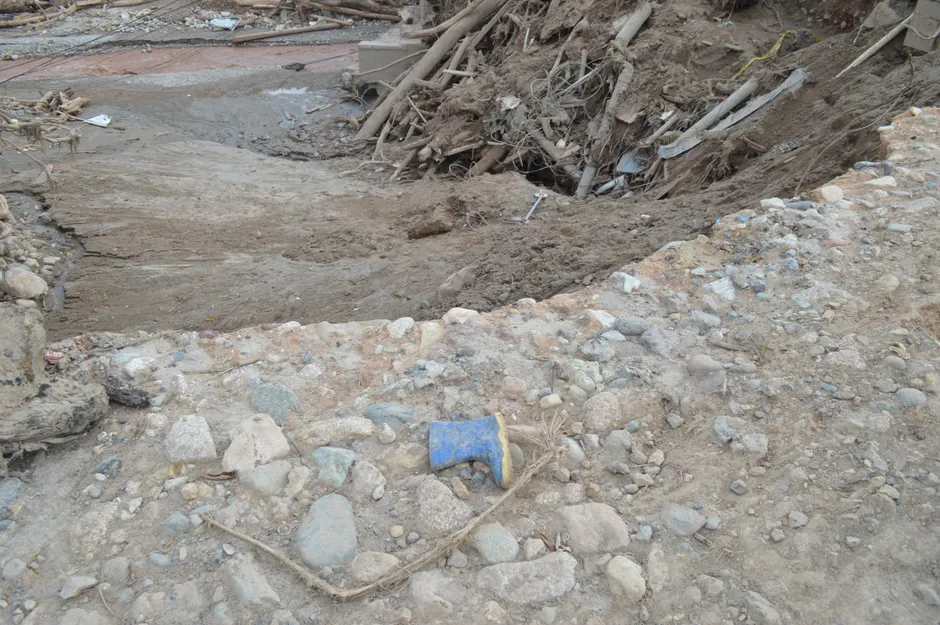
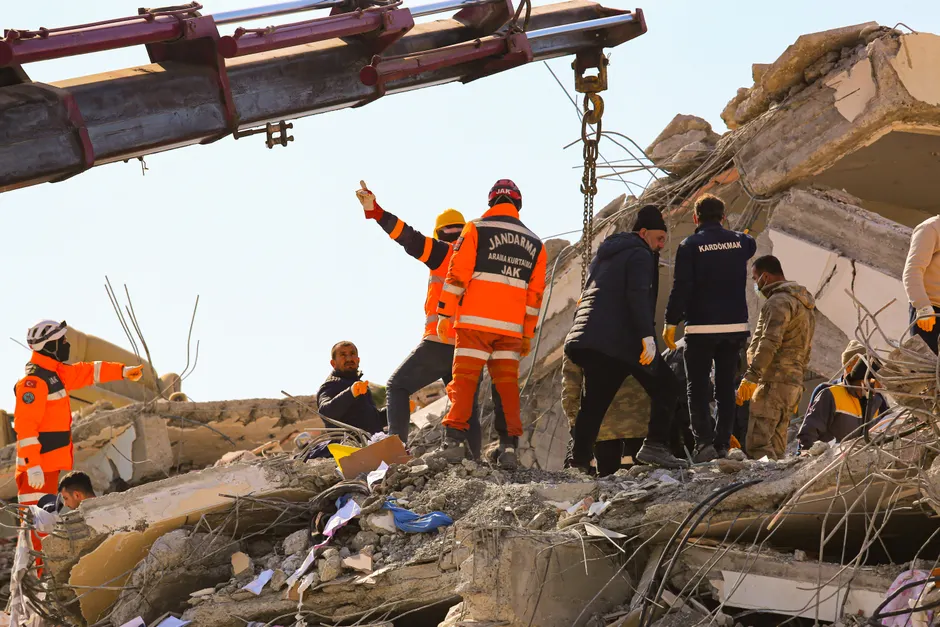
At least 160 people have been killed and more than 400 are missing after sudden flash floods tore through the Nepal-Tibet border area on August 26, 2026. The floods destroyed villages and roads across two districts in Nepal called Rasuwa and Nuwakot. Nepal's tourism ministry said 403 tourists are still unaccounted for, and 341 of them are from other countries, according to the Nepal Tourist Board as reported by Al Jazeera and PBS NewsHour.
The missing tourists come from many different countries. The Nepal Tourist Board identified 47 Americans, 34 Australians, 33 Britons, and 24 Canadians among those unaccounted for, as reported by The Guardian. CBS News separately reported 33 Americans, 4 Germans, 19 Malaysians, and one Israeli among the missing. More than 100 Indian pilgrims — people traveling for religious reasons — were also among the missing, according to The New York Times. The Nepal Tourist Board said 203 of the missing are male and 200 are female.
The number of dead kept rising through the day. Al Jazeera and PBS NewsHour reported at least 160 killed. ABC News Australia said more than 150. CNN reported the toll exceeded 150 and was expected to rise. CBS News reported at least 95 killed with nearly 400 missing. Arise TV News reported 380 travellers missing. The Nepal tourism ministry's count of 403 is the most reliable number available so far.
Scientists suggested the flooding may have been caused by a piece of a glacier breaking off, The New York Times reported. A glacier is a massive, slow-moving sheet of ice. When a chunk breaks off suddenly, it can send a huge wave of water rushing down a valley with very little warning. That would explain the suddenness and force of this flood, though a final answer on the cause had not yet been confirmed. The two affected districts, Rasuwa and Nuwakot, sit along a route that hikers and pilgrims often use to cross between Nepal and Tibet.
Several governments acted quickly to find their citizens. Australia's foreign minister Penny Wong said the government was urgently trying to confirm the welfare of Australians in Nepal. Australia's Department of Foreign Affairs and Trade said it was aware of a number of Australians in the affected area and was working with local authorities and tour operators. One missing Australian had been travelling with a company called Kathmandu Holiday Tours + Travel, according to Agence France-Presse. Australia's ambassador to Nepal, Simon Ernst, said he was "deeply saddened" by the disaster.
The embassies of Australia, Finland, France, Norway, Switzerland, and the UK in Nepal issued a joint statement expressing sadness over the flooding in Rasuwa and Nuwakot districts and surrounding areas. So many countries were involved in the response because so many foreign nationals were caught in the disaster.
The broader context here matters. The Himalayan region, where Nepal sits, has been facing growing questions about the combined dangers of climate change and melting glaciers. As temperatures rise, glaciers shrink and sometimes break apart, and scientists have linked this to more frequent sudden floods, called glacial lake outburst floods, across the mountain range stretching through the Himalayas and neighboring ranges. If a glacier breaking apart is confirmed as the cause of this flood, it would fit a pattern scientists have been tracking in the region. Nepal has also long struggled to set up warning systems in remote border areas, and the large number of dead and missing in Rasuwa and Nuwakot shows the cost of that gap.
It is unusual for a flood in this area to involve so many foreign nationals. That is because the Rasuwa corridor is especially popular with hikers, pilgrims, and adventure tourists during the late monsoon and early autumn season. The fact that a tour company was involved, as with the missing Australian travelling with Kathmandu Holiday Tours + Travel, shows how organized travel companies bring visitors into terrain that, while popular, is highly vulnerable to sudden floods during the rainy season.
For the affected governments, the top priority right now is finding their citizens who cannot be reached. The joint embassy statement suggests that countries are working together rather than each on their own, which could help share information faster in an area where the floods have damaged phone and internet lines. The death toll, already above 150 and expected to climb, makes this one of the deadliest flooding events to hit Nepal's border regions in recent years.