A Fatal Mistake at a Bungee Jumping Site in Brazil
A Fatal Mistake at a Bungee Jumping Site in Brazil
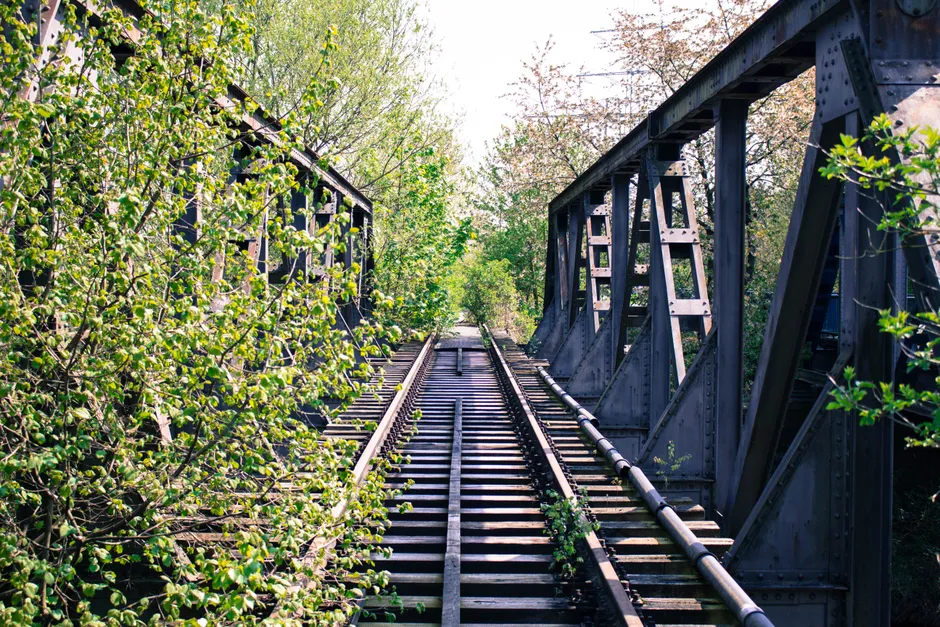
Maria Eduarda Rodrigues de Freitas, 21, died after jumping from Ponte do Esqueleto, an abandoned railway bridge in São Paulo state, without a safety rope attached. According to AP News, instructors were present at the site when she was sent off the bridge in 2026. The rope — the single piece of equipment that keeps you from falling straight down — was simply not there. She was later buried in Brazil.
Bungee jumping is supposed to work like this: you jump, the rope stretches and slows you, then it bounces you back up. Without the rope, it's just a fall. The fact that trained instructors were on site and didn't catch this missing equipment before she jumped points to a complete breakdown in the basic safety checks that should happen before every single jump.
Why This Happened Where It Happened
Ponte do Esqueleto — "Skeleton Bridge" in English — is no longer used by trains. Over time, it became a spot where adventure companies and casual thrill-seekers do extreme sports. That matters because the bridge exists in a legal gray area.
In Brazil, proper bungee jumping sites must follow official safety standards and have their equipment inspected regularly. But informal or semi-commercial spots like this bridge operate outside that system. There's no government agency checking on them. When something goes wrong, it's entirely on the operator to know what they're doing.
What Should Have Happened
Before every bungee jump, there are basic steps: confirm the harness is attached, verify the rope is secure, and have two people sign off that everything is safe. These checklists exist because the stakes are absolute — if you miss one step, people die.
Whether Ponte do Esqueleto had these safety checks written down, and whether staff actually followed them, will be crucial to any legal case. The instructors who were present at the jump are the immediate focus of investigation. Depending on what authorities find, they could face criminal charges ranging from negligent homicide to more serious counts if they deliberately cut corners.
The site's owner and anyone running the bungee operation commercially could also face lawsuits and be held responsible for damages.
What Happens Next
Deaths at informal adventure tourism sites don't often lead to new safety rules on their own. What usually prompts authorities to tighten oversight is a pattern of incidents, sustained media attention, or a high-profile case where victims' families pursue legal action that gets public attention.
De Freitas's death has some of these elements: a clear, obvious failure, trained staff on site, and a young victim. Whether this case pushes Brazilian authorities to strengthen rules around informal extreme sports — or whether it stays a localized criminal matter — will depend on how much pressure and focus builds in the coming weeks.
The Unchangeable Reality
For the bungee jumping industry broadly, this case underscores something unforgiving: the gap between doing things right and doing them wrong only matters in the moment you jump. After that, there is no second chance.


