Why a Brazilian City Is Suing the Federal Government Over a Woman's Death

A city in Brazil is taking the federal government to court over the death of Maria Eduarda Rodrigues de Freitas. She fell 40 meters—about 130 feet—from an abandoned bridge called the Ponte do Esqueleto while participating in rope jumping, a sport where people descend using a special rope under someone's control. The city argues the federal government is partly responsible because it knew about the bridge and the people using it, but did nothing to stop them or make the site safe.
Freitas was 21 years old. She fell from the bridge in June 2026 while rope jumping without being attached to safety ropes. A nurse who was there tried to help her, but she did not survive. Before jumping, Freitas had posted pictures on social media showing the bridge and her preparation for the jump—a sign that the event was informal and unregulated.
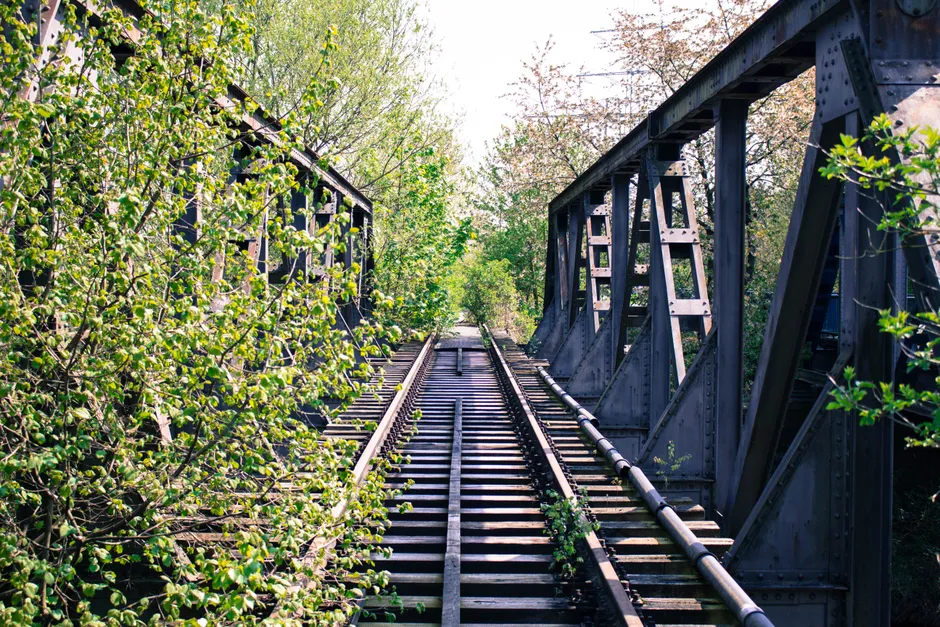
The Ponte do Esqueleto is no longer used as a bridge but has become a popular—though dangerous—spot for people doing extreme sports. There are no safety systems in place, no official warnings, and no one officially managing the site.
The city of Limeira is using a specific legal argument: it says the federal government can be held responsible not just for things it does, but for things it fails to do when it has a responsibility to act. This is a doctrine in Brazilian law that gives injured parties or their communities the right to sue when the government stands by and does nothing.
This is where Brazil's system of government matters. The country divides power between federal, state, and local governments. When an abandoned structure belongs to the federal government but sits in a local city, the city usually cannot tear it down or officially secure it. However, when accidents happen at that site, the city gets blamed. By suing, Limeira is forcing a court to decide who should have been responsible. In effect, the lawsuit says: this problem is not ours to own.
The case will turn on questions of fact: Does the federal government actually own the bridge? Did anyone ever notify federal officials about the danger? Did the government know people were using the site for extreme sports? Freitas's social media posts could be evidence that the danger was known and ongoing, not some obscure secret.
Beyond this single case, Brazil has a broader problem. Extreme sports like rope jumping and canyoning happen largely outside official safety systems. When people die, there are sometimes calls for new laws, but enforcement is weak across the country's 26 states. If Limeira wins this case, courts in other parts of Brazil might use it as precedent for holding the federal government responsible for similar abandoned structures.
From a political angle, the lawsuit also helps Limeira's leaders. Cities in Brazil often face public anger over accidents they did not cause and cannot prevent. By suing the federal government, the city shifts the focus upward and away from itself.
Maria Eduarda Rodrigues de Freitas was 21 years old. That fact deserves to stay at the center of this story.