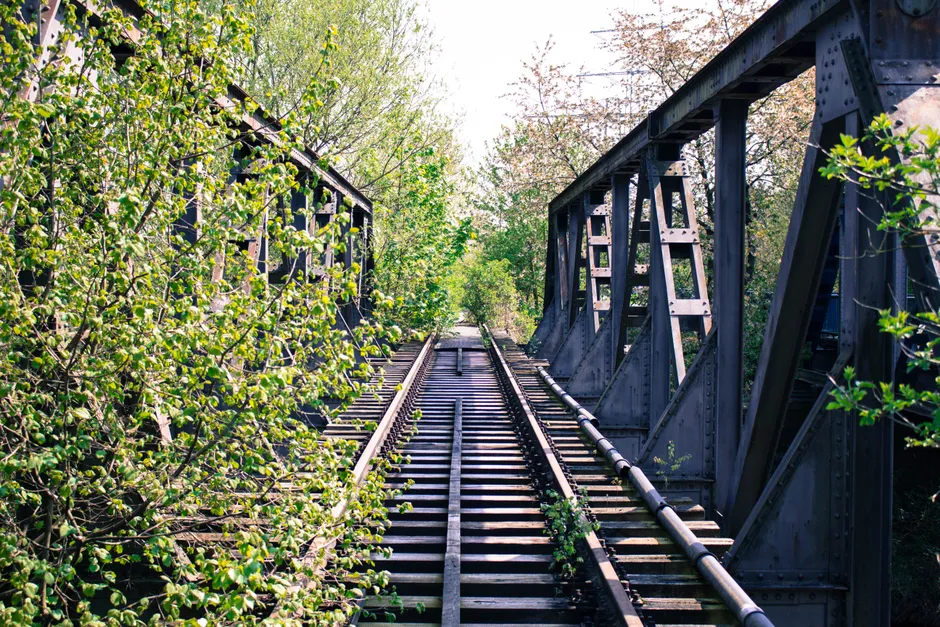
Young Woman Dies in Rope Jump From Abandoned Bridge in Brazil

Young Woman Dies in Rope Jump From Abandoned Bridge in Brazil
Maria Eduarda Rodrigues de Freitas, 21, died following a rope jump from Ponte do Esqueleto, an abandoned bridge about 40 meters (131 feet) above the ground in Limeira, Brazil, AP News reported on June 14, 2026. She was subsequently buried.
Rope jumping is a dangerous activity where participants tie a rope to a fixed structure—like a bridge—and jump, hoping the rope will catch them before they hit the ground. It is different from bungee jumping, which uses professional equipment, trained staff, and safety checks. With a rope jump from 40 meters up, there is almost no room for error. Even a small mistake in how long the rope is, or how strong the anchor point is, can be fatal.
Ponte do Esqueleto, which means "Skeleton Bridge" in Portuguese, has become an informal meeting place for people who do rope jumps. Because the bridge is abandoned, nobody guards it, and there are no official rules. In Brazil and elsewhere in Latin America, old unused structures like this often become places where people do risky activities without anyone checking if it is safe. Without enough police or security workers, it is hard for the government to control who uses these empty structures.
Brazil does not have clear national laws that regulate dangerous activities like rope jumping on abandoned or private land. People who rope jump operate in a legal grey area, meaning the law is unclear about what is allowed. When something goes wrong, the courts treat it like a general accident rather than a failure of a regulated sport. This matters because it means there are fewer protections in place.
De Freitas's death is part of a pattern. Rope jumping deaths and similar accidents have happened several times in Brazil and the region. Each time, people call for the government to better protect abandoned sites, but actual change has been slow. The question of how much personal freedom people should have to do risky activities—versus how much responsibility the government has to keep people safe—remains unresolved in Brazil.
What makes these deaths different from accidents in professional sports is the complete absence of safety measures. There is no trained operator, no person watching to make sure things go right, no equipment checking, and often no plan for an emergency. When something fails from 40 meters up, it is too late to help.
Right now, we know who the victim was, where it happened, and that she was buried afterward. We do not yet know the exact reason she died, whether anyone else was there, or whether the police have started an investigation. More details may come as Brazilian authorities look into what happened.