Russia Strikes Ancient Ukrainian Cathedral, Kills Dozens
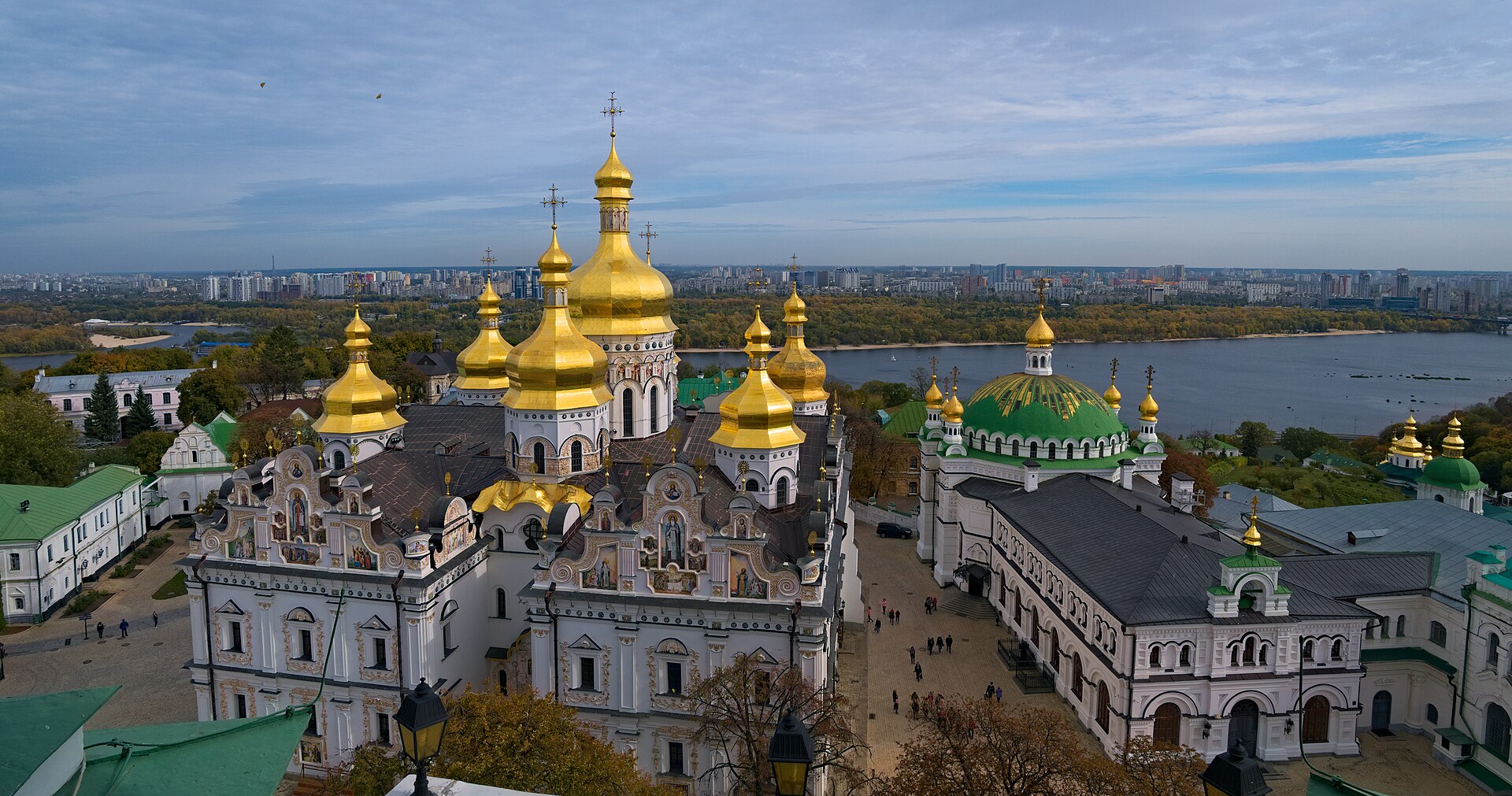
On June 15, 2026, a fire broke out inside an ancient cathedral in Kyiv, Ukraine, after what appears to have been a Russian military strike. The cathedral is part of a monastery complex nearly a thousand years old and deeply important to Ukrainian identity. The same day saw attacks across Ukraine's major cities that killed at least 11 people and wounded dozens more, including children.
Five deaths were confirmed in Kyiv itself, with the city's mayor reporting at least 30 wounded. The attacks happened in multiple cities at nearly the same time, which fits the Russian military's strategy of sending many missiles and drones at once to overwhelm Ukraine's defenses and cause maximum harm.
Why This Cathedral Matters
The Dormition Cathedral dates back to the 11th century, built during an era called Kyivan Rus — think of it as the ancestor of modern Ukraine and Russia. The building survived destruction by the Mongols in 1240, was rebuilt, then was torn down by the Soviet government in 1941. The Soviets originally blamed retreating German forces, but later documents showed they had demolished it themselves. After Ukraine became independent, the government rebuilt the cathedral, and it was rededicated in 2000.
The monastery sits on a hilltop above the Dnipro River and has been protected as a UNESCO World Heritage Site since 1990. In recent years, Ukraine has been transferring control of the site from the Russian Orthodox Church to the Ukrainian government — a contested legal dispute.
What Happened? Russia and Ukraine Disagree
Russia says it did not strike the cathedral. Moscow claims instead that the fire was caused by a Patriot missile — one of Ukraine's own air defense weapons — that fell back to earth after being fired. This claim cannot be confirmed from available evidence, and Russia has made similar arguments after other strikes on civilian buildings throughout the war. Ukrainian and Western officials have rejected these explanations before.
It is possible for air defense missiles to miss their targets, fall, and start fires. Both sides have acknowledged this happening at times during the conflict. But determining what actually caused the fire on June 15 would require technical investigation that hasn't been made public yet.
The Bigger Picture
The attacks extended beyond Kyiv to cities like Kharkiv. The scale and timing match the pattern of large, coordinated Russian strikes that have occurred throughout the war, though no official reason for striking on June 15 specifically has been announced.
The destruction at the cathedral matters differently than damage to a power plant or military facility. The site is protected under international law — specifically, the 1954 Hague Convention that both Russia and Ukraine agreed to follow. The International Criminal Court is investigating the Ukraine conflict, and evidence of strikes on protected heritage sites can be used in war crimes cases. The records from June 15 will likely be kept for possible future proceedings.


