Russia Attacked an Ancient Cathedral in Kyiv. Here's What Happened and Why It Matters.

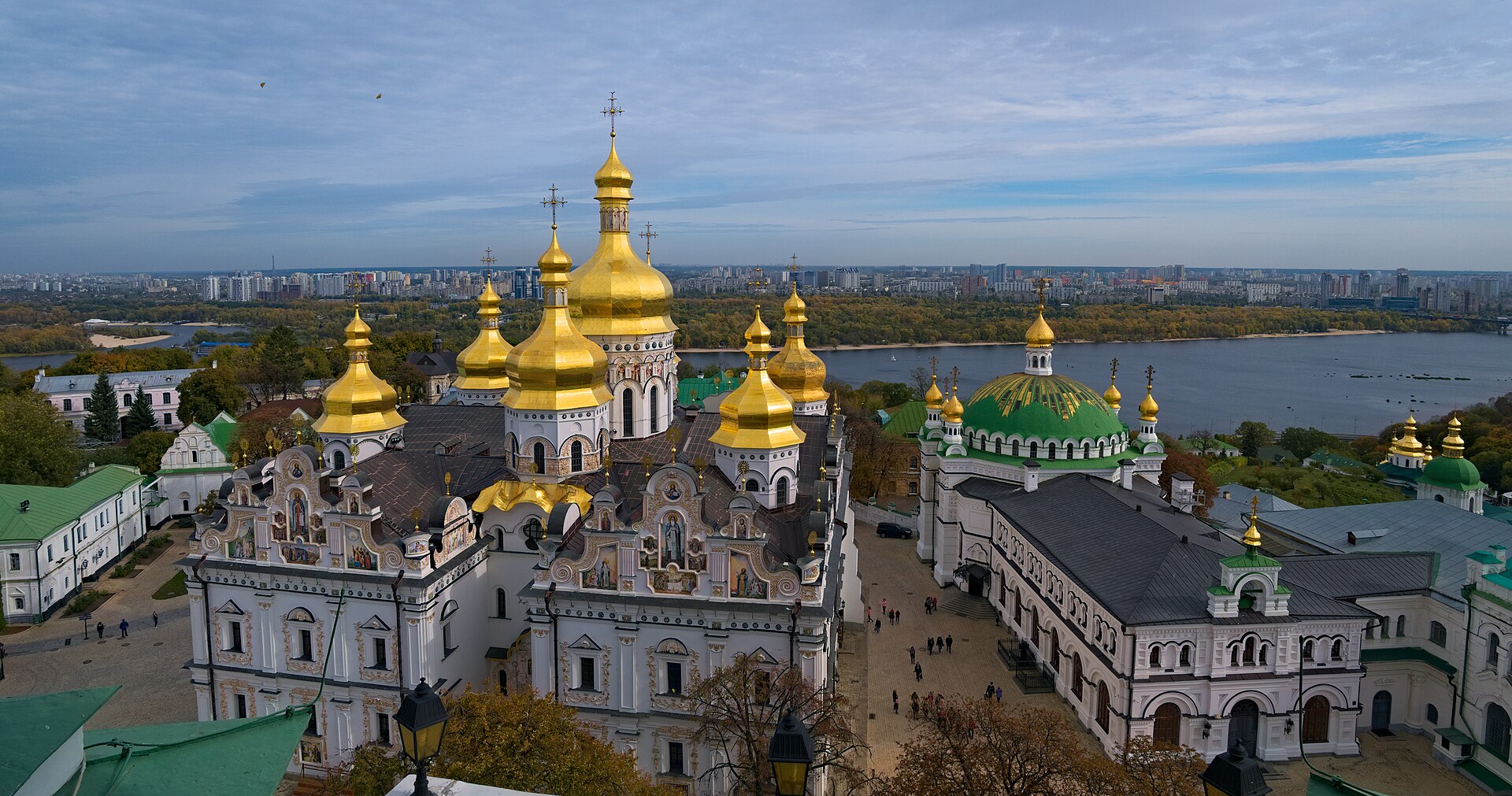
On June 15, 2026, Russian drones hit the roof of the Dormition Cathedral at Kyiv-Pechersk Lavra, a historic monastery in Kyiv, Ukraine. Fires broke out in the cathedral and a nearby building called the Mystetskyi Arsenal. Emergency workers put out both fires, according to Ukraine's parliament and President Volodymyr Zelensky's office. Zelensky publicly thanked the emergency responders. At the time of the statement, officials had not yet fully assessed the damage to the cathedral.
What This Cathedral Means
The Dormition Cathedral is not just an old building. It sits at the heart of Kyiv-Pechersk Lavra and carries enormous weight in Eastern Orthodox Christianity — the main branch of Christianity in Ukraine and Russia. The original cathedral was built in the 1000s, torn down by Soviet authorities in 1941, and rebuilt after Ukraine became independent. It is now under the care of the Orthodox Church of Ukraine, led by Metropolitan Epiphanius. The transfer of the monastery from a Russian Orthodox-affiliated church to the Ukrainian church created lasting tension between the two nations even before this strike.
A Pattern of Attacks on Culture
This attack fits a broader trend. Since Russia's full-scale invasion began in February 2022, Ukraine's government has documented over 700 religious sites damaged across the country. Between February 2022 and December 2023, 872 cultural heritage objects were destroyed or damaged, according to Ukraine's Interior Ministry. A Russian attack in January 2026 had already damaged other buildings at the same monastery complex. Kyiv-Pechersk Lavra is a UNESCO World Heritage site, meaning it is recognized as irreplaceable to human history.
What International Law Says
Both Russia and Ukraine agreed to protect cultural sites during war. The monastery is protected under the 1972 UNESCO Convention and the 1954 Hague Convention for the Protection of Cultural Property. If evidence shows Russia deliberately aimed at the cathedral, it could count as a war crime. The International Criminal Court is already documenting alleged war crimes from this conflict.
Why This Strikes Hurt Beyond the Building
The broader significance here involves more than bricks and mortar. The monastery represents Ukrainian identity, Orthodox Christian heritage, and competing historical narratives that Russia has used to justify its war. A burning cathedral broadcast to the world sends a psychological message. Whether Russia meant to hit the cathedral specifically or it was damaged during a broader attack on Kyiv, the effect reaches one of Ukraine's most recognizable cultural symbols.
What Comes Next
The damage assessment will shape what happens now. Ukraine has consistently used evidence of destroyed heritage to keep Western countries paying attention and to strengthen its case in international forums. A burning Orthodox cathedral gives that effort international weight. For Russia, the strike becomes part of a record that UNESCO, the International Criminal Court, and other governments have been carefully tracking for four years. Both sides know that cultural destruction can be as powerful a story as military losses.