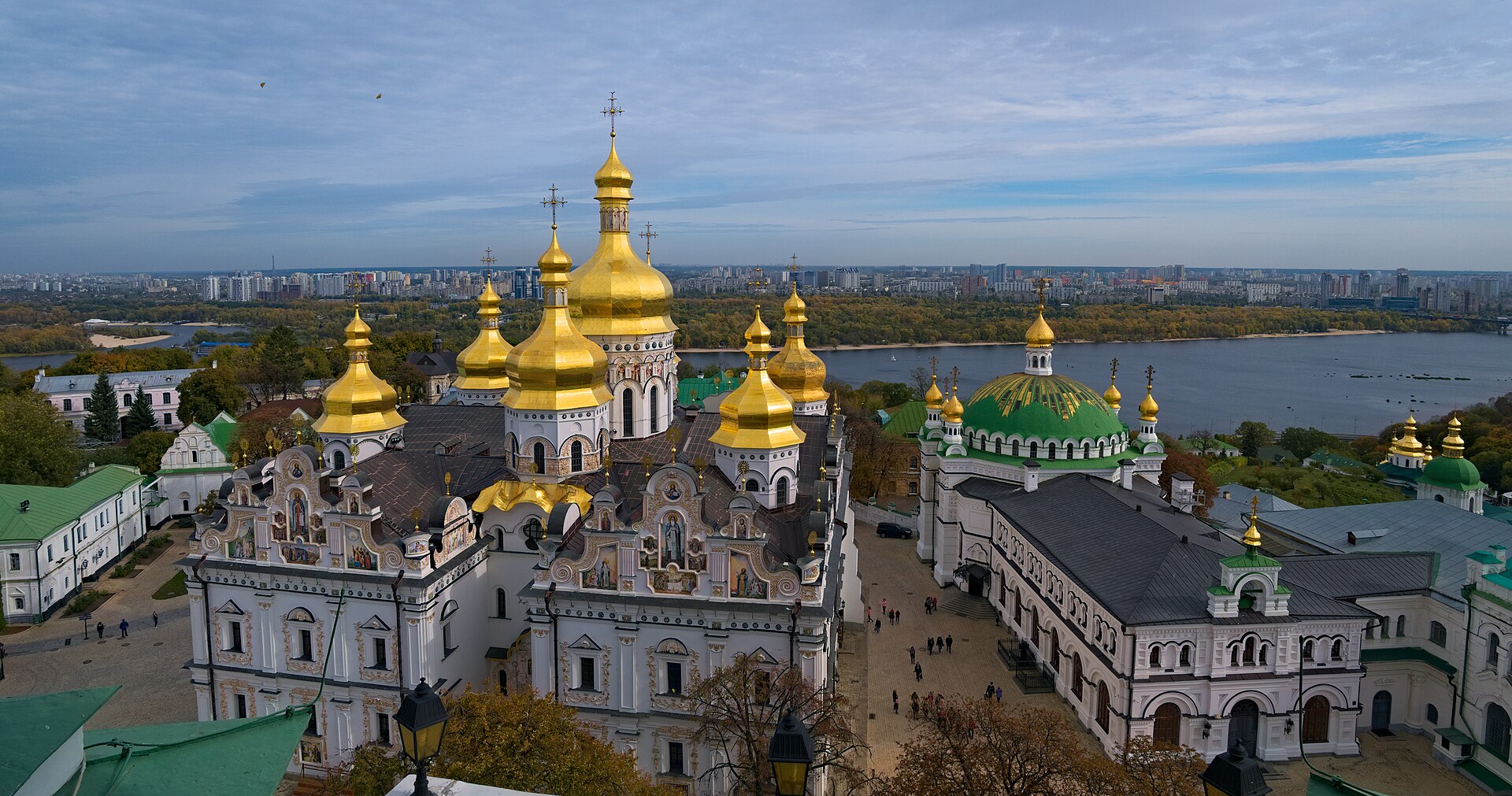
Russia Attacks Historic Monastery in Kyiv; Five Dead

On June 14, 2024, Russian missiles struck a famous monastery in Kyiv, Ukraine's capital. The Pechersk Lavra complex caught fire, and at least five people were killed, including rescue workers trying to help. At least 20 others were hurt, according to NPR and Reuters.
Why the death of rescue workers matters: Ukrainian first responders know that Russia sometimes launches follow-up attacks timed to hit them when they arrive at a damaged site. That rescue workers died alongside other people shows how intense the initial bombardment was, and how much danger these teams face every time they respond.
The Pechersk Lavra sits on a hill overlooking Kyiv's river in the old part of the city. It was founded over 900 years ago and is one of the most important religious sites in Eastern Orthodox Christianity. It is also on UNESCO's list of World Heritage sites — places the world considers precious and worth protecting. The main cathedral there caught fire in the attack. That same cathedral was destroyed once before, in 1941 during World War II, and was rebuilt afterward. The fact that it has been destroyed and rebuilt before makes this new damage feel even more significant to people in Ukraine.
Russia and Ukraine have been fighting over control of this monastery since Russia's full invasion began in 2022. Ukraine's government wanted to remove a church organization tied to Russia from parts of the complex. Russia said this was unfair treatment. Now this bombing attack lands on a place where the two countries were already in conflict — mixing military warfare with a battle over culture and identity.
There are international rules that say cultural sites like this should be protected during wars. A treaty from 1954 says that UNESCO World Heritage properties should not be attacked. But these rules are hard to enforce. Russia can block any action at the United Nations because it has special veto power there. Keeping records of what happened at the monastery might help if there are legal cases later, but getting real accountability is very difficult.
The full picture of the attack is still becoming clear. Russia typically sends multiple types of missiles in waves — ballistic missiles, cruise missiles, and drones — all at the same time. The goal is to overwhelm Ukraine's air defense systems so they cannot stop all the attacks. When these waves of missiles hit homes and historic areas scattered throughout the city, it makes rescue and damage counting much harder.
In the coming days, countries around the world will be watching to see what happens next. Past attacks on World Heritage sites have brought statements from France and the European Union and UN meetings, but they have not changed how Russia or Ukraine operates militarily. Damage to historic and cultural places has become common in this war. Whether this particular monastery attack will lead to new diplomatic or legal action is still unclear.