DJI's New Robot Vacuums Can Climb Steps and Keep Your Data Private

DJI launched its ROMO 2 robot vacuum lineup at IFA 2026 in Berlin, with two models: the ROMO P2 starting at €1,299 and the ROMO A2 starting at €1,199. The P2 comes with a translucent base station; the A2 comes with a white one. Both are available for order directly from DJI and select European retail partners beginning in September. Engadget
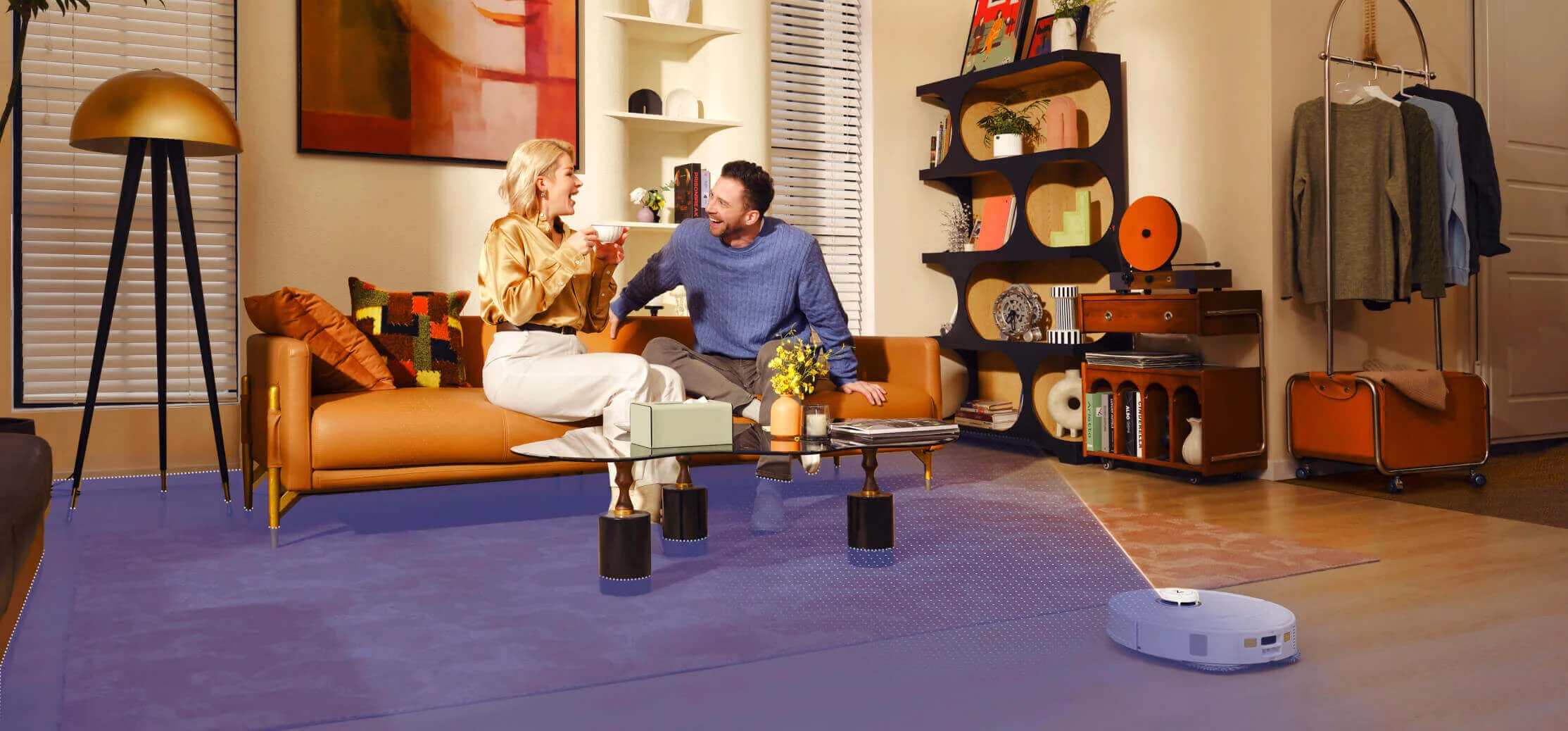
DJI is best known for making drones, and the company has adapted the same technology drones use to detect and avoid obstacles into both ROMO 2 models. DJI claims the system can spot objects on the floor down to the millimeter. The company says it is sensitive enough to steer around a sleeping cat or a dropped pacifier without sucking them in. A built-in light illuminates the floor to reveal dirt and obstacles in the dark. Engadget
The mopping arm uses LiDAR — a laser-based system that measures distance by bouncing light off surfaces — to guide itself, and can swing 123 degrees to reach under sofas and cabinets where a flat robot cannot fit. Suction reaches up to 36,000 Pa, a measure of how powerfully the vacuum pulls air; this is higher than most competing premium robot vacuums. The most unusual feature is a set of robot legs that let the vacuum step over ledges as tall as 8.5cm (3.3 inches), solving a common problem where robot vacuums get stuck at the raised strips between rooms or floor types. Engadget
The privacy features are where the ROMO 2 stands out most. Starting in Q4 2026, the vacuums will support a Local Data Mode that disconnects the DJI Home app from the internet, stopping any photos or videos captured by the vacuum from reaching external servers. Users can also turn off the cameras and microphone entirely, and DJI says any personal data shared with the company can be deleted. Engadget
This kind of privacy mode is not new for DJI. The feature first appeared on the company's drones, letting pilots fly without sending flight data, images, or other sensor readings to DJI's cloud servers. Bringing it to a robot vacuum — a device that maps the inside of your home in detail — applies the same idea to a very different type of product. Engadget
The broader context here is that robot vacuums have quietly become some of the most data-rich devices in the average home. A modern unit carries cameras, distance sensors, and a microphone, and it builds and stores a floor plan of your house. That is a lot of personal information, and the industry's handling of it has not always inspired confidence. DJI's decision to offer Local Data Mode, along with the ability to physically disable the camera and microphone, is a meaningful response to a concern that has hung over the category.
How well these controls actually work in practice remains to be tested. A privacy mode that cuts the app's internet connection may also disable cloud-dependent features, and the line between what the vacuum stores on the device versus what it sends out when the mode is off will matter to anyone evaluating the promise. The suction figure, the step-climbing height, and the mop's range are all stated by DJI and have not yet been independently verified against real homes.
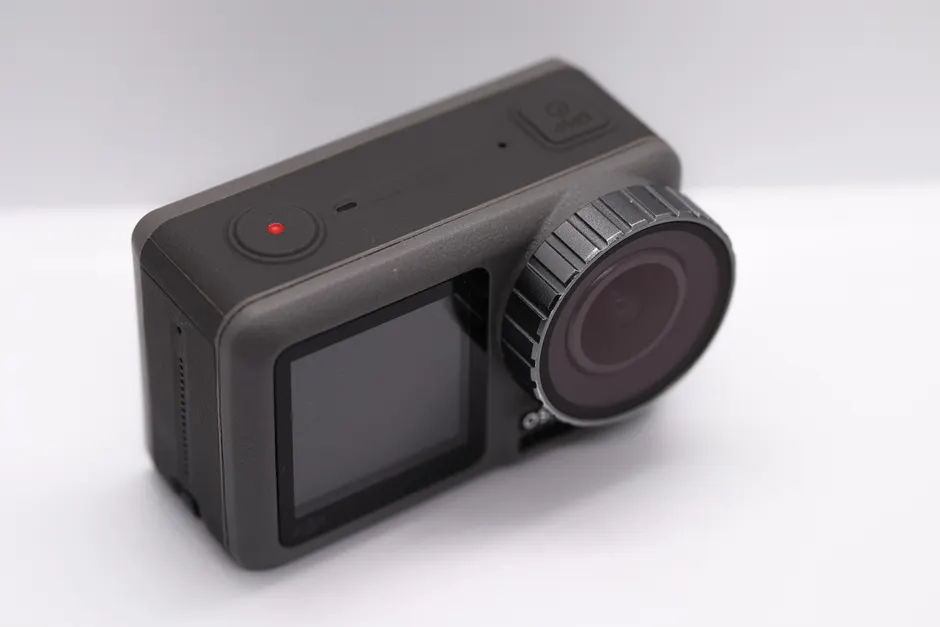
DJI had signaled the IFA 2026 lineup in advance. A press release on DJI's official Media Center, dated April 3, 2026, announced that the company would debut the Osmo 360 II camera, the ROMO 2 robot vacuums, and a Power Ecosystem in Berlin. The ROMO 2 launch is one component of that broader presentation. DJI Media Center
If the leg mechanism works as described, it addresses one of the most common frustrations with robot vacuums: getting stuck at door thresholds and between rooms. And if the privacy controls are implemented cleanly, they give users a level of control over their home-mapping data that has been missing from this category. Whether the ROMO 2 delivers on both fronts will depend on how it performs in real homes rather than on paper, but the priorities DJI has chosen — physical adaptability and user control over data — are the right ones to test.