DJI's New Robot Vacuum Can Climb Stairs and Lock Down Your Privacy

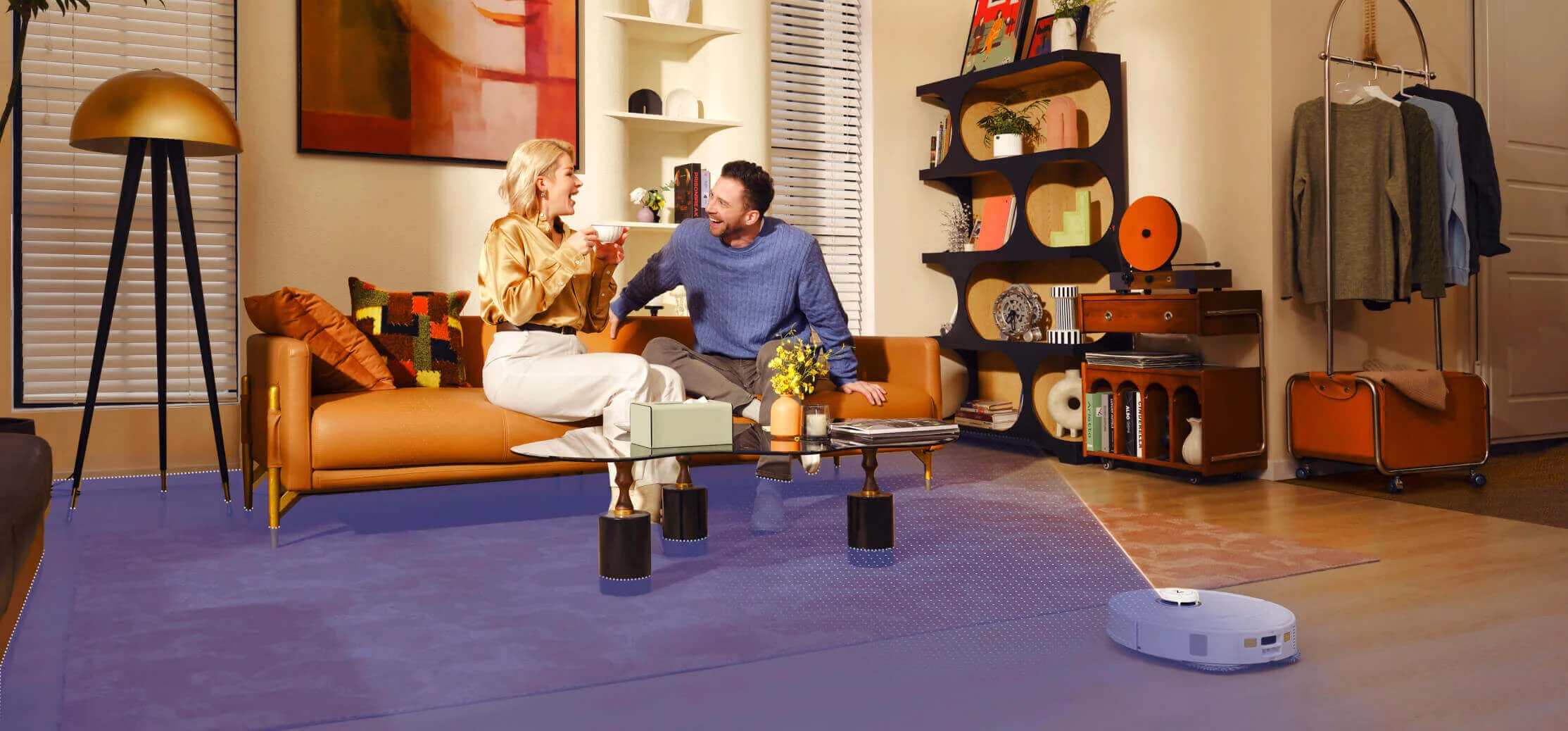
DJI announced its second-generation robot vacuum, the Romo 2 series, at a technology trade show in Berlin on September 3. The series includes two models: the transparent Romo 2 P2 and the opaque Romo 2 A2 (The Verge).
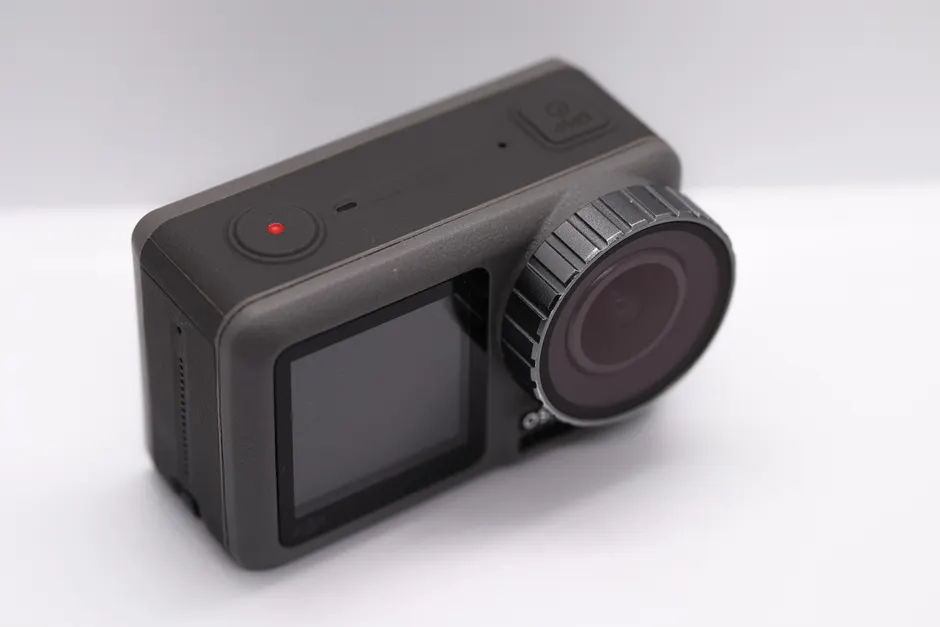
DJI markets the Romo 2 as an "AI-Powered Extended-Coverage Robot Vacuum" with the tagline "Thinks Deeper. Cleans Smarter." The vacuum debuted alongside a new DJI action camera and a power ecosystem. Pricing and a release date were not announced at the time.
The Romo 2 introduces two physical legs that let it climb over single steps up to about 4cm (1.5 inches) high, or two steps at roughly double that height. The vacuum produces very strong suction on carpet. New brush and mop arms extend its cleaning reach toward sideboards and underneath furniture. DJI claims the device is 85 percent quieter than the first-generation Romo.
Navigation has been substantially upgraded. The Romo 2 can detect and avoid cables and obstacles as small as 2mm, and it can identify transparent surfaces like mirrors and glass. DJI says the vacuum learns from obstacles it has already seen and adapts to unfamiliar objects. The device supports four cleaning modes: Vacuum & Mop, Vacuum, Mop, and Vacuum Then Mop, with custom plans you can set up through the DJI app.
The most important feature for privacy is called Local Data Mode. DJI describes it as "a new industry standard for home robotics." When turned on, it disconnects the DJI Home app from the internet and stops syncing photos or camera feeds. Users can also fully switch off the camera and microphone and delete any stored data. Local Data Mode is scheduled to arrive on the Romo 2 in late 2026, with plans to bring it to the first-generation Romo as well.
The security focus is not accidental. The first-generation Romo had serious security flaws that let attackers reach thousands of devices around the world. They could see home floorplans, camera feeds, and microphone audio, and take full remote control of the vacuum. For a device that maps the inside of your home and has both a camera and microphone, those flaws were a serious problem. Local Data Mode directly addresses this by letting users cut the device off from the internet entirely and turn off its sensors.
A US launch of the Romo 2 is considered unlikely. US restrictions and an FCC ban on foreign-made robot vacuums prevent DJI from launching recent products in the country.
The wider picture is that robot vacuums have gotten much smarter over the past several years, moving from simple random cleaning paths to devices that map rooms and avoid obstacles. DJI's addition of climbing legs and the ability to learn from obstacles pushes beyond what current models can do.
The privacy approach is where DJI may stand out the most. Robot vacuum makers have faced repeated criticism over how they handle camera footage from inside people's homes. A physical switch to turn off sensors, combined with a mode that keeps all data on the device rather than sending it to the cloud, would give buyers a level of control that has been missing from this category.
It is worth noting that DJI's description of Local Data Mode as "a new industry standard" is a marketing claim. No other company has agreed to this standard. The feature itself is real and welcome, but the wording positions DJI as setting a rule that competitors have not signed onto.
For readers outside the US, the Romo 2 series will be available in markets where DJI sells home products. The company did not announce pricing, so it is unclear how the two models compare on cost to competitors like Roborock and Ecovacs, which also sell premium robot vacuums.