A Plane Flew Across the U.S. Without Anyone Touching the Controls

Joby Aviation said on September 18, 2026 it had completed the first self-flying trip across the United States. A converted Cessna Caravan flew 3,199 miles with the safety pilot on board never touching the controls, according to the company account reported by the Wall Street Journal.
The trip covered more than 3,100 miles from coast to coast. The plane moved on the ground, took off, navigated and landed by itself. It was watched from the ground from two places, Joby's headquarters in California and Shaw Air Force Base in South Carolina. A pilot rode along to follow the rules, but Joby said the plane did the whole operation on its own, as reported by TechCrunch.
A retrofit kit, not an air taxi
This was not Joby's electric air taxi. It was a normal Cessna Caravan, a common small propeller plane, fitted with Joby's self-flying system. Think of it as a self-driving kit that can be added to many kinds of normal planes people already use. The same system flew over the San Francisco Bay Area on September 7, 2026. Joby said the plane will fly back to the West Coast over the next two weeks, with stops including Louisville, Kentucky and Salt Lake City.
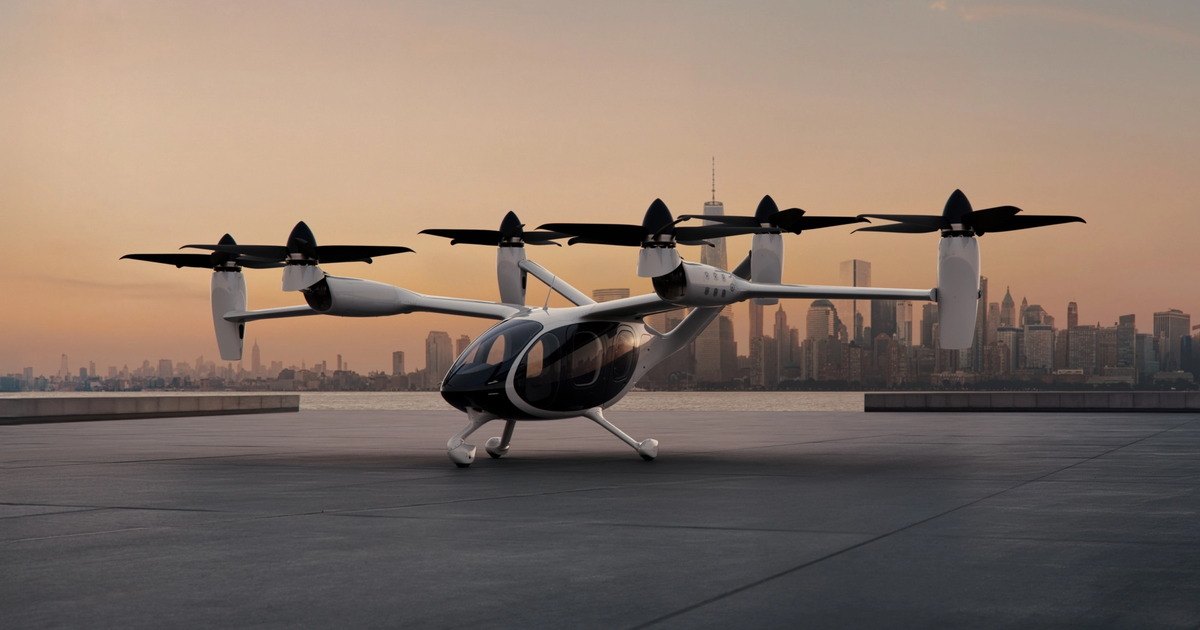
Joby announced the tour in a September 10, 2026 press release titled 'Joby Autonomous Aircraft Begins Cross-Country Tour'. On the same date it published a second release titled 'Joby Launches eIPP Flights in Texas'. Its all-electric plane, the separate piloted aircraft at the center of its air-taxi program, is built to carry a pilot and four passengers at speeds of up to 200 mph.
The defense connection
The self-flying work has military backing. It has been supported by a $17 million Air Force contract with AFWERX. The company earlier logged more than 7,000 self-flying miles in a U.S. defense exercise using Superpilot technology. It has signed an agreement with L3Harris Technologies to explore a gas-turbine hybrid vertical take-off and landing aircraft that can fly itself for defense uses. Joby also bought Resonant Sciences for $500 million in cash and stock.
The broader context here is that Joby is doing two different jobs at once. Approving a new electric plane that takes off straight up for passenger trips with a pilot is one job. Adding self-flying equipment to existing planes watched from the ground is another job, with different rules, buyers and risks.
In my view, the details of the flight matter more than the total miles. The plane did every step alone, with control passing from a team in California to a team in South Carolina. That tests the whole chain, staying connected to supervisors, fitting in with other air traffic, and handling problems across different flight regions. Using a Caravan is practical. It is a familiar plane, so the test focuses on the self-flying system.
Looking at what this means for use, the add-on approach changes how fast this can spread. Operators would not need to wait for a brand-new plane approval and new ground equipment to use supervised self-flying for cargo, moving empty planes, or military supply runs. They can add the equipment to planes they already own and service. That helps explain why the early use is military. The military already accepts supervised flights without a crew on board and already has the ground teams to watch them.
Worth flagging is what is still not proven. The safety pilot on board still takes on much of the safety and legal risk. Taking that person out, even with people watching from the ground, will need much stronger proof the plane can spot other traffic, cope with a lost signal, and keep flying safely when something fails. The return trip west, with more airports and weather, will bring more data. Over time the direction points toward less work for pilots and possibly optional pilots on simple routes, which would let today's small fleets do more.