Meta's New AI App Muse Is Off to a Fast Start
Meta's Muse has passed ChatGPT on early phone use in the United States. Appfigures estimates put Muse at 642,000 U.S. mobile daily active users, compared with 231,000 for ChatGPT at the same point after launch, according to reporting published Sept. 21 TechCrunch. That count means phones that opened the app that day.
The lead also shows in installs. Muse had 2.8 million installs worldwide in its first 12 days. Looking only at iPhones in the U.S. and Canada, Muse had 1.8 million downloads in 12 days, compared with 1.3 million for ChatGPT in the same window.
The narrower comparison is needed because the launches were different. Muse launched on iPhone and Android in the U.S. and Canada only, while ChatGPT launched worldwide on iPhone only. The Sept. 21 estimates make it fair by looking only at iPhones in the U.S. and Canada. On iPhone alone, Muse also led with 359,000 daily active users, above ChatGPT's figure.
Muse also climbed the charts. It went from No. 2 overall on the U.S. App Store right after launch to No. 1, above ChatGPT.
Installs, averages and distribution
Earlier numbers had shown a closer race on daily speed. Reporting published Sept. 20 had ChatGPT averaging 87,000 downloads per day over its first eight days, compared with Muse averaging about 73,000 U.S. downloads per day over its first 10 days Yahoo. A Sept. 10 estimate had ChatGPT averaging 83,300 daily downloads around launch, with Muse at more than 83,000 downloads on iPhones in the United States shortly after launch.
The 12-day totals tell more of the story. Muse reached No. 1 even with lower early daily averages in the U.S. The totals cover more days and include both iPhone and Android phones.
On distribution, Appfigures found over 95% of Muse users are also Facebook users and 63% are Instagram users. It is like opening a new shop inside a busy store where customers already shop. Most users already had Facebook, already got its alerts, and already moved between its apps.
What Muse is built to do
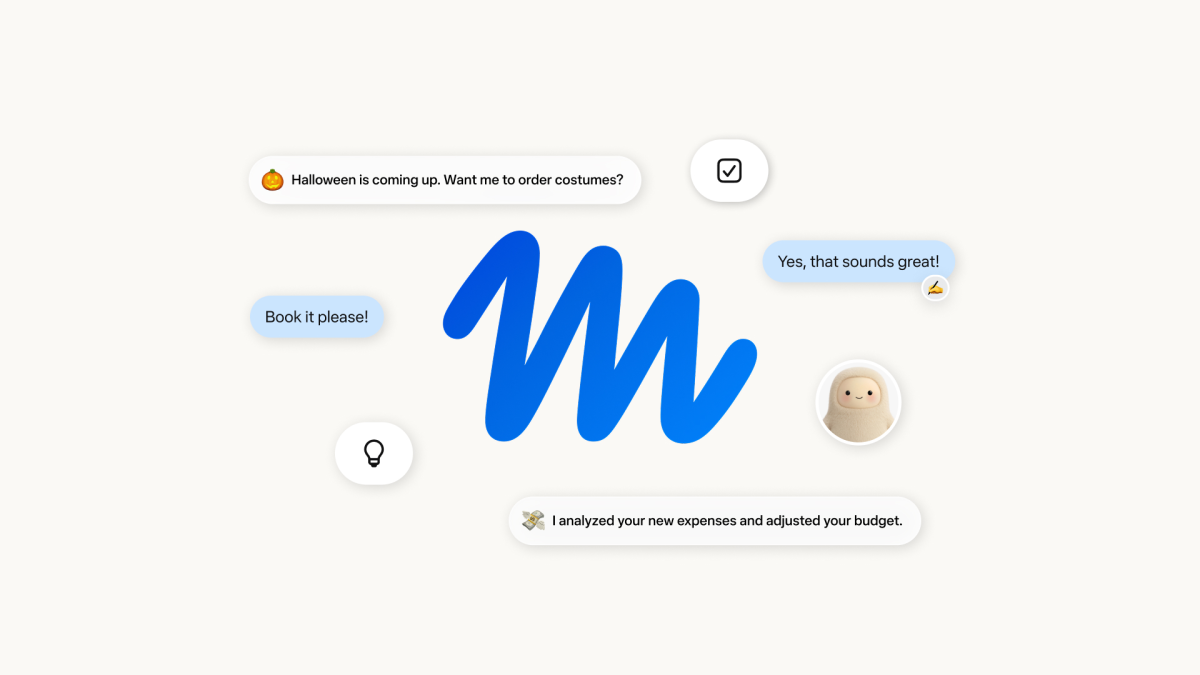
Meta describes Muse as its personal AI agent Meta. The company says Muse can search the web, link to a person's apps, finish jobs with several steps, and keep working in the background while the person guides and checks it.
The engine underneath is Muse Spark. Meta describes Muse Spark 1.1 as a multimodal reasoning model built for agentic tasks Meta, which means it can handle text and pictures and plan steps to reach a goal. The base design supports tool-use, or using outside apps, visual chain of thought, or thinking through picture steps, and multi-agent orchestration, or running a small team of helpers.
Two add-ons already use that engine. Muse Code is a coding helper powered by Muse Spark. Muse Image and Muse Video are the first picture and video makers from Meta Superintelligence Labs.
For builders, the shift is clear. Instead of answering one question at a time, the system stays on a job. It remembers details, checks permissions, and tries again if needed across Meta's own and outside apps.
The broader context here is that downloads and daily use are different, and helpers like this make the gap bigger. A chatbot does well with short visits and many returns. A helper that works in the background may be opened less while still doing a lot of computer work and storage. So the 642,000 figure is best seen as a starting point for demand, not the limit.
In my view, what to watch next is whether people stay after the first Facebook-led wave. Having many Facebook and Instagram users makes it cheaper to find users. It does not mean they will trust it again and again with hard jobs. That depends on permission approvals, reliable app links, speed on multi-step jobs, and handling changes well when a website or app connection breaks. Early rank is cheap. Continued trust is hard to earn.
For builders, the broader context here is that Muse follows a pattern many work teams already use. The phone app is simple. The work happens over time elsewhere. The person checks the work. If Meta can finish tasks well without making users do more checking, it will change what people expect from a phone helper. That would matter more than beating a 2023 launch in the first 12 days. It would make background helpers with work records and app links the normal way to do everyday phone tasks.