Journalist Killed in Gaza: What Happened and Why It Matters
Journalist Killed in Gaza: What Happened and Why It Matters
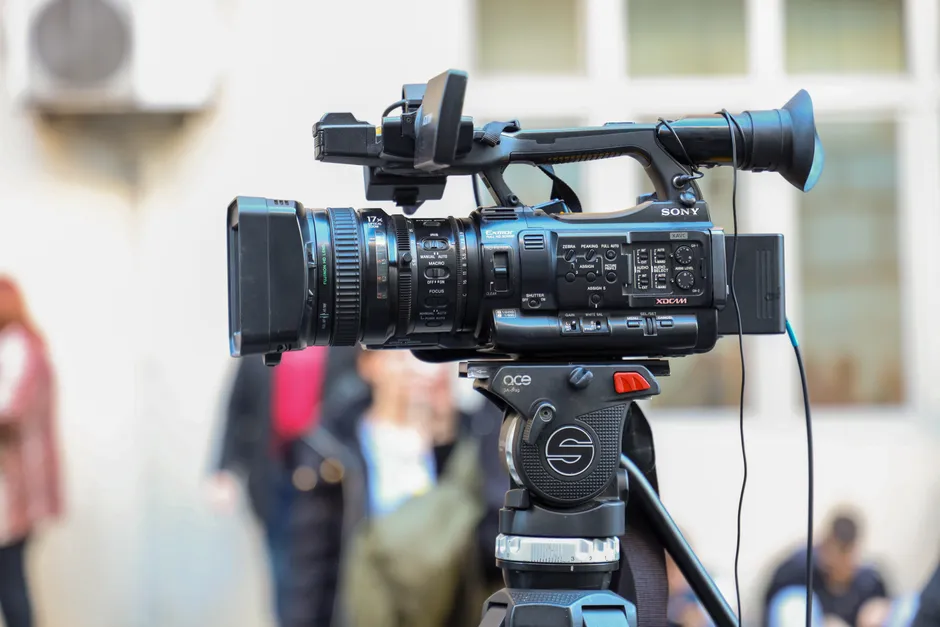
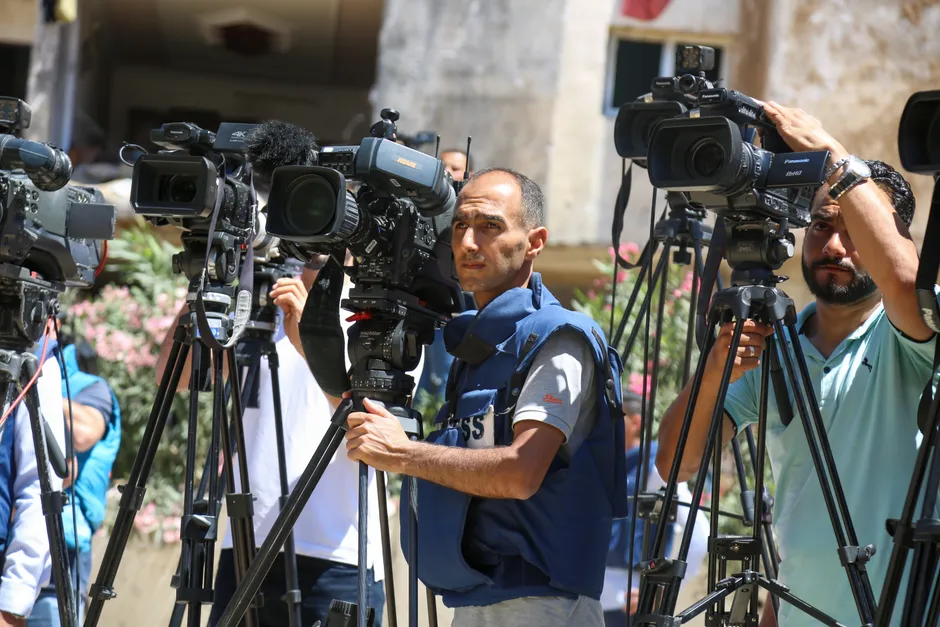
Ahmed Wishah, a cameraman for Al Jazeera, was killed in an Israeli airstrike on a house in the Bureij refugee camp in central Gaza, according to The Guardian. Al Jazeera reported that two other people died in the same strike. The network called the attack targeted—meaning it appeared to be deliberately aimed at that location.
After Wishah's death, Israel made accusations about who he was and what he was doing. Al Jazeera rejected these claims entirely, saying they came after the fact to justify killing a journalist who was simply doing his job, Le Monde reported. This pattern has happened before: each time Al Jazeera has lost staff in Gaza, the network has denied Israeli claims and called for an independent investigation.
A Series of Deaths
Wishah's death is not an isolated incident. Several Al Jazeera journalists have been killed in Israeli strikes during the Gaza conflict. Cameraman Samer Abu Daqqa died in a drone strike on Farhana School in Khan Yunis, Reuters reported. Reporter Ismail al-Ghoul and cameraman Ramy El Rify were killed on July 31, 2024. Before Wishah, correspondent Anas al-Sharif was killed in an Israeli strike that Al Jazeera described as an assassination, according to the Associated Press, dated August 12, 2025.
Other news organizations have also lost staff. Reuters cameraman Hussam al-Masri was killed near a Reuters broadcasting position on an upper floor of a Gaza hospital during an Israeli strike, Reuters reported. The total number of journalists killed in this conflict is unusually high for a conflict of this length.
The Problem of Accountability
When Israel strikes locations where journalists die, the Israeli military typically says those journalists were actually combatants or operatives. If that claim were true, it would mean the strikes were legal military action. But Al Jazeera and Reuters say that's wrong—they deny those characterizations flatly. No independent international investigation has yet determined what actually happened in any of these cases.
This accountability gap matters because without independent fact-finding, we cannot know the truth. The International Criminal Court is investigating the situation in Palestine, but it faces major obstacles. Investigators cannot easily get to Gaza to examine the sites where strikes occurred and collect evidence. That makes it difficult to prove what happened and who did it. For now, the two sides tell opposite stories, and neither has been independently verified.
What comes next is unclear. Press freedom organizations like the Committee to Protect Journalists will likely issue statements condemning these killings, as they have in the past. Whether those statements lead Israel to change how it operates remains an open question.
Changes in the West Bank
While attention has focused on Gaza, significant changes have been happening in the West Bank—the other territory Israel occupies. On February 8, 2026, Israel's security cabinet made new decisions about land registration in the West Bank, Arab Center DC reported. Al Jazeera separately reported that Israel approved new rules making it easier to expand settlements on Palestinian land. Palestinians say these changes, taken together, amount to taking the West Bank for Israel in practice, even if not formally.
Israel also took control of a mosque in Hebron from Palestinian authorities. The city's mayor warned that these moves violate agreements that are supposed to protect Palestinian rights.
Violence and the Bigger Picture
At the same time, Israeli settlers have attacked Palestinian communities. Settlers set fire to a mosque in a Palestinian village in the central West Bank in November 2025 and scrawled hateful messages on the walls, PBS NewsHour reported. A U.S. State Department report from 2023 documented 509 Palestinian deaths caused by Israeli security forces and settlers in the West Bank—numbers that were already climbing before the current cycle of violence intensified.
The Palestinian Authority, which governs parts of the West Bank, has issued death sentences against Palestinians accused of collaborating with Israel. The U.S. State Department has criticized both sides on human rights grounds.
What's happening in Gaza and what's happening in the West Bank are two pieces of the same conflict, running at the same time. In Gaza, the focus is on who is being killed and whether journalists can report freely. In the West Bank, the focus is on land—what gets seized, who controls it, and what that means for Palestinians' future. Neither set of events seems likely to slow down soon.