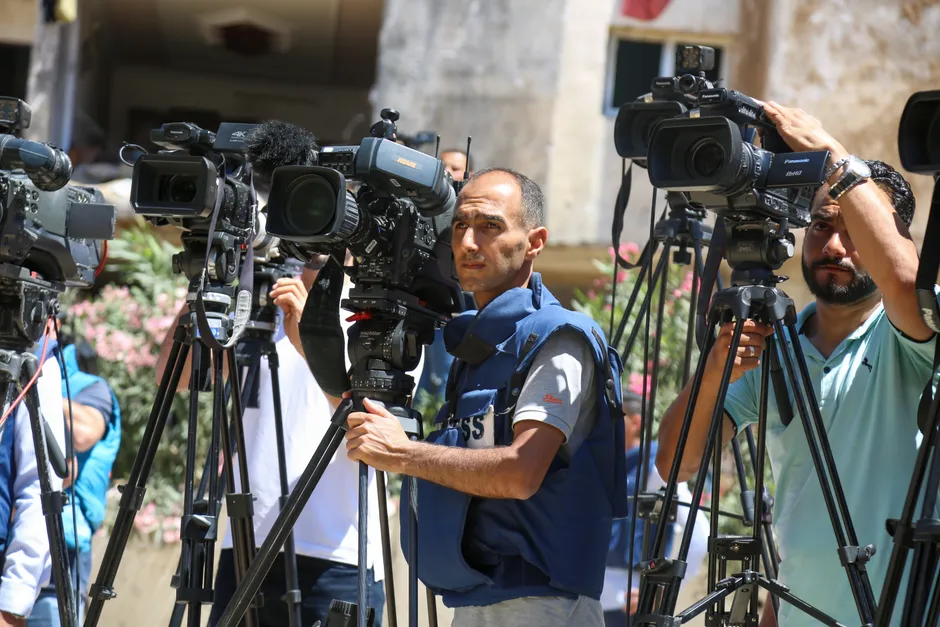
Al Jazeera Cameraman Killed in Gaza Strike; Twelfth Journalist Death Raises Questions
What Happened
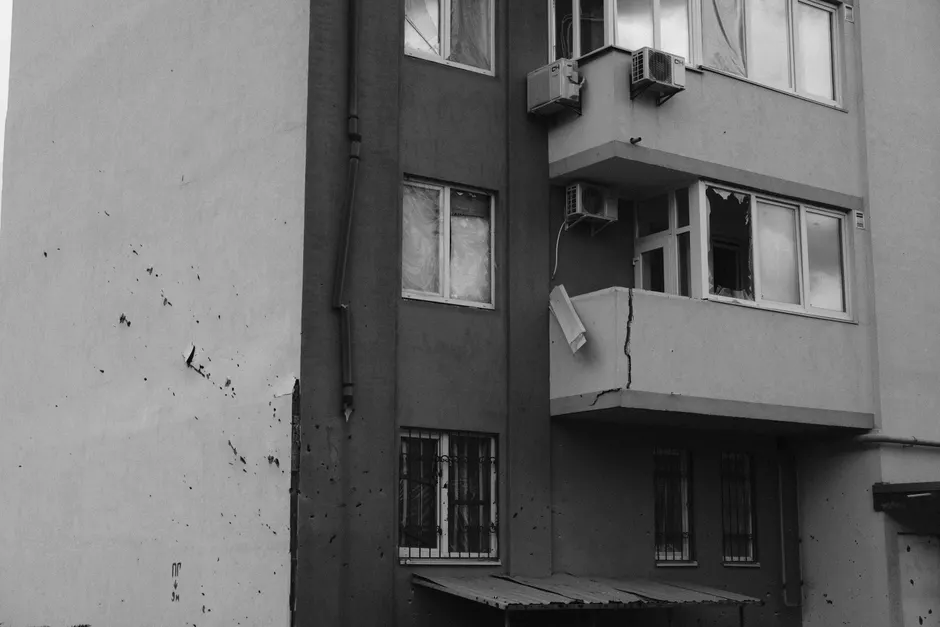
Ahmed Wishah, a cameraman for the news network Al Jazeera, was killed on June 20, 2026, in an Israeli airstrike that hit a house in the Bureij refugee camp in central Gaza. AP News reported that at least three people died in the strike. Wishah's funeral took place the next day at Al-Aqsa Martyrs Hospital in Deir al-Balah.
With Wishah's death, twelve journalists or media workers from Al Jazeera have now been killed by Israeli forces since the war began in October 2023.
A Rare and Painful Pattern
What makes this death unusual is that Wishah's brother, Mohammed Wishah, was also a journalist for Al Jazeera. Mohammed was killed in a separate Israeli strike about two months before Ahmed. Two brothers from the same family, both working for the same news outlet, killed within weeks of each other — this has not happened before in this conflict.
Colleagues remembered Ahmed as "kind" and "principled," according to Al Jazeera. The loss of both brothers has deeply affected the network and Gaza's journalism community.
Disputed Claims and the Bigger Picture
After Wishah's death, Israeli authorities made accusations about him — characterizing him in a way that suggested he was involved in fighting or connected to Hamas. Al Jazeera rejected these claims. Le Monde reported the network's denial, though the exact details of Israel's charges were unclear from available reports.
This dynamic has played out before. When Israeli forces kill journalists, Israeli officials sometimes describe them as combatants or say they were working with Hamas. Al Jazeera and international press-freedom organizations like Reporters Without Borders have consistently rejected these characterizations. The Guardian independently confirmed the strike and its location.
Why This Matters
The death toll among journalists in Gaza since October 2023 is now higher than in any other recent conflict. The Committee to Protect Journalists and Reporters Without Borders have repeatedly condemned these deaths, but they lack the power to hold anyone accountable through international legal systems.
When a journalist dies in an airstrike, a crucial question arises: did the attacker deliberately target them, or was it unintended harm? International law permits military strikes on legitimate targets but forbids deliberately targeting civilians — and journalists are considered civilians. The high number of journalist deaths in Gaza has made press-freedom organizations and international legal experts pay close attention to each strike on a location where journalists work.
Wishah's case will now become part of the record. Advocacy groups and potential future investigators will examine the evidence: his job records, press credentials, what colleagues say about him, and what Israeli officials claim about him. The facts of what happened will matter for any legal assessment down the road.
In situations like this, how people report what happened — and who gets to define what a person was doing when they died — carries real weight. The dispute between Al Jazeera and Israeli officials over Wishah's role is not just a disagreement about facts; it shapes how international observers and future legal processes evaluate whether the rules of war were followed.