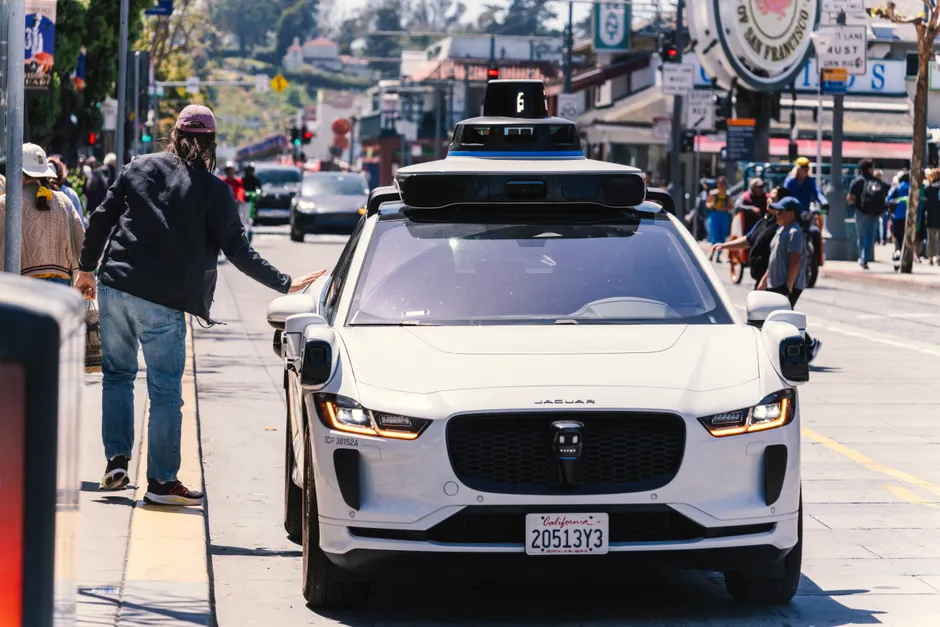
Waymo's Driverless Taxis Now Give 500,000 Rides a Week

Waymo is now giving 500,000 paid rides per week in cars with no driver across 15 U.S. cities, with about 4,000 cars on the road as of September 24, 2026, reported by TechCrunch. These are normal paid trips, not tests.
In September 2024, Waymo ran in three cities: Phoenix, Los Angeles and San Francisco. It now runs in 15 cities, five times as many.
Most cars are in two states. About 80% are in California and Texas, leaving about 800 cars for the rest of the country, including Arizona and Florida.
In Texas, Waymo had 1,102 self-driving cars registered as of September 24, 2026, after a 49% increase in the prior three weeks. TechCrunch based its Texas counts on state car registrations and data from the Texas Autonomous Vehicle Fleet Tracker. Texas is one of the few states where fleet size can be checked from public records.
The Texas fleet was about 600 cars in June 2026. It was over 700 by the end of August 2026, then rose to 1,102 in September. That September rise explains much of the national growth to 4,000 cars.
Paid service in Texas started in Austin in March 2025 with Uber, so riders can order a Waymo car in the Uber app. Waymo later added Dallas, Houston and San Antonio. On July 28, 2025, Waymo said Dallas service would start in 2026, according to Reuters, a plan that lines up with the service now running in Texas.
About one in three Texas cars is now an Ojai minivan. The Ojai is a changed Zeekr RT minivan built on Zeekr's SEA-M base, with Zeekr owned by China's Geely Holding Group. It uses Waymo's sixth-generation self-driving system, the newest sensors, computers and software.
The Zeekr vans come to the U.S. without Chinese connected-car parts, the wireless parts that can send data out of the car. Waymo adds its self-driving equipment at its factory in Arizona. Waymo started inside Google and is mostly owned by Alphabet.
The fleet was smaller earlier this year. It was over 2,500 cars as of January 31, 2026, when Waymo was trying to raise about $16 billion at a value of nearly $110 billion, according to Reuters. By May 28, 2026, it had 577 self-driving cars registered in Texas, more than 13 times Tesla's Texas total then, according to Bloomberg. Tesla had 42 self-driving cars in its Texas Robotaxi service in May 2026, according to CNBC.
The broader context here is daily running of the service. Ride counts and car counts show if Waymo can keep cars charged, cleaned, fixed and ready for paying riders. The main questions are not if a car can drive itself on city streets. They are how quickly a free car reaches you, how often cars stay busy, how road problems are handled, and if each mile costs less than it earns.
In my view, three details matter more than the ride total. First is the Uber link in Austin. It lowers the cost of finding riders and shows if people will use robotaxis inside an app they already have. Second is the Arizona factory step. Adding the self-driving system in the U.S. answers questions about parts and data as fleets grow. Third is focus on two states. Keeping most cars in California and Texas makes staffing and rules simpler, like opening many stores in two states first, but how the service does there will shape what people think elsewhere.
Worth flagging is what practice brings. Half a million rides a week means the system keeps meeting road work, bad weather and different riders. That helps improve pickups, routes and help for riders, the plain systems that make a service feel dependable. My kids started to trust new tech not when it looked cool but when it worked the same way twice. Robotaxis must pass that same test, and growth in Texas shows Waymo is working on repeat results.