Wildfire Closes Major UK Road: What Happened on Tintwistle Moor

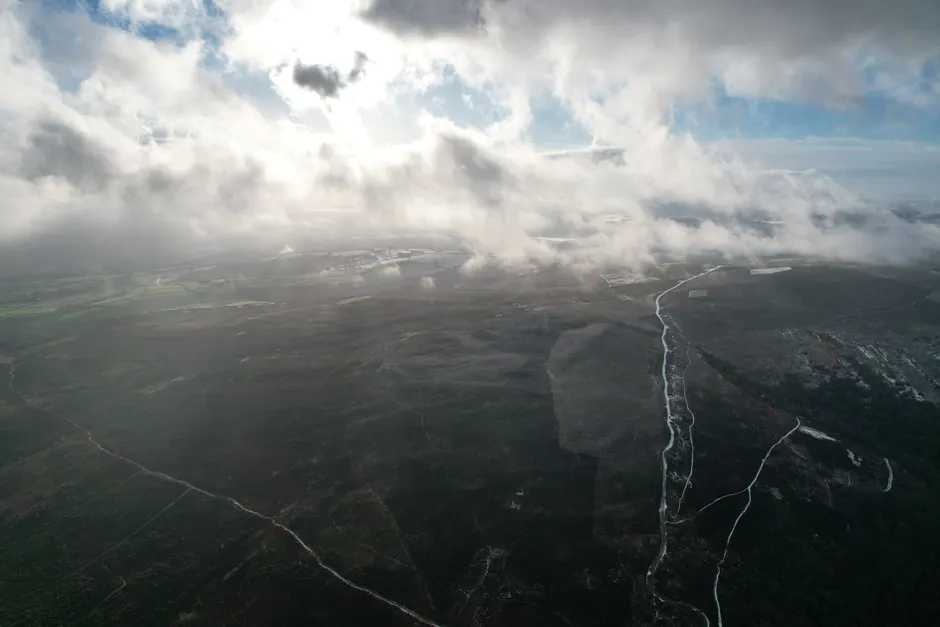
A wildfire broke out on Tintwistle Moor near Glossop late on the evening of June 24, 2026, forcing firefighters from two counties to respond and shutting down one of the Peak District's busiest roads.
Derbyshire Fire and Rescue Service received the first emergency call at 22:11 that night. By 11:00 the next morning, crews confirmed the fire had burned through about 400 square metres of moorland and woodland. That's a space roughly the size of five tennis courts — not enormous, but moorland fires can spread fast when the ground is dry and windy, since peat and heather burn easily.
Firefighters from both Derbyshire and Greater Manchester worked together at the scene, along with a water carrier truck. This kind of teamwork across county lines is normal here. Tintwistle sits in Tameside but the fire was on land right at the Derbyshire border, in steep and remote terrain with few roads. One fire service alone couldn't handle it.
The impact on traffic was serious. The A628 Woodhead Pass closed in both directions between two major junctions. This road is the main route for heavy lorries moving between Manchester and South Yorkshire. The closure forced trucks onto slower alternative routes, adding hours to journeys.
The 400 square metre figure from the morning update was a snapshot, not the final count. Moorland fires are tricky at night — it's hard to see from the air, the ground is uneven, and fire can keep burning inside peat layers where you can't see it. The fire may have spread further after that 11:00 assessment, but the available reports don't confirm how much.
The timing fits a pattern. Late June is when wildfire risk peaks across the English uplands. The moors above Glossop have caught fire several times in recent years. The land here is mostly degraded bog and managed grouse moorland, both carrying heavy fuel loads when dry. Groups like the Moors for the Future Partnership are working to restore moss-covered peat in this area, which burns less easily when wet — but that's a long-term project measured in decades, and much of the moor remains vulnerable.
Moorland fires demand a different approach than house fires. Water is the main constraint — there are no fire hydrants on a moor. Access tracks are narrow, so fire engines can't position themselves everywhere. And crews risk getting trapped if the fire shifts direction unexpectedly. That's why a dedicated water carrier, shuttling back and forth to water sources, is standard practice for fires at altitude.
No one was hurt and no buildings were damaged, according to the sources available.
The broader context here is important. As summers grow hotter and drier in the UK, these incidents will likely become more common. The fire exposed a real tension: the landscape that drew people to the Peak District — open moorland — is the same landscape that now carries high fire risk. Restoring wetter, more resilient peat moorland takes generations. Meanwhile, emergency services will keep adapting their tactics and resources to meet a challenge that isn't going away.