Russia Keeps Testing NATO's Borders — Here's Why It Matters

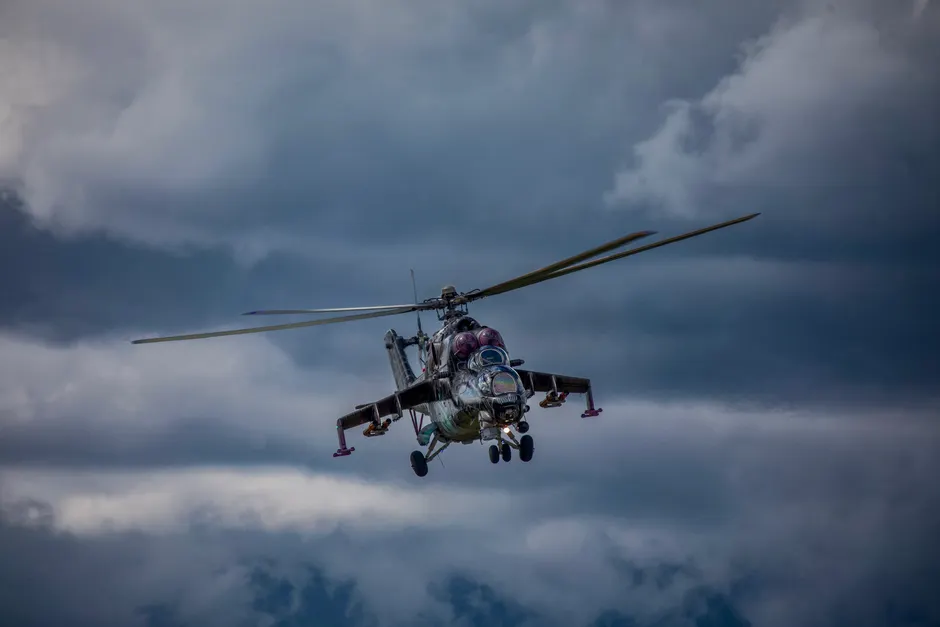
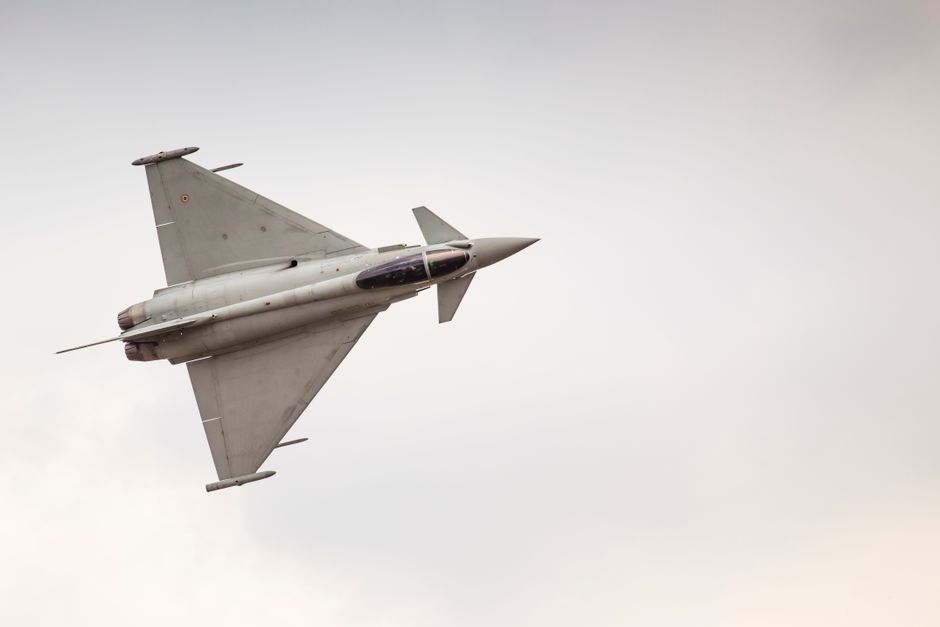
Russian military planes approached NATO airspace more than 300 times in 2023. That is roughly six times per week. When this happens, NATO countries scramble fighter jets to intercept them and check what is going on. Most of these incidents happen near the Baltic states — Estonia, Latvia, and Lithuania — and along Poland's border with Russia.
These are not accidents. Russia is deliberately testing NATO's defenses. It is not quite crossing the line into actual warfare, but it is far from normal peacetime behavior either. Research from the Belfer Center calls this "gray zone" activity — actions that sit between peace and war. The strategy is simple: Russia imposes costs and shows strength without triggering NATO's most serious defense pact, Article 5, which would mean all NATO members have to fight back together.
The Baltic states are in a tough spot. They border Russia directly, and there is a narrow strip of land called the Suwalki Gap — about 100 kilometers long — that separates the Baltic states from the rest of NATO. If Russia could cut that corridor, the Baltics would be isolated. Every time a Russian plane approaches, it is like Russia testing whether NATO can react quickly enough to defend that crucial link.
Talking Across a Broken Phone Line
NATO has officially told Russia to stop these provocations and reduce tensions. But everyone knows that is unlikely to happen soon. The main communication channel between NATO and Russia — the NATO-Russia Council — has been shut down since Russia invaded Ukraine in 2022.
Without that direct line between military leaders, accidents become more likely. When fighter jets are scrambling multiple times per week, mistakes can escalate into something dangerous fast.
What This All Means
Russia has two goals here. First, it pressures the smaller Baltic states directly. Second, it tries to divide NATO by forcing member countries to choose between defending the Baltics and worrying about costs or escalation. That is why Russia keeps up the pressure even when it does not gain any new territory.
NATO's answer has been to station more troops near Russia's border. Since 2017, NATO has kept battle groups in the Baltics, and it expanded these after the 2022 invasion. But Russia has not backed down — if anything, it is probing more. Now, NATO's air patrols are becoming less about reassuring allies and more about preparing for actual combat.
This matters. If Russian approaches keep happening or increase, NATO will shift from a peacetime presence — basically showing up to say we are here for you — to an active air defense mission. That requires different equipment, different tactics, and puts pressure on the countries sending planes and pilots.
Russia's pressure campaign works because it is ambiguous — hard to call it outright warfare. But it cannot solve Russia's real problem: deciding where NATO's borders will be. For the Baltic states and Poland, the numbers from 2023 are not just statistics. They are a warning.