Europe's Deadly Heat: What's Happening and Why It Matters

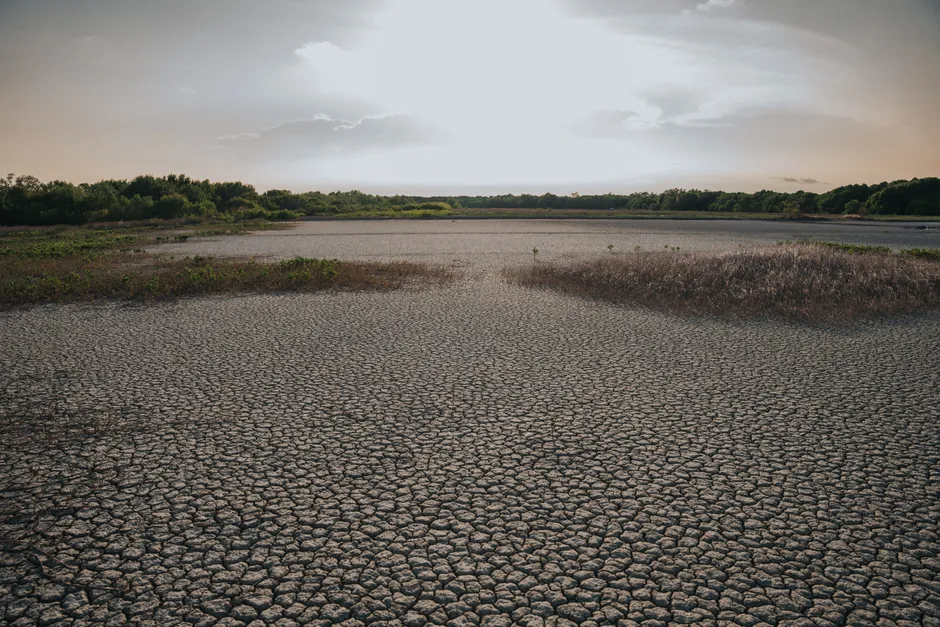
A dangerous heatwave swept across Europe starting in late May 2026, killing at least 18 people in France and breaking temperature records in countries from Ireland to Italy. By late June, the heat was still intensifying.
The Human Cost
France has been hit hardest. By 23 June, at least 18 people had died from the heat, including two young children — ages four and two — who were found dead in a car in south-eastern France, according to The Guardian. When it's extremely hot outside, a parked car can become fatally hot inside within an hour — a danger many people don't realize until it's too late.
The real death toll is likely much higher. When heat emergencies end, doctors go back and review medical records to see how many deaths were actually caused by heat. This happened after the 2003 European heatwave, when the official count was revised sharply upward weeks later.
Record Temperatures Across Europe
On 22 June, Britain's weather service, the Met Office, issued its highest weather alert for parts of England and Wales. The forecast warned that June temperature records could be broken. The previous UK June record was 35.6°C (96°F). This highest alert level means authorities expect widespread danger to health, power supplies, and transportation.
Temperature records fell right across Europe. Belgium, Germany, Ireland, Italy, the Netherlands, Spain, and other countries all saw new highs, according to Wikipedia's record of the event. Poland issued heat and wildfire alerts nationwide, TVP World reported on 24 June.
What makes this unusual is that records are breaking everywhere at once. In the past, extreme heat typically stayed in southern Europe or central Europe. When both Ireland in the north and Italy in the south break records in the same week, it means a massive area of hot air is sitting over the whole continent.
Wildfires
On 26 June, a wildfire started on moorland near Glossop in northern England, burning more than 500 square metres and forcing roads to close. Fire crews from two counties responded with help from an aircraft carrying water, the BBC reported. Firefighters were still fighting the fire on 26 June, Yahoo News confirmed.
The moorland where the fire started is made mostly of dried peat and tough plant material that burns easily and is very hard to put out completely once burning. A similar fire in the same area in 2018 burned for weeks. A large fire in this region affects the air quality across Greater Manchester, a city of nearly 3 million people.
Real-World Disruption
The heat has disrupted everyday life. On 26 June, police in Paris told organisers of the city's Pride march — planned for 27 June — to move the event to a different date or the police would ban it because of heat dangers. The organisers agreed and moved it to September 2026, Reuters reported. This shows a real conflict between public safety and the right to gather peacefully.
What Happens Now
The heatwave was still going strong on 26 June. The next few days matter a lot. Heat deaths and fires get worse when extreme temperatures last three, four, or more days in a row, because people's bodies can't cool down at night anymore. The wildfire still burning and the high-alert warnings suggest the worst might not be over yet.