Two Major Earthquakes Hit Venezuela Within Seconds—Here's What Happened
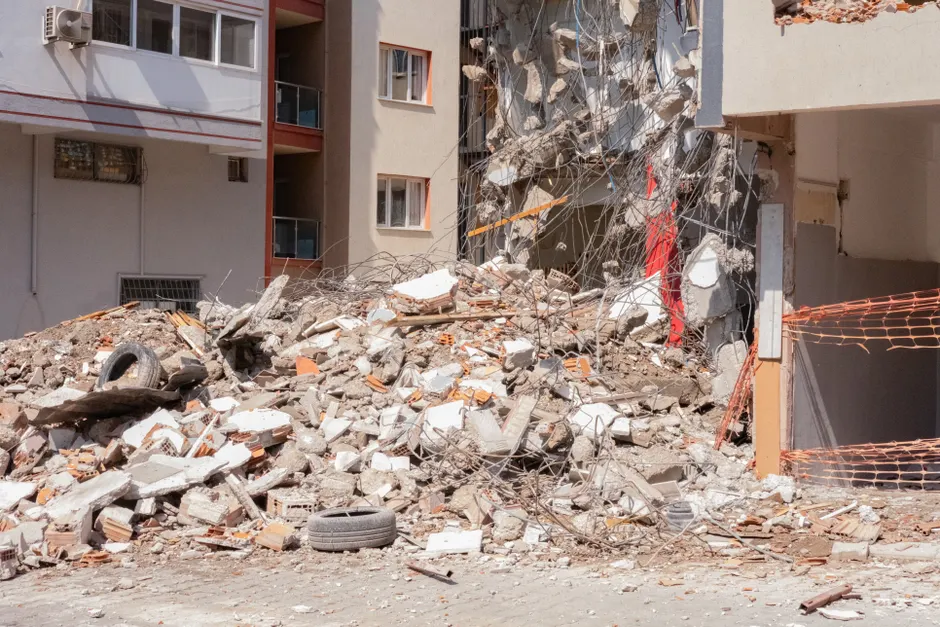
On June 24, 2026, two powerful earthquakes struck northwestern Venezuela in rapid succession, both centered near the city of San Felipe in Yaracuy state, about 100 miles west of the capital, Caracas. The first earthquake measured 7.2 on the magnitude scale at 6:04 p.m. local time. Less than a minute later, a second, stronger earthquake hit the same area, measuring 7.5, according to Reuters.
This back-to-back timing created a compounding problem. The first quake weakened buildings across the region. Before structures could settle or residents escape, the larger second quake arrived and collapsed what the first had already damaged. A single earthquake of this size would have been devastating. Two in quick succession multiplied the destruction.
Why the Damage Was So Severe
Venezuela's buildings were not well-equipped to handle such massive seismic stress. Over decades of economic crisis and shrinking government budgets, building inspections have fallen apart and maintenance has been neglected, AP News reports. Older structures throughout Venezuelan cities lack the engineering standards that would help them survive major earthquakes. Caracas, home to several million people, was hit hardest.
The type of earthquake also matters. These were strike-slip earthquakes—meaning two sections of the Earth's crust slid horizontally past each other, like two pieces of sandpaper rubbing sideways. This kind of motion tends to shake the ground with intense force over a smaller area. San Felipe sits on fault lines where the South American plate and the Caribbean plate meet—a zone geologists have long known is capable of producing large earthquakes like this one.
Casualty numbers were not yet confirmed from reliable sources, but the scale of collapsed buildings in and around Caracas points toward a significant death toll once full assessments are completed.
The Obstacles Ahead
Venezuela faces serious challenges in responding to this disaster. The country's hospitals and emergency services have been strained for years by economic hardship and were already operating below normal capacity. Now they must deal with a mass-casualty event under very difficult circumstances.
International help could make a real difference, but it remains uncertain whether Venezuela's government will quickly open its borders to foreign search-and-rescue teams. The political situation has historically complicated outside humanitarian access. How fast external rescue teams can arrive depends on decisions the Caracas government makes in the coming hours.
Time is critical. Rescue workers typically have about 72 hours to find survivors buried in collapsed buildings before chances of recovery drop sharply. The June 24 earthquakes put Venezuela's response system up against that clock immediately.


