What the $19.6 Billion Damage Estimate for Venezuela's Earthquakes Really Means

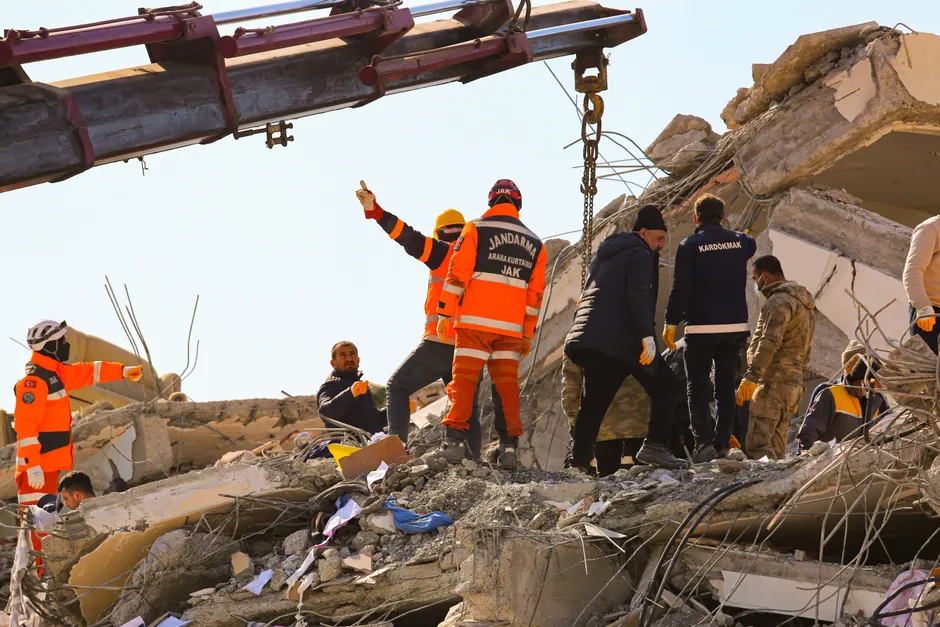
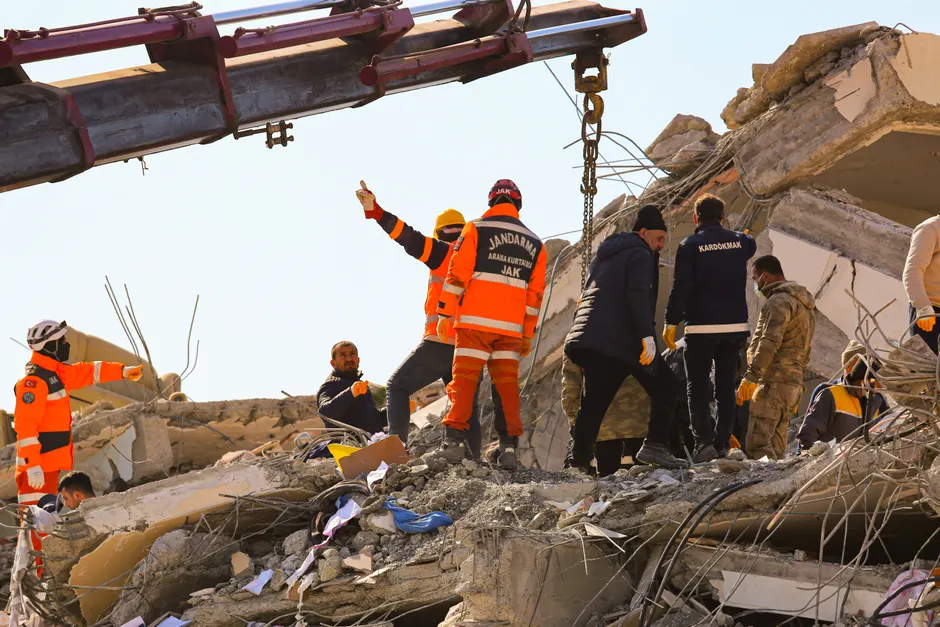
The World Bank estimates that two earthquakes that hit Venezuela on June 24, 2026 caused $19.6 billion in physical damage. The figure was announced on July 23, 2026 and reported by Al Jazeera. The two quakes, measuring magnitude 7.2 and 7.5, damaged communities across 11 provinces. La Guaira state and Distrito Capital, which includes the capital city Caracas, were hit hardest.
The breakdown of the damage shows the human cost. According to the World Bank report, 47% of the damage was to people's homes, 27% to infrastructure like roads and utilities, and 26% to other buildings such as businesses and offices. Reuters reported that the earthquakes collapsed hundreds of buildings and killed more than 1,700 people as of June 29, 2026 Reuters. Because so much of the damage hit residential buildings, the humanitarian toll was especially severe in the crowded area between La Guaira and the capital.
The World Bank carried out its assessment using a method called GRADE, which stands for Global Rapid Damage Estimation. To understand GRADE, imagine trying to count how many houses were destroyed in a huge area before anyone can walk through and check every street. Instead, GRADE combines earthquake sensor data, satellite photos, and reports from government and aid groups on the ground to build an accurate picture quickly. This approach lets experts estimate damage before full in-person surveys can be finished.
Susana Cordeiro Guerra, the World Bank's vice president for Latin America and the Caribbean, issued a statement alongside the damage estimate. The full report is available through the World Bank's documents portal and documented damage across all 11 affected provinces World Bank. The World Bank had been in contact with Venezuelan authorities since June 25, 2026, when Reuters first reported the institution was reaching out to the government as thousands were feared dead Reuters.
It took nearly a month between the earthquakes and the release of the estimate because combining many different types of data into one number is complex. GRADE pulls together seismic intensity maps with databases that catalog what buildings exist in an area, what they are made of, and what infrastructure is there. Satellite imagery is especially useful when it is hard for people to physically reach damaged areas — a relevant factor given Venezuela's political and economic challenges.
The broader context here is what this $19.6 billion number means going forward. With nearly half the damage hitting people's homes, rebuilding will depend on how quickly housing can be replaced, whether construction materials are available, and whether money can be found to pay for it. The 27% infrastructure damage means roads, water, electricity, and public services are also disrupted, which will make recovery harder across the affected provinces.
The World Bank's work with Venezuelan authorities, now formalized through this assessment, creates a framework through which international rebuilding money could eventually flow. Whether that turns into real funding will depend on negotiations among the World Bank, Venezuelan officials, and other countries willing to donate. The damage estimate provides a starting point for those talks, but it does not guarantee any money by itself.