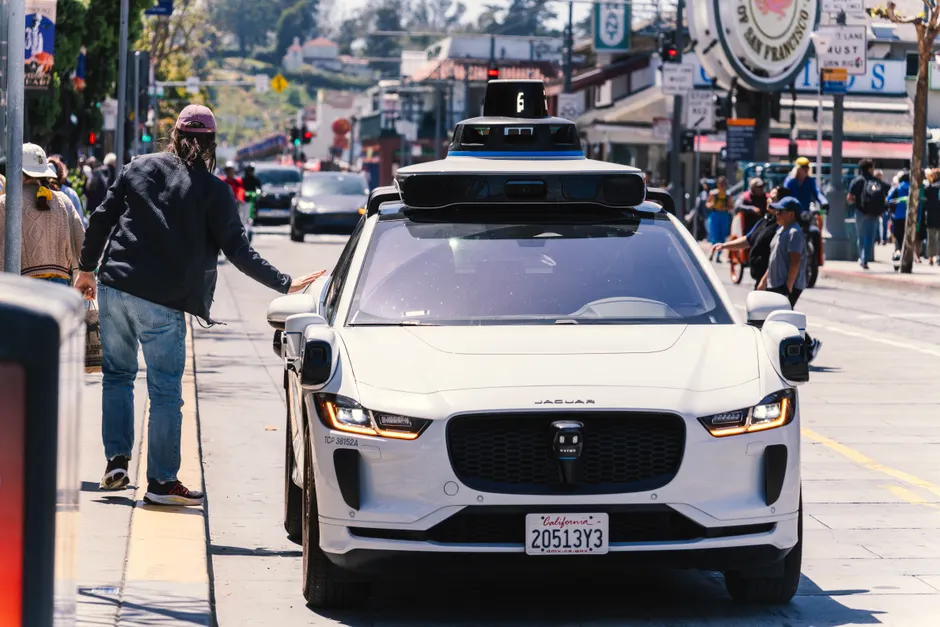
Waymo Buys Apple's Self-Driving Car Testing Ground for $220 Million
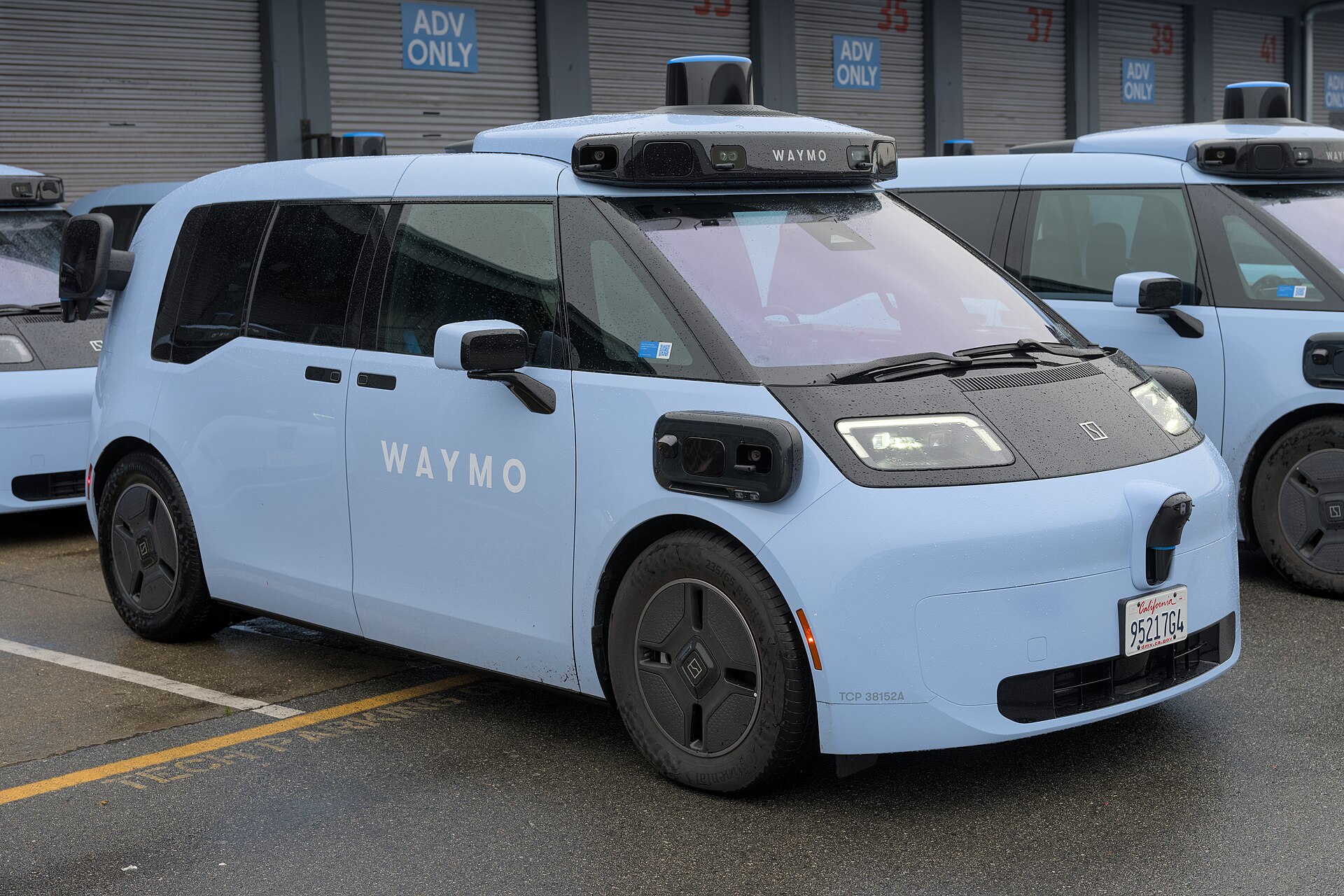
Waymo Buys Apple's Self-Driving Car Testing Ground for $220 Million
Waymo, the self-driving car company owned by Google's parent company Alphabet, has purchased a 115-acre testing facility in Arizona that Apple built but no longer needs. The price is $220 million, according to TechCrunch.
The facility is not a simple race track. It is a replica of a real city, complete with intersections, traffic lights, pedestrian crossings, and all the messy, complicated street geometry that self-driving cars encounter in the real world. Apple spent years and significant money building this place as part of its effort to develop its own self-driving car. That project was abandoned in early 2024, and Apple's engineering team moved on to other work, mostly artificial intelligence.
For Waymo, the timing makes sense. The company is scaling up its robotaxi service — self-driving taxis that carry passengers for money — across multiple U.S. cities. Owning this testing ground outright means Waymo no longer has to rent access to someone else's facility or negotiate with government-run test tracks. That kind of independence becomes increasingly valuable when you are running thousands of test scenarios at scale.
Why This Test Track Matters
Think of the difference between learning to drive in a parking lot versus learning in real traffic. The parking lot is controlled and safe, but you only encounter a limited set of situations. Real traffic throws endless surprises at you — a delivery truck parked illegally, a cyclist appearing suddenly from between two cars, a pedestrian stepping off the curb in an unexpected spot.
Self-driving cars face the same challenge. When Waymo tests on public roads, it accumulates real-world data slowly. A particular tricky scenario — say, a bus stopped mid-block with pedestrians crossing behind it — might only happen once in thousands of miles of driving. But on a controlled test track that simulates a city, engineers can set up that exact scenario whenever they want, run it ten times, adjust the car's software, and run it ten more times. The learning happens much faster.
Waymo already has more real-world driving data than nearly any other self-driving car company, collected over more than a decade. Adding this Arizona facility lets the company focus on the hardest edge cases — the unusual situations that come up constantly in busy city driving.
Apple's Loss, Waymo's Gain
Apple's self-driving vehicle effort, code-named Project Titan, consumed billions of dollars and years of work before being shelved in early 2024. The Arizona test facility was one of the expensive leftovers. For Apple, keeping it around made no sense anymore.
For Waymo, the $220 million purchase price reflects what it would cost to build something similar from scratch. Creating a 115-acre city simulation requires not just construction, but also zoning approval, environmental review, and years of careful engineering. Arizona's climate — with clear skies and little rain — makes it ideal for year-round testing of self-driving vehicles. Waymo has already been operating in the Phoenix area since 2017, so the purchase fits naturally into its existing operations.
There is an interesting historical detail here. In the mid-2010s, Apple and Waymo were seen as direct competitors in the race to build autonomous vehicles. They even sued each other over trade secrets. That case settled in 2018. Now, a decade later, Apple has abandoned the field entirely, and Waymo is buying the infrastructure Apple built to compete.
What This Means Operationally
Owning a controlled test environment gives Waymo several advantages beyond simply running more tests. The company uses computer simulations to create virtual driving scenarios. A high-fidelity physical test track can verify that these simulations are accurate. If the same scenario behaves differently on the real test track than it does in simulation, that gap tells engineers something important about their software.
There is another practical advantage. Testing on a private track that nobody else can access means Waymo's development work stays private. As more companies compete in the self-driving car space — including Chinese companies like Baidu's Apollo Go and American startups like Zoox — keeping your testing methodology and failure modes confidential has real competitive value.
The bigger business question is whether this $220 million purchase makes sense financially. Waymo has raised billions of dollars from investors, and the company has not yet generated revenue at a scale that covers its infrastructure costs. Whether this facility proves to be a wise investment will depend on how aggressively Waymo expands its robotaxi service over the next few years, and how much the controlled test track genuinely accelerates that expansion.
Why This Matters Beyond Waymo
This deal is part of a pattern we have seen before. In the early days of cloud computing, companies like Amazon and Microsoft started building their own data centers rather than renting space from others. The reasoning was the same: owning your infrastructure means you are less dependent on others, you can optimize it for your specific needs, and it signals that you are committed for the long haul.
The self-driving car testing world is likely to split in a similar way. The largest, best-funded companies will own their own test facilities. Smaller companies will continue to rent time at shared testing grounds in places like Michigan and California.
For Waymo, Arizona is becoming something like a complete development headquarters: the company operates real robotaxis in Phoenix, it has spent nearly a decade building relationships with state regulators, and now it has a dedicated testing ground right there. That kind of concentrated expertise is rarely accidental. It will probably guide where Waymo focuses its engineering work for years to come, even if its robotaxi passengers eventually ride in many different cities.
This acquisition will not, by itself, put self-driving cars on the road faster. But it is the kind of unsexy infrastructure work that tends to make a real difference when the technical challenges get really hard.