Mystery Space Objects Wash Up on a Queensland Beach

Six large metal balls washed onto a beach near Townsville, Queensland in July 2026. Australian authorities think they fell from space. The discovery led to a beach closure and emergency response, with officials still trying to figure out where they came from and what they contain.
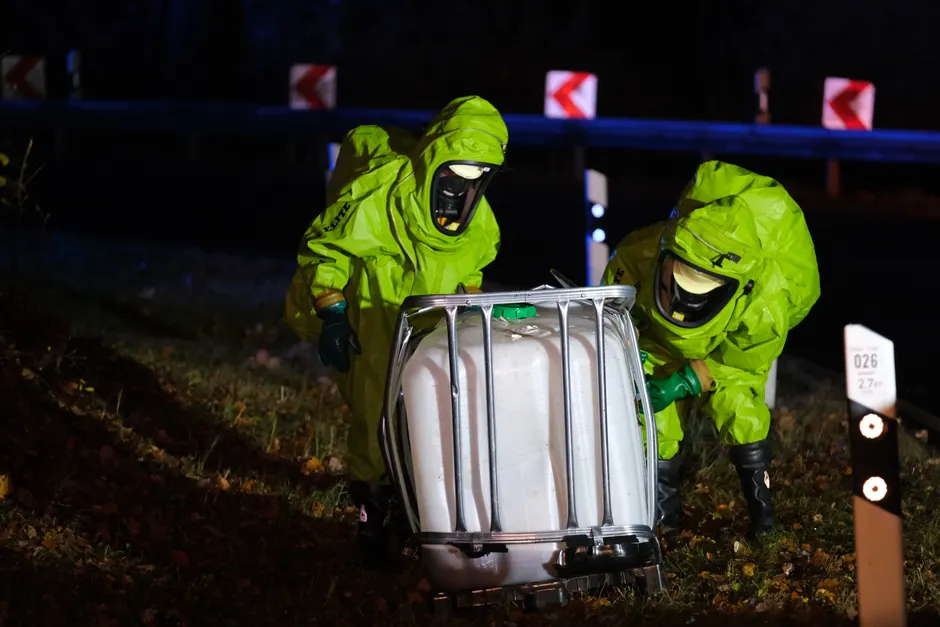
The first three objects appeared on 3 July, followed by a fourth on 4 July. By the next day, six had been found. Emergency responders put five into containers and made the sixth safe. Police said the objects might hold dangerous chemicals but posed no immediate threat to people living nearby.
The Australian Space Agency joined the search alongside local police and emergency management officials. When objects from space land on Earth without a clear source, responsibility becomes murky — so multiple agencies need to work together.
What These Objects Probably Are
Alice Gorman is a space expert at Flinders University who studied photos of the objects. She noticed they had no burn marks, which is unusual because things falling from space usually get scorched by heat. The metal balls looked like fuel tanks made from titanium — the same material used in high-performance aerospace parts. Experts informally call these "space balls."
Rocket engines use these sealed tanks to store fuel under high pressure. They're built tough so they can survive the fall through Earth's atmosphere. Space balls turn up on beaches around the world fairly often, sometimes years after their rockets launched. If these tanks still held fuel inside, they might contain hydrazine — a rocket fuel that is highly poisonous. That would explain why emergency crews treated the situation as a hazardous material incident.
Gorman suggested the tanks might come from a Russian rocket called Fregat, which uses similar metal containers and flies to distant orbits regularly. But she was careful to say they could also be something ocean-related, completely unrelated to space. No one has confirmed where they actually came from.
Why This Matters
Space junk is becoming a real problem. About 30,000 pieces of tracked space debris float around Earth right now — old satellites, spent rocket stages, and pieces from collisions. There are countless smaller bits too small to track. Most falling space debris burns up or lands in the ocean unnoticed, so six objects arriving together in one spot is unusual and worth taking seriously.
When something falls from space, international law says the country that launched it should pay for any damage. But first, investigators have to figure out which country that was. Since no one knows yet whether these came from Russia, another spacefaring nation, or somewhere else entirely, the responsibility question cannot be answered yet.
Right now, the Australian Space Agency's investigation is the key. What they find will determine whether this becomes a problem between countries, a straightforward cleanup job, or simply an odd case of space junk that happened to arrive on a Queensland beach at the same time — which, according to Gorman, is still very much possible.
The local fish and chips shop, Forrest Beach Takeaway, capitalized on the news by selling a "space junk snack box."