Six Metal Spheres Wash Up on Australian Beach: What They Are and Why They Matter
Six Metal Spheres Wash Up on Australian Beach: What They Are and Why They Matter
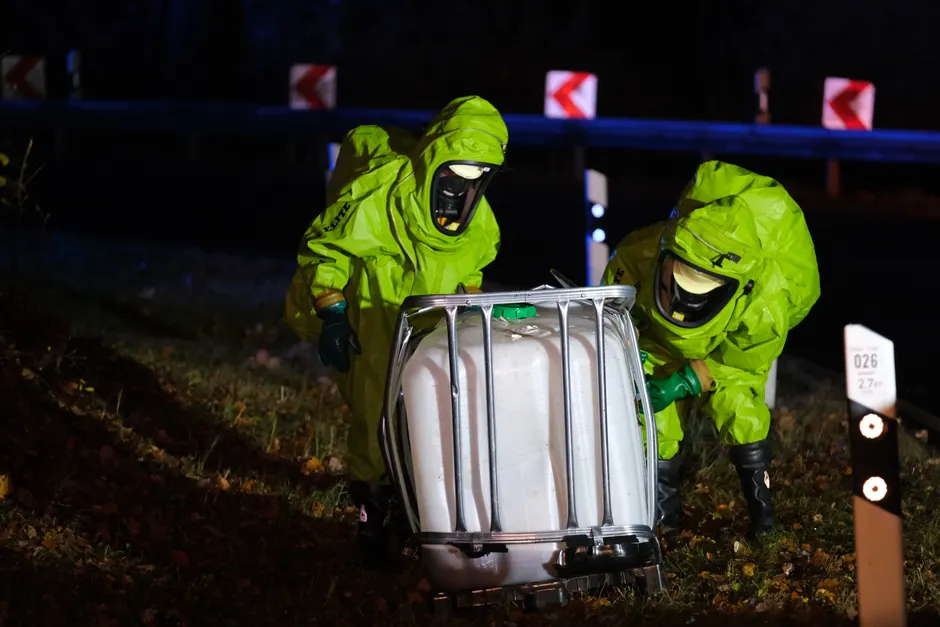
Over the weekend of July 4–5, 2026, six large silver spheres washed ashore at Forrest Beach, north of Townsville in Queensland. Emergency crews in protective suits showed up, closed the beach to the public, and secured the objects in sealed barrels under police guard. The Australian Space Agency confirmed it was investigating what appeared to be debris from space.
The response was swift and cautious. Queensland's fire department set up a 50-metre exclusion zone around the spheres. According to ABC News, emergency services are still figuring out how to safely remove and store them. The Irish Times reported that the ASA is "supporting local authorities in relation to suspected space debris located at Forrest Beach."
What Are These Spheres?
Online speculation, reported by the BBC, points to the objects being propellant tanks — containers that hold fuel for spacecraft and rockets. These tanks are built to be nearly indestructible. Their round shape and strong metal construction can withstand the extreme heat and pressure of falling back through Earth's atmosphere, which is why they wash ashore far more often than other space debris. Most other spacecraft parts burn up on the way down.
Here's why authorities treated this as a real hazard, not just caution for show: leftover rocket fuel inside these tanks can be extremely dangerous. The fuels used — substances like hydrazine and nitrogen tetroxide — are toxic to breathe and can ignite on their own if they touch air or water. They require specialists to handle safely. The Irish Times noted that toxic rocket fuel might be trapped inside, which explains why crews wore protective suits and sealed the spheres in barrels immediately, before anyone even knew where they came from.
Finding Out Where They Came From
As of July 5, no one knows which country or company the spheres belong to. That's not unusual at this stage. Tracing space debris back to its source requires specialists to cross-check re-entry tracking data from agencies like the US Space Surveillance Network and the European Space Agency's Space Debris Office, then match the objects against records of known spacecraft — looking at things like size, materials, and any surviving markings.
Australia sits in a geographic sweet spot for catching falling space debris. The country's southern and eastern coasts are directly below busy orbital paths used by commercial and government rockets worldwide. A past case from 2022 shows how long this process can take: debris found near Dalgety Bay took days to weeks to identify as part of a SpaceX Crew Dragon, even though SpaceX was cooperating with investigators.
The fact that Australia's Defence and intelligence agencies got involved points to a standard protocol. When unidentified foreign hardware lands on sovereign territory, those agencies have to be looped in alongside the civilian space authorities. This is more about following the rules than an immediate threat assessment. Whether the spheres turn out to belong to a private company, a government space programme, or an older mission will matter for another reason: international law says whoever owns space debris can be held responsible for damage it causes.
The investigation's speed will depend on how quickly the ASA can get the spheres to a laboratory for testing, and whether any markings — serial numbers, manufacturer stamps, or other identifying features — survived the fall and soaking in seawater. Until those questions are answered, Forrest Beach stays closed and the exclusion zone remains in place.


