Six Metal Balls from Space Wash Up on Australian Beach—What Happens Now?

Six metal spheres have washed ashore near Townsville, Queensland. The Australian Space Agency has identified them as pressure vessels—fuel storage tanks—from a rocket that fell back to Earth after launching from another country, The Guardian reported on 6 July 2026. Now authorities are working with other countries to figure out which rocket it was and who launched it.
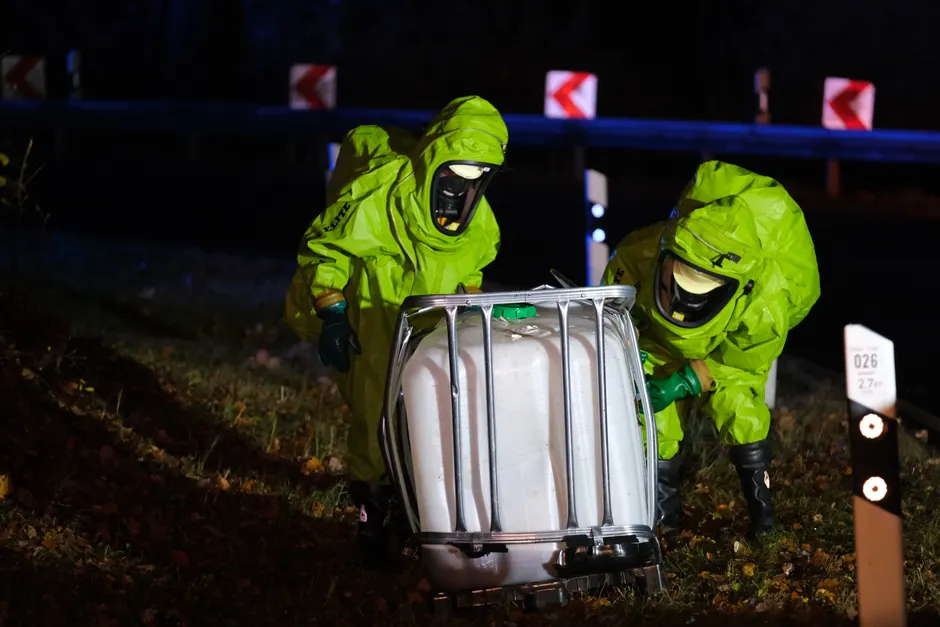
People found the six objects on Forrest Beach between 3 and 5 July. Police and firefighters arrived, kept people away, tested the metal for dangerous chemicals, and confirmed it was safe. A government body called the National Security Room is leading the investigation, according to 7NEWS Queensland.
Why Did These Metal Tanks Survive?
Rocket fuel tanks are made of a special metal called titanium alloy. This metal is heat-resistant—it can survive the extreme temperatures of falling through the atmosphere. When a rocket re-enters Earth's atmosphere, the outside of the rocket usually burns up from friction. But these tanks are tough enough to make it through mostly intact. The Australian Space Agency warned that more pieces might wash ashore and asked people not to touch or move any suspected space debris.
Who Owns This Stuff?
There are international rules for this situation. A treaty from 1967 says that whatever country launches a rocket owns all the pieces of that rocket, no matter where they land. So Australia doesn't own these tanks; the country that launched the rocket does.
But there is another rule. If these metal pieces had hurt someone or damaged property, the country that launched the rocket would have to pay for it. That's the law, even if the damage wasn't their fault.
Right now, nobody is saying which country launched the rocket. The Australian Space Agency is asking international partners for help identifying it. In 2023, something similar happened when Indian rocket pieces washed up in Western Australia, but India didn't ask for them back. Whether the same thing happens here depends on which country is involved.
Does This Happen Often?
Space pieces falling to Earth isn't rare, but it is usually in the ocean. These metal tanks are the parts most likely to survive the fall because of how they are built. In 1979, a space station called Skylab fell and left fuel tanks on a beach in Western Australia. That is still the most famous example of this happening in Australia, though much less debris came down in that case.
Actually getting hit by falling space debris is extremely rare. Only one person in the entire world is known to have been struck by falling space hardware—a woman in Oklahoma in 1997—and she wasn't hurt. The real danger here isn't the impact but leftover fuel that might be on the tanks, which is why authorities checked them so carefully.
Associate Professor Alice Gorman from Flinders University studies space debris. She thinks about it not just as junk but as objects with legal and historical importance—which matters for how Australia will handle these tanks once the country that launched them is identified.
Thousands of rocket pieces are orbiting Earth right now. Pieces falling back is something that happens regularly. Most fall into the ocean, so we don't notice. When they land on beaches, governments have to pay attention, both for safety and because it involves other countries—which probably explains why the National Security Room got involved.