A Massive Typhoon Is Heading Toward Guam—Here's What's Happening

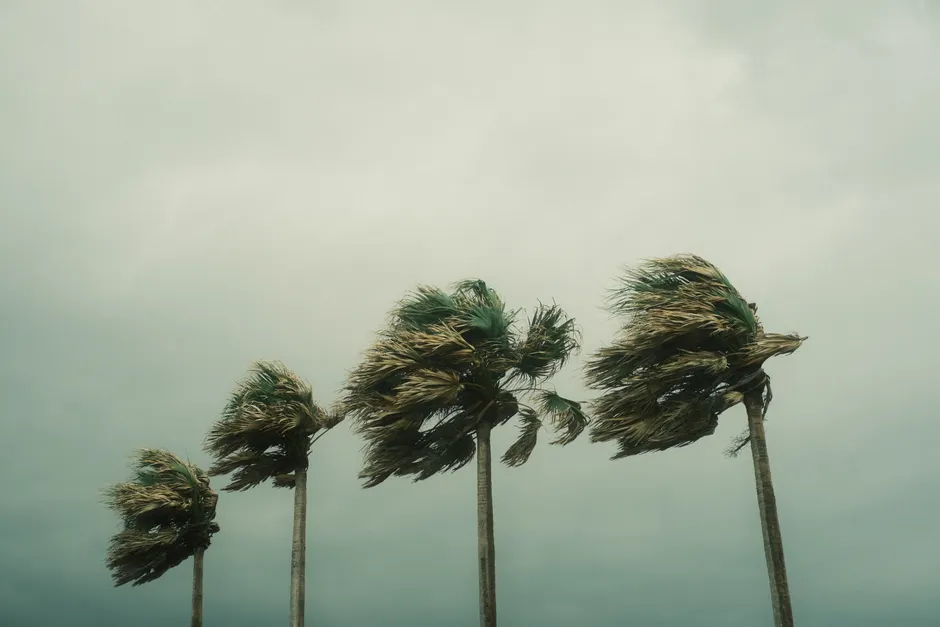
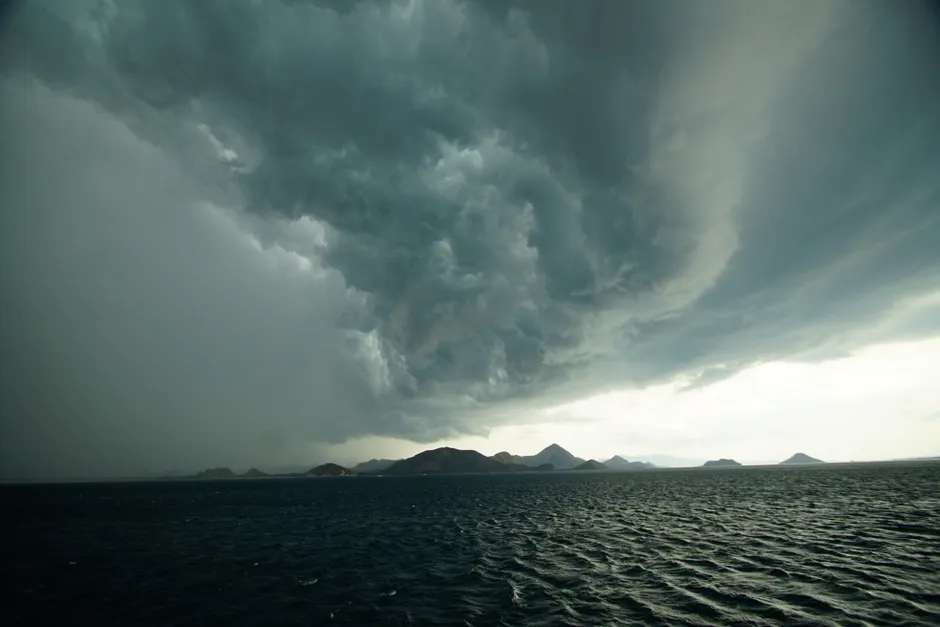
A massive typhoon is heading straight for Guam and nearby islands. Super Typhoon Bavi carries winds of 160 miles per hour—among the strongest storms on Earth—and is expected to hit early Monday morning local time. The US National Weather Service warns the storm could cause catastrophic damage, severe flooding, and ocean waves as tall as a four-story building.
On Sunday, Guam's government declared the highest possible alert level for the island's roughly 170,000 residents. This alert means residents must either stay sheltered at home or move to reinforced buildings. This is the most serious warning officials can issue.
The island set up five emergency shelters to protect people whose homes may not survive the storm. These shelters together can hold about 1,700 people. But Guam's civil defence office reported one shelter was already full by Sunday afternoon. Pacific Daily News reported officials expected about 2,000 people to need shelter—more than the five centers can hold.
Where the Storm Is Going and How Dangerous It Is
Bavi is the third Category 5 typhoon this season in the Western Pacific, according to Yale Climate Connections. The storm is moving toward the Mariana Islands chain. Pacific Daily News reported it will pass near Saipan and Tinian on Sunday afternoon before hitting Guam directly by Monday.
The danger stretches far beyond the storm's center. As of Saturday morning, dangerous winds extended 50 miles outward from the eye, per NWS Guam. The National Weather Service warned that people will face dangerous conditions 8 to 10 hours before the storm's center even arrives. Leaving shelter during this time is extremely risky.
Why Guam Is So Vulnerable
Guam sits in the Pacific's typhoon belt—the region where these giant storms form most often. The island is small and flat, with few high places where people can seek safety from storm surge and flooding. The shelter system that exists is meant to help people whose homes won't survive, not to house the entire population. Most people rely on staying inside their own homes if those homes are strong enough.
Having three Category 5 storms this early in the season is unusual. Scientists study these patterns to understand whether warmer ocean temperatures are making storms stronger, but that answer takes time to work out.
Danger doesn't end when the storm passes. Storm surge and flooding often get worse in the hours after a typhoon moves away, and with waves expected to reach 35 feet, coastal areas—harbors, power lines, fuel storage—face real damage. Guam also has US military bases, which means federal teams are working alongside local officials to coordinate the response.
Guam's emergency services also opened a mental health crisis line at 988 or 988lifeline.org. Major storms like this take an emotional toll on communities that have weathered them before and know what a direct strike from a Category 5 can mean.