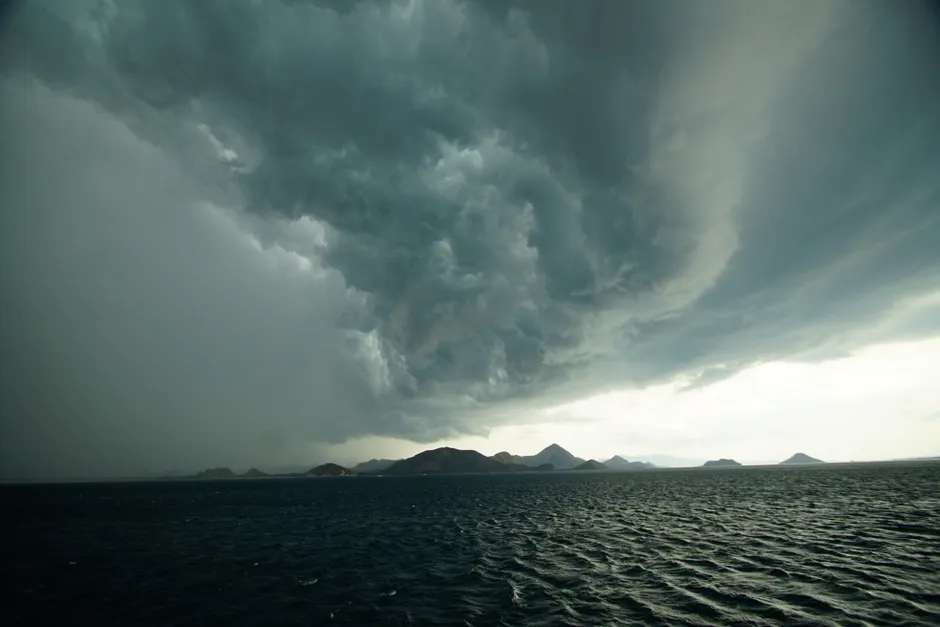
Super Typhoon Bavi Hits the Mariana Islands: What Happened and Why It Matters
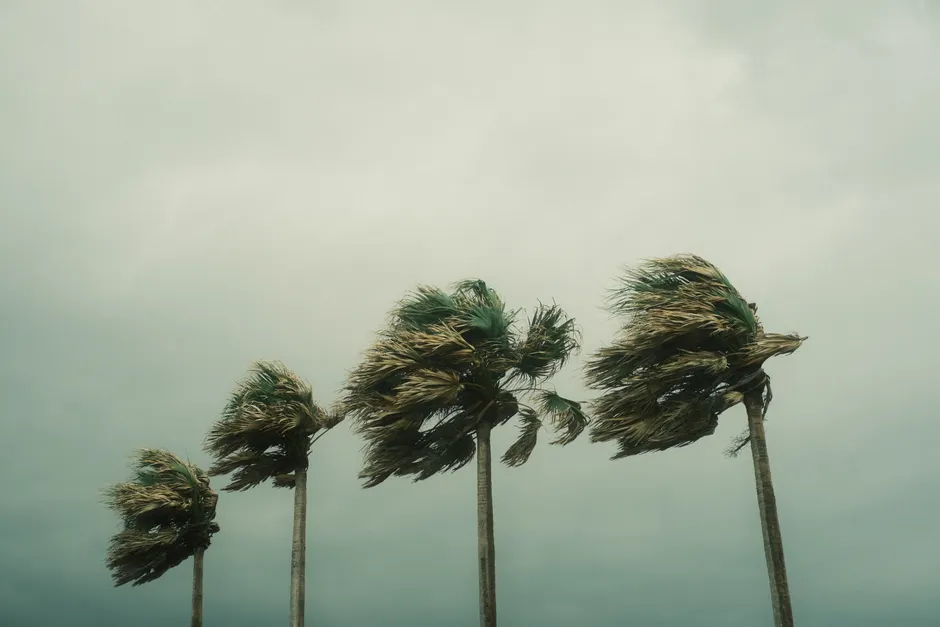
Super Typhoon Bavi struck the Mariana Islands on July 6, 2026, bringing winds of 155 mph—as strong as a Category 4 hurricane. The storm arrived after intensifying in just 48 hours from a tropical disturbance into a major typhoon, according to the BBC.
Bavi moved slowly across the islands at only 8 mph, which meant each location in its path faced many hours of extreme winds and flooding. Marianas Variety reported the storm was expected to pass near Rota on the morning of July 6 before heading west-northwest. Forecasters warned that winds might grow even stronger, reaching 160 mph. Typhoon warnings were in effect for Guam, Rota, Tinian, and Saipan, meaning dangerously strong winds were coming within 24 hours.
What made Bavi unusual was how fast it grew. Marianas Variety reported that on July 3, when the storm was still east of Guam, its winds measured 120 mph. By July 5, they had jumped to 155 mph. This rapid growth fits a pattern now common in the Western Pacific, where warm ocean water fuels fast-developing storms. The U.S. Navy tracked the system and predicted it would reach Okinawa by July 7.
Evacuations and Power Loss
Hundreds of residents moved to emergency shelters ahead of the storm's arrival, according to Marianas Variety. The Commonwealth Utilities Corporation, which supplies water and electricity across the islands, warned residents starting July 3. On July 4, it announced a water service shutdown for Saipan on July 5. NMI News Service reported that the utility then warned residents to expect power outages and water interruptions on Saipan from Sunday evening, July 5, through Monday, July 6. A July 5 advisory told residents to watch for safety hazards.
Fox Weather described the storm's impact as life-threatening. The Mariana Islands sit low on the ocean, making storm surge—the rise in water levels from the storm—the biggest danger from typhoons this strong.
Federal Help
President Donald Trump approved an emergency declaration for the Northern Mariana Islands on July 3, 2026, according to FEMA. This declaration allowed the federal government to move resources and money to the islands before the storm hit at full strength. Emergency declarations before a disaster occurs are now common for U.S. territories, though what really matters is how fast aid actually arrives afterward.
As Bavi moved past the Southern Marianas on July 6, the storm headed toward Okinawa. For the Marianas, the focus now shifts to counting the damage and restoring power and water.
Bavi shows why island communities face particular challenges. The storm went from tropical disturbance to major typhoon in just two days, giving people very little time to prepare. This rapid intensification is becoming typical in the Western Pacific, where warm waters pump energy into developing storms. Small islands have few resources and few places to evacuate, leaving them especially vulnerable.