Iran Is Blocking Ships in a Critical Waterway and Breaking Its Deal

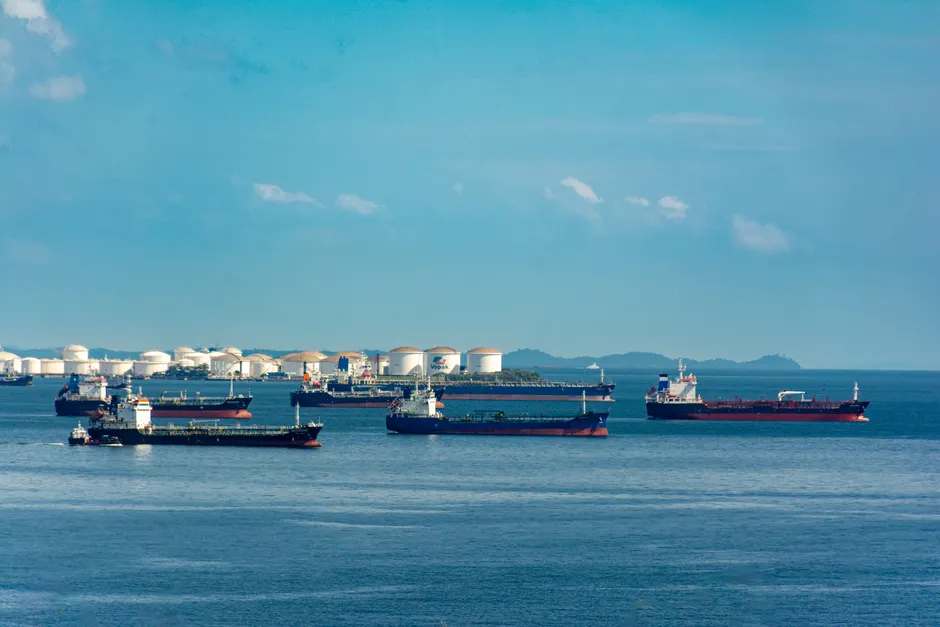
Iran's military is turning away ships from one of the world's most important shipping routes — the Strait of Hormuz, a narrow waterway between Iran and Oman through which roughly a third of all traded oil passes. At least eight vessels were turned back around July 4, marking an escalation of control that directly contradicts Iran's written agreement with the US signed just three weeks earlier.
On June 17, Iran and the US signed a deal in which Iran promised to let ships pass freely and not charge extra tolls for 60 days. But almost immediately, Iran started restricting traffic anyway. On July 2, the number of ships crossing the strait dropped 10% compared to the day before. Ships began avoiding the southern corridor — the safe lane close to Oman's coast that had become the main workaround — and instead were forced into routes Iran controls. Iranian-flagged vessels suddenly increased from two to eleven crossings that same day.
A Narrowing Corridor
Understanding the strait's geography helps explain the stakes. The route has two main passages. The northern route, which Iran controls directly, is narrower and more dangerous because Iran has laid mines there. The southern route, which runs closer to Oman's coastline, became the preferred path for ships trying to avoid Iran. Now even that route is becoming less safe.
France and the UK announced around July 2 that they would send ships to clear mines from the southern passage. Iran rejected this plan immediately, calling it unwanted interference. Intelligence analysts assessed that Iran intends to force all vessels into routes it can monitor and control. Senior Iranian officials confirmed to Reuters that Tehran plans to keep full sovereign control of the strait.
This squeeze did not start last week. Iran's navy declared the entire strait "completely closed" on June 20, warning ships that proceeding without permission risked attack. On June 25, more warnings caused additional ships to turn back. A tanker was struck by an unidentified projectile on June 27, damaging its bridge; the crew was safe. In July, a ship in the Red Sea — another major waterway to the south — was attacked near Yemen. President Trump claimed that Iran fired drone attacks at multiple ships passing through the strait.
Behind the immediate dispute lies a larger question: who controls the strait, and under what rules? Oman has quietly started positioning itself as a neutral referee. It held talks with Iran, France, and the UK about creating a formal system of governance based on how the Strait of Malacca — another major shipping route — is managed. That model charges optional fees to cover safety services, navigation guidance, and environmental protection. The International Maritime Organization has indicated support for the Omani approach.
Iran, however, wants to set the rules itself. The Guardian reported in late June that Iran and Oman were "jealously competing" over who gets to decide how the strait operates. Iran has announced that after the 60-day period from the US deal ends, it will introduce its own system of maritime fees — essentially a toll booth for passing ships.
One factor working against Iran is the price of oil. Crude oil has dropped from $125 per barrel to around $75 — a 40% decline. This matters because if shipping were severely disrupted, global oil prices would spike, giving Iran leverage over countries that depend on that oil. A cheaper world supply weakens that bargaining power.
What happens next depends partly on politics inside Iran itself. The US has said it will not restart negotiations until Iran's Supreme Leader Ali Khamenei's funeral is over. That six-day ceremony is politically important beyond mourning: Khamenei's son, who could be his successor, was notably absent from the July 5 funeral service. Anti-American rhetoric also intensified during the funeral, making diplomacy harder.
The US-Iran agreement's 60-day toll freeze runs out in mid-August. Over the coming weeks, Iran's military will decide whether to relax its controls, France and Britain will work on clearing mines, Oman will push its governance proposal, and Iran will navigate its own succession crisis. Whether the strait returns to normal shipping or becomes a permanent chokepoint depends on all these moving pieces aligning — and right now, they are moving in opposite directions.