Why the UK's Next Leader Is Being Pressed on War Spending

UK Defence Secretary Dan Jarvis has publicly challenged Andy Burnham — who is widely expected to become the next prime minister — to promise more spending on the military after 2030. Specifically, Jarvis wants Burnham to commit to NATO's 3.5% target, meaning the UK would spend that percentage of the total national economy on defence. The current government, under Keir Starmer, has only promised to reach 2.68% by 2030. The difference is large. At today's economic size, hitting 3.5% would mean roughly £25bn a year more for the military by the mid-2030s than is currently planned. Jarvis made this request ahead of a NATO summit in Ankara opening on Tuesday, 7 July, per The Guardian.
NATO countries agreed to the 3.5% target back in 2025, largely because US President Donald Trump pressured them to spend more. When Jarvis travels to the Ankara summit, he plans to tell the US Defence Secretary Pete Hegseth that the UK will meet this commitment. That matters because alliances, like partnerships, depend on trust that members will do what they say they will do.
Why is Jarvis pushing so hard now? The previous defence secretary, John Healey, actually quit in June 2026 because Starmer refused to commit to the steeper spending path. His departure was public — a signal that defence money was a serious disagreement inside the government. Jarvis, a former soldier with paratrooper experience, took over and moved quickly. In late June, the government announced a £298bn four-year defence plan that included an extra £1.5bn for things like drone technology. The plan was formally unveiled on 30 June in Berkshire with Starmer watching. It sets aside £5bn specifically for drones. All told, this represents roughly $20bn in additional spending, though some of it comes from taking money away from roads and energy projects. Jarvis said these were "difficult but necessary" choices.
But there is a problem no one saw coming until very recently. By 1 July, Reuters found that the government had not identified where £4.7bn ($6.2bn) would come from to pay for the existing four-year plan. Burnham will need to figure that out when he takes office — and he still does not have to promise anything about what comes after 2030. When asked about this on 2 July, Burnham said he would "fully fund" the defence plan and there would be "no compromise on the security of the nation." But he did not say whether he agrees to the bigger 3.5% goal after the plan ends. That is exactly what Jarvis is trying to force him to say in public.
Behind the scenes, Jarvis has already been talking to Burnham's team about what they will do. That is a sign they are trying to work things out together, even though Jarvis is putting public pressure on him.
Why does this matter right now? The Ankara summit is bringing together NATO members, and the Trump administration is watching to see who will actually spend the money they promised. The NATO chief, Mark Rutte, said on 29 June that he was "confident" Burnham would keep the UK's spending promises — a careful statement meant to show support without fully endorsing him.
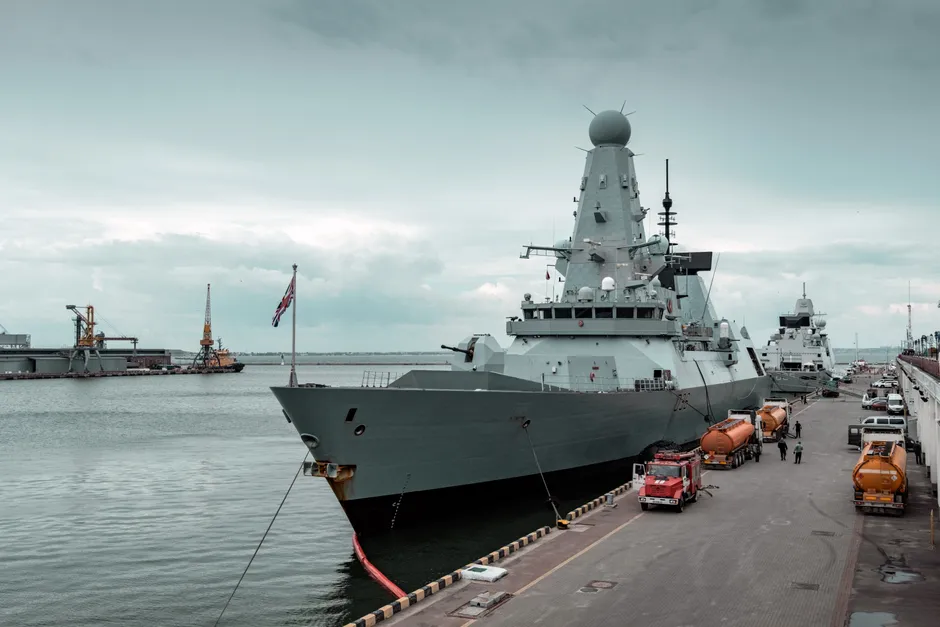
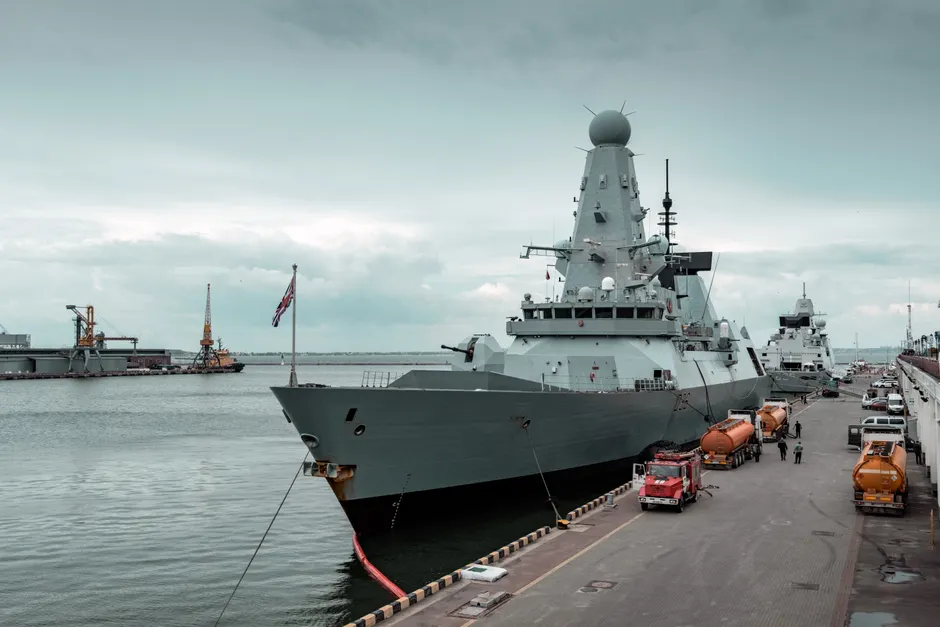
There is also another reason the pressure is real. The UK is preparing a major military presence in the Strait of Hormuz, a vital shipping route, working alongside France. Jarvis, speaking from his experience as a soldier, said the world is now "absolutely more dangerous and more complicated than at any point during my lifetime." When a defence secretary talks like that, people listen — and it shapes the case for why higher defence spending is urgent, not just a budget argument.
So what does Burnham actually face? If he agrees to reach 3.5% of GDP by the mid-2030s, the UK would need to find roughly £25bn a year extra for the military beyond what is already planned. But before he even gets there, he has to explain where £4.7bn comes from for the current four-year plan. The government's current approach — taking money from roads and energy projects — has already annoyed sectors that depend on that spending. Raising taxes or borrowing more money both come with political costs that Burnham has not yet explained publicly. When Jarvis asks him to "evidence the trajectory," he is really asking: where will the money come from, and can you prove you have thought this through? The Ankara summit this week is where Burnham will need to start giving answers to allies watching very closely.