Britain Is Spending Much More on Defence—Here's Why
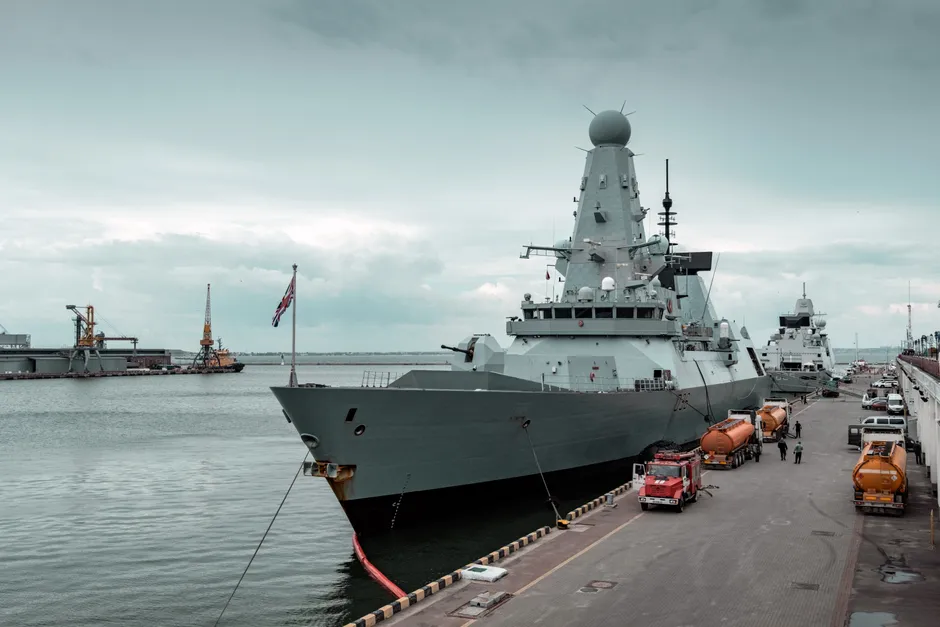
The UK's Defence Secretary announced on 23 June 2026 that the country will spend far more money on defence over the next nine years. The commitment: to spend 5% of the nation's total economic output on the military by 2035. Currently, Britain spends about 2.3%, so this is a substantial increase.
Jarvis announced this at the RUSI Land Warfare Conference, a meeting attended by military leaders and defence officials from allied nations. The location mattered. Since Russia's invasion of Ukraine in 2022, European countries have been especially focused on ground forces—tanks, artillery, ammunition—and whether they can defend themselves if attacked. By speaking at a conference specifically about land warfare, Jarvis was sending a message: this isn't just more money for the sake of it, but money aimed at specific military needs.
NATO, the military alliance that includes Britain, the US, and most of Europe, is holding a summit in Ankara, Turkey, soon. The United States has been pushing other NATO members to spend more on defence. Britain's announcement is partly a response to that pressure—a way of showing that the UK takes the alliance seriously and is willing to pay for its own security.
Why is Britain doing this? The British Army has gradually become smaller over the last ten years. More money would allow the military to grow again, buy new weapons and equipment faster, and build up supplies of ammunition and missiles. Ukraine's experience has shown that modern warfare requires enormous quantities of ammunition, and NATO countries don't have enough stored up.
One thing worth noting: plans to spend money over nearly a decade often change. Previous British spending targets have sometimes been met by counting things that aren't really weapons or troops—money for spies or nuclear programmes, for instance. It's possible this target could shift depending on which government is in power or economic conditions. Analysts will want to know exactly what the government is counting as "defence spending."
For other countries worried about security—like Poland and Estonia, which border Russia—this announcement is important. The UK is one of Europe's two nuclear-armed countries and spends the second-most on defence of any European nation. If Britain is serious about spending more, it strengthens the argument that other European countries should do the same. That will be a big topic at the Ankara summit.
What the summit actually decides, and whether other countries follow Britain's lead, will determine whether this announcement turns into real change.