Gold Dropped Even Though the Middle East Got Worse. Here's Why.

Gold prices fell on July 7, 2026, even as fighting in the Middle East intensified and pushed oil prices up. That's unusual. Normally, when geopolitical tensions spike, both oil and gold rise together — oil because supply could be disrupted, gold because it's seen as a safe investment during conflict. This time they went different directions. Gold went down while oil went up. That split tells us something important: traders right now care more about interest rates than about using gold to protect themselves from global conflict Reuters.
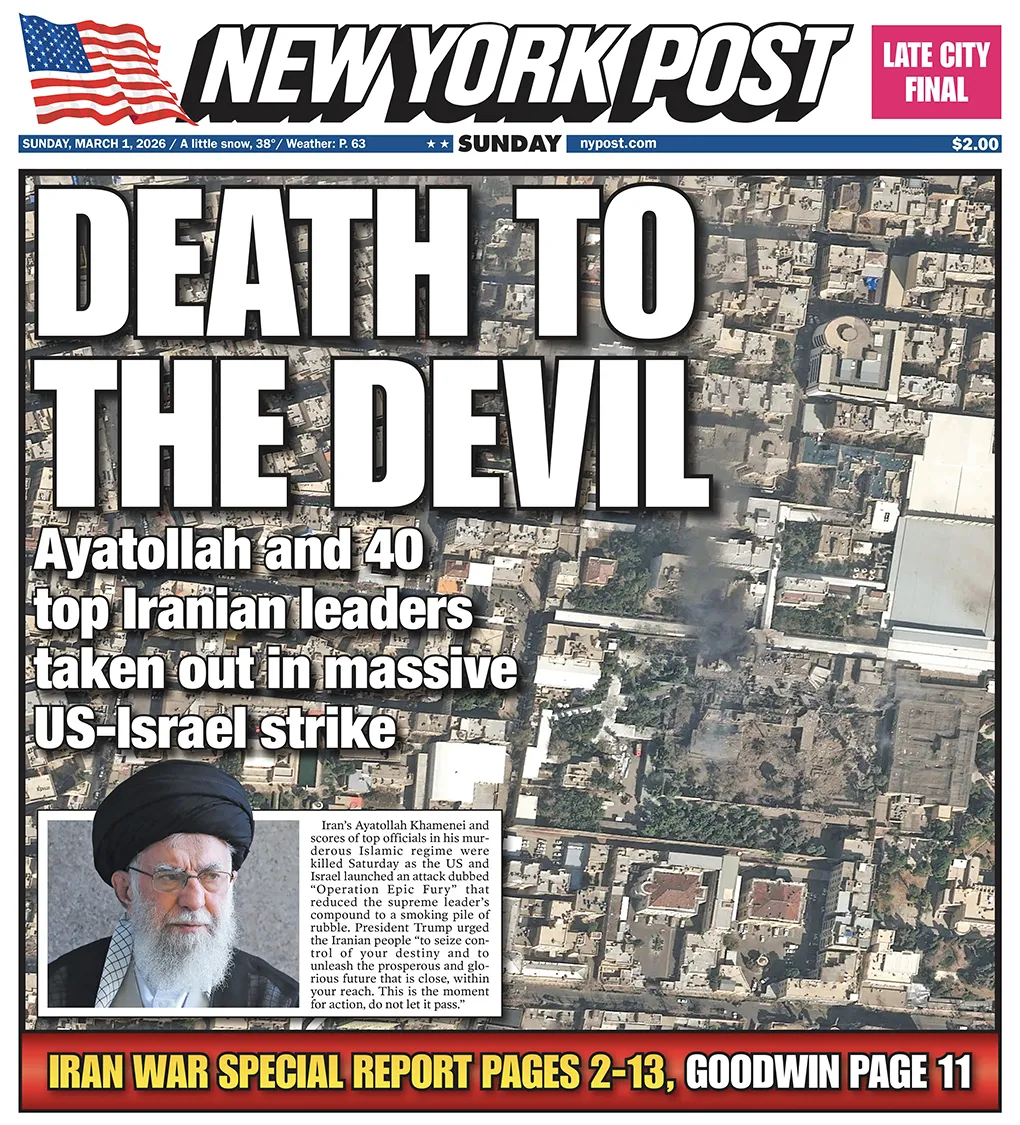
Since early March, gold prices have been a seesaw. When fighting escalated between Israel and Iran, gold spiked upward — investors rushing to the safety it offers. When worry shifted to the Federal Reserve raising interest rates to fight inflation, gold fell sharply. This has happened multiple times in a single week. On March 1, gold climbed as war drove investors to seek safety Bloomberg. By March 2, gold had dropped more than 6% as traders fretted about rate increases Bloomberg. It bounced back on March 4 when US-Israeli strikes on Iran sparked fresh safe-haven demand Reuters, then rose further on March 5 as the conflict widened CNBC. But by March 23, gold fell 1.8% to $4,407.06 per ounce in its worst weekly stretch, as traders worried that tensions might push inflation higher rather than drive gold demand Reuters.
The same pattern played out in June with bigger price swings. On June 7, Hezbollah fired rockets at northern Israel; Israel hit back with strikes of its own ISW. That same day brought the worst Israel-Iran strike exchange in months CNN. On June 11, gold jumped 2% to $4,153.71 per ounce — after hitting its lowest level since November earlier that day — because traders were worried the Fed might raise rates even more Reuters. Then on June 8, when Israel and Iran agreed to stop missile attacks, gold kept falling because traders stopped worrying about immediate war and started thinking about long-term energy costs Bloomberg.
The ceasefire didn't hold. By late June, Iran was threatening to walk away from talks after another round of strikes with the United States CBS News. On June 29, Washington and Tehran agreed to stop attacking each other, and gold fell anyway — even though the same tensions had raised inflation worries just days before Bloomberg.
Here's what's actually moving gold. Traders stopped caring mainly about "Will there be another attack?" and started caring mainly about "Will the Fed raise interest rates?" Every time fighting paused this year, gold's safe-haven appeal faded faster than the actual danger did. That's why gold keeps falling whenever there's a ceasefire announcement, even though energy risks from Middle East tensions keep brewing in the background. On July 7, oil took the geopolitical risk premium — the extra value added by regional tension — while gold moved mostly on rate expectations.
This means the Federal Reserve's upcoming meeting minutes matter more than the next Middle East headline. Traders will scour the Fed's words for hints about whether rates are going up or down and how fast. Gold has reacted sharply to rate shifts all year — you can see it in the reversals that happened around the March and June episodes, where rate-hike fears flipped safe-haven rallies in the same week. What economists call real yields — what your money actually earns after inflation rises — remains the main force pushing gold prices in the second half of 2026.
For people managing investment portfolios, the takeaway is this: gold's protection against this particular Middle East conflict isn't as reliable as history would suggest. Three times since March, rate worries have overwhelmed geopolitical concern. That doesn't mean gold is a bad investment — it means timing a gold purchase for safety requires paying attention to the Federal Reserve's schedule, not the war's schedule.