Meta's Muse AI App Now Has 10 Million Users, and People Are Shopping With It

Meta said on Wednesday, October 21, that its AI app Muse has more than 10 million users. TechCrunch Mark Zuckerberg said about 25% of people who set up Muse use it every day. He also said shopping is one of its most popular uses.
Sensor Tower data, reported by Yahoo Finance, showed Muse had 10.9 million downloads since its launch on September 8, 2026. A download means someone installed the app. An active user is someone who keeps coming back to it, so the two numbers are not the same.
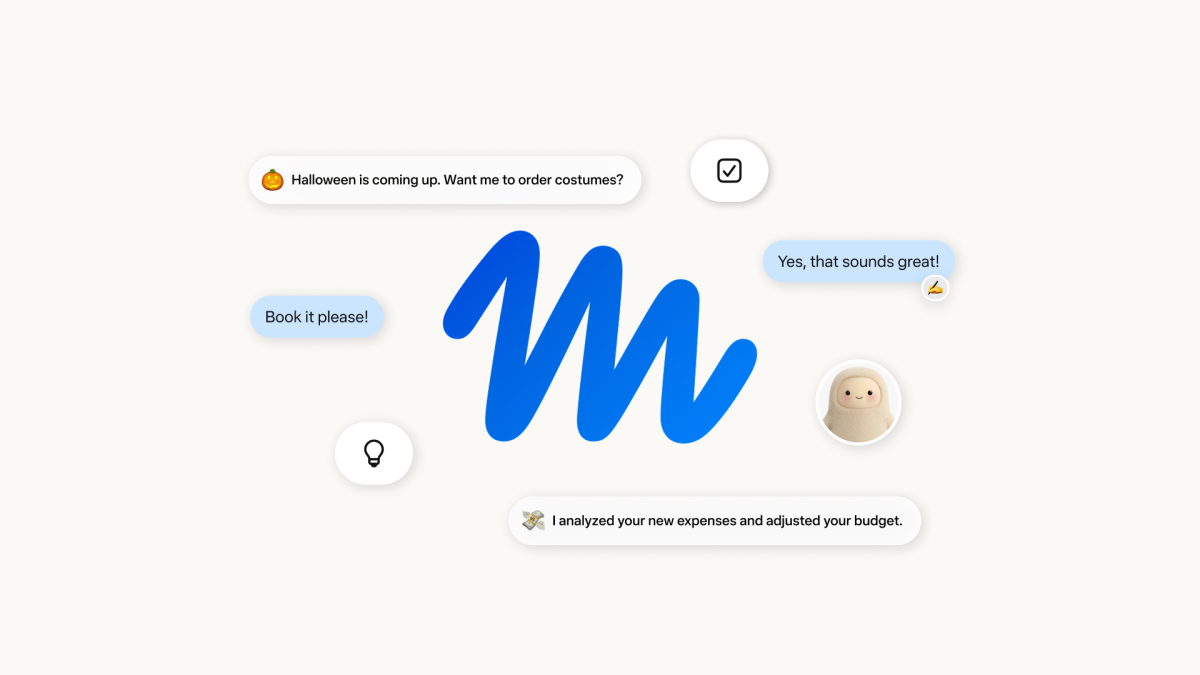
Shopping is where Meta sees its clearest results. Zuckerberg said more than a quarter of the engaged users who shopped through the agent spent over $200 per purchase on average. An AI agent is a program that carries out tasks for you. Muse connects to shopping through Plaid, a data company that links apps to people's bank accounts. Plaid told Meta it had not seen activity like this on any other service it works with. Many people also use Muse for everyday jobs, such as linking it to their email or calendar.
Muse can pay for items using Link, a payment product built by Stripe. Meta's newsroom says Muse is the first AI agent covered by Link's purchase protections. Meta has also added Muse for Small Business, an agent that runs in the background to help small businesses reach their goals.
In October, Meta launched Muse Wonder and Muse Wonder Full. Muse Wonder is available to developers and builders through the Meta Model API. Muse Image, released in July, has a Shop Your Room feature that redesigns a room using real products from the web or Facebook Marketplace.
Meta describes two privacy tools. Muse Secure VM is designed to protect user data and privacy. A future tool, Muse Confidential VM, would stop Meta from seeing what users store in the app. Meta has not said when either will be available to everyone.
Zuckerberg said Muse has reached product-market fit, which means enough people want it to justify building on it. Meta now plans to grow the agent, earn more money from it, and lower its computing costs. Meta expects Muse to eventually earn more per user than people now generate on its apps, which is currently around several hundred dollars a year.
The plan is to keep Muse free for most people and take a percentage of purchases made through it. Power users who want the most advanced features will pay. Zuckerberg also said Meta expects to cut Muse's costs by more than 10 times within the next year.
Meta is spending heavily on AI. Reuters reported on October 20 that Meta expected revenue to grow 23.8% to $63.42 billion, slower than about 28% in the previous period. Investors are watching AI spending and Muse adoption closely. Reuters also reported on September 22 that the analyst firm Jefferies estimated Muse could earn substantial revenue if it reached 1 billion users by the end of 2027 and 3% of them paid. That is an analyst estimate, not a Meta target.
The broader context here is an old tension. Reuters reported on September 23 that investors worried Muse could become a tool that helps shoppers find cheaper options. That helps buyers but can hurt stores that depend on being seen first. Meta's cut of sales puts it right in the middle of that.
In my view, the number to watch is not the 10 million headline. It is how many people move from trying Muse to using it regularly and paying for it. A quarter of new users opening it daily is a strong sign for an app this young. Whether shopping and paid features keep growing, and whether Meta's privacy tools earn people's trust, will decide if Muse becomes a lasting platform or a very large free trial.
For small businesses and developers, the nearer effect is that AI shopping now has a real example to learn from, involving a payment network, a data company and millions of users. If Meta's privacy tools work as described, personal AI helpers could one day handle routine errands people now do by hand. Meta has not yet said how it will lower costs or whether shopping will last once the novelty wears off.