A Walking App Now Locks Your Phone Until You Hit Your Step Goal
A Walking App Now Locks Your Phone Until You Hit Your Step Goal
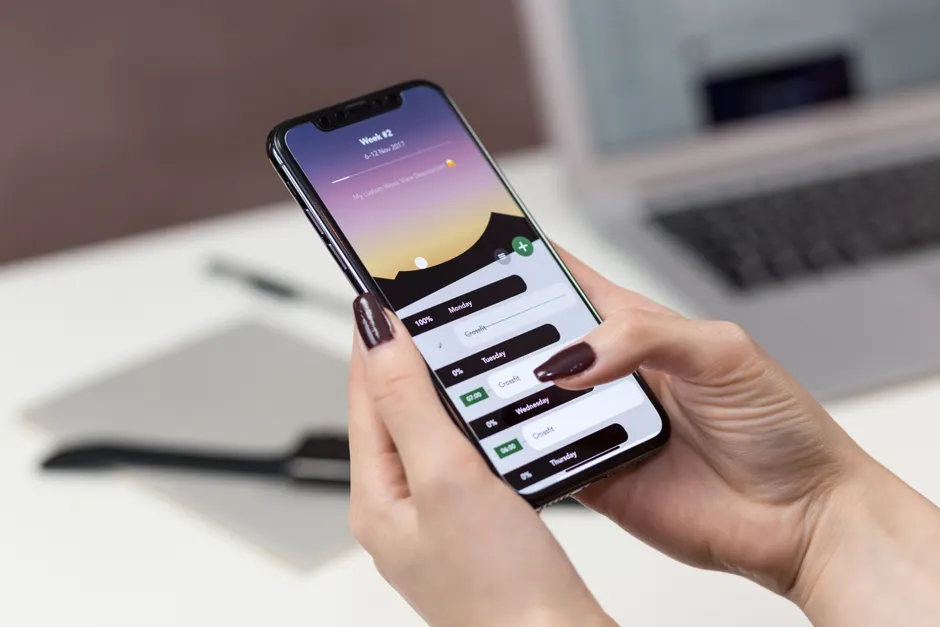
WeWard, a fitness app backed by tennis player Venus Williams, just added a new feature that blocks access to apps like Instagram or games on your phone until you walk a certain number of steps. The feature, called Walking Mode, lets you pick which apps get locked and how many steps you need to unlock them TechCrunch.
Until now, WeWard worked differently. You walked, logged your steps in the app, and earned digital currency called "Wards" that you could convert to real cash, gift cards, or donations to charity. Walking Mode flips the approach: instead of rewarding you for walking, it punishes you for not walking by taking away access to apps you use every day. It is, in other words, a stick rather than a carrot.
The company reports it has 30 million users across 29 countries, with 4 million in the United States. WeWard says its platform has increased walking time by nearly 25% for its users, and has paid out $20 million in cash so far TechCrunch.
WeWard makes money through in-app purchases, premium subscriptions, advertising, and affiliate partnerships. The company has said it does not sell your personal data to third parties TechCrunch. Notably, WeWard claims its users spend only a few minutes a day inside the app, and the company treats that as a good thing — not something to fix.
This claim reveals something worth paying attention to. Most apps try to keep you inside them as long as possible because more time in the app means more ads you see and more money the app can make. WeWard seems unconcerned with how long you stay logged in. The company appears to make its money from advertising and partnerships that sit around the walking habit itself, not from keeping you glued to the app. If that model holds as more people use Walking Mode, it could be a genuinely different approach to mobile app business. But whether it will work in practice, as the feature spreads to millions of users, is still an open question. Features that lock you out of apps tend to change user behavior in ways that were not originally planned.
Williams has been involved with WeWard since at least early 2025, when she partnered with the company and a nonprofit called CARE to turn steps into charitable donations. She serves as both an investor and brand ambassador Instagram. In early 2025, WeWard ran a special in-app event called the "Venus Williams Championship" where users unlocked increasing donation amounts as they walked more WeWard blog.
The fitness apps space has spent the past decade trying to make walking and step-counting as engaging as possible. Apps use leaderboards where you compete with friends, streak counters that reward you for consistency, and badges you unlock — all tactics borrowed from video games and social media. Walking Mode is a small shift in that tradition. Rather than try to compete with Instagram or games for your attention, WeWard is putting itself in the way: the app becomes the bouncer at the door, deciding whether you have earned the right to open other apps.
The idea is not new. Parents have locked apps on their kids' phones for years using app-blocking software. The difference here is that adults would be locking their own apps, tied to a fitness goal instead of a parental order. Whether that works — whether the promise of unlocking Instagram really changes how much people walk — is the genuine question. WeWard's own data shows its existing rewards system does increase walking. Whether adding a penalty (app lockout) on top of that reward works even better remains to be tested in the real world.