Meta's New Smart Glasses Can Record Everything Around You — Without an Obvious Light

Meta's New Smart Glasses Can Record Everything Around You — Without an Obvious Light
Meta is developing prototype smart glasses that can continuously record audio and take photos every few seconds. According to reporting from the Financial Times covered by The Verge, the glasses would have a "super sensing" mode designed to capture the wearer's surroundings automatically.
Here is the unusual part: the raw audio and video would not be saved as files you could watch later. Instead, the glasses would process everything locally or send it away to be analyzed, and only extract the important details — metadata, in technical terms — would be uploaded to Meta's servers for its AI systems to analyze.
Meta is planning not to turn on the recording light during super sensing mode. This is intentional. In a whitepaper from July 2025, Meta explained it wants to keep the LED indicator off during normal AI use, and only light it up when the wearer deliberately takes a photo or video. The company's reason: if the light stayed on all the time, people would stop paying attention to it. It would become like a smoke detector that chirps constantly — you just tune it out The Verge.
The practical effect, though, is that the glasses would listen and watch most continuously without any visible signal to bystanders that recording is happening.
The broader context here matters. Metadata — data about data — is not the same as keeping the actual video or audio file. If Meta only stores extracted metadata, there would be no archive of a given afternoon sitting on their servers. But metadata extracted from continuous listening and watching, fed into an AI system that can be questioned later, still creates a lasting record of what the device observed and heard. Whether regulators will treat metadata-only storage as truly different from storing the raw footage is still unclear.
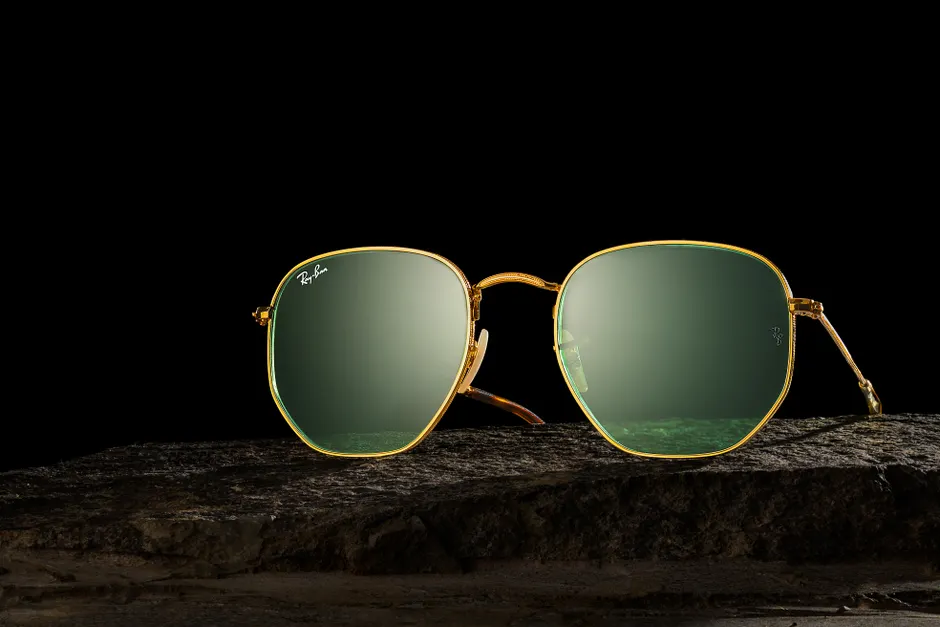
Meta is also exploring whether the audio and images captured through super sensing could be used to train its AI models, according to the Financial Times. No final decision has been announced. The company is also considering whether existing Ray-Ban Meta glasses already in people's hands could get this capability through a software update, rather than only offering it on future glasses The Verge.
When asked about the prototypes, Meta spokesperson Dave Arnold said: "While we don't comment on internal prototypes, we're committed to getting our glasses right because they need to be loved by both people wearing them and those around them" The Verge. The statement did not confirm or deny the Financial Times' reporting.
Meta CEO Mark Zuckerberg has spoken publicly about the direction. On a company earnings call earlier in 2026, he said he was "really excited to see the glasses evolve" and mentioned always-aware glasses as a possible future product. He did not describe super sensing specifically, but his comments align with what the Financial Times reports Meta is testing The Verge.
Meta has also taken steps to prevent people from disabling the recording light. On April 7, 2026, the company announced an update that shuts off the camera if the glasses detect the LED indicator has been physically blocked or removed The Verge. That addresses a real problem — researchers have shown the light can be covered with simple modifications — but it does not address the scenario where the LED is designed to stay off by policy rather than by tampering.
Worth flagging: there is a tension here between what Meta says and what it proposes to do. The company's own whitepaper makes a reasonable point about indicator fatigue — humans do stop noticing repeated warnings. But the end result is that the mode involving the most continuous listening and watching is the one where the visible warning disappears entirely. Bystanders lose the signal precisely when the device is listening and recording most persistently.
Meta has not announced when super sensing would launch, what it would cost, or which product line would get it first. The company's only public statement remains Arnold's comment. The details come from the Financial Times' reporting, which The Verge has covered directly The Verge.