Sunrun Wants to Turn Your Home into a Computer for AI Companies
Sunrun Wants to Turn Your Home into a Computer for AI Companies
Sunrun, a major residential solar company, just announced a pilot program that would install small computing boxes in customers' homes equipped with solar panels and battery storage. The company would then sell the computing power from these boxes to AI companies that need it The Verge. The announcement came on July 8, 2026, and Sunrun's stock jumped 7.30% before the market even opened that day Yahoo Finance.
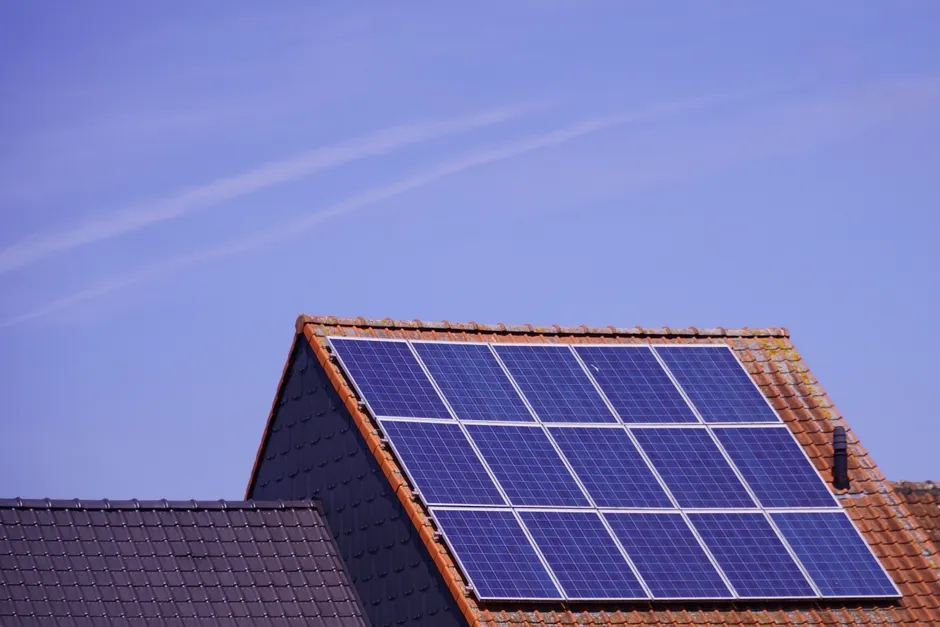
The basic idea is simple. Sunrun installs what it calls an AI Compute Node — essentially a small, specialized computer — inside homes that already have Sunrun solar panels and batteries. These boxes use the home's existing electrical system, and Sunrun says they're designed to run quietly so residents barely notice them sunrun.com/compute. Homeowners who participate get paid for hosting the hardware and for the electricity it uses. Sunrun then bundles together the computing power from thousands of homes and sells it to companies — especially AI firms — that need processing capacity quickly.
Sunrun tested this concept in an earlier pilot that the company describes as successful, though it hasn't released detailed performance numbers The Verge. This new pilot will run over the coming months, and Sunrun will then decide whether to expand it. The opportunity is large: Sunrun has about 1.1 million customers today, and the company is already taking names of homeowners interested in signing up sunrun.com/compute.
Sunrun isn't doing this alone. It's partnering with Renew Home (a company that helps manage how batteries and power systems work together) and Tesla. Together, the three companies say they can deliver more than 16 gigawatts of flexible home energy capacity that can power data centers and AI work sunrun.com/compute. Tesla brings its Powerwall battery technology and the software that manages home energy systems, while Renew Home brings expertise in coordinating many small batteries and power systems as if they were a single large power source.
The announcement was published through Sunrun's investor relations channel on July 8, 2026 Sunrun investor relations, making clear this was as much a corporate and financial announcement as a product pitch.
Why This Matters
AI companies are hungry for computing power, and traditional data centers can't be built fast enough. The process of getting permission to build a new data center, connecting it to the electrical grid, and hooking it into the internet can take years. By putting small computers inside homes that already have solar panels and batteries, Sunrun sidesteps much of that delay. The power generation and grid connection already exist. The extra electricity the compute boxes would use is tiny compared to what a whole new data center would demand.
The real question is whether this approach actually works in practice. AI companies care about speed, reliability, and the ability to run their programs around the clock — all things that a network of small computers scattered across thousands of homes will need to prove it can deliver. Managing thousands of small, separate computers in people's houses is much trickier engineering than running a single large data center. Companies also expect security and reliability guarantees that scattered home equipment may be harder to provide.
There's another challenge that solar companies have bumped into before: once the novelty wears off and people get paid a few times, will they stay in the program. If the compute box gets hot, makes noise, or makes the electric bill spike visibly, homeowners might opt out. That's likely why Sunrun keeps emphasizing that the boxes run quietly.
For the past 30 years, computing has concentrated into bigger and bigger data centers. If this pilot works, it could push the pendulum the other way — the same way rooftop solar moved power generation from massive utility plants to individual homes. That's a genuine possibility, but not yet a done deal. Sunrun itself treats this as a test, not a certainty, and that measured approach makes sense. The coming months will show whether homeowners, AI companies, and the equipment itself cooperate the way the company hopes.