Devastating Floods in Chile: What Happened and Why It Matters
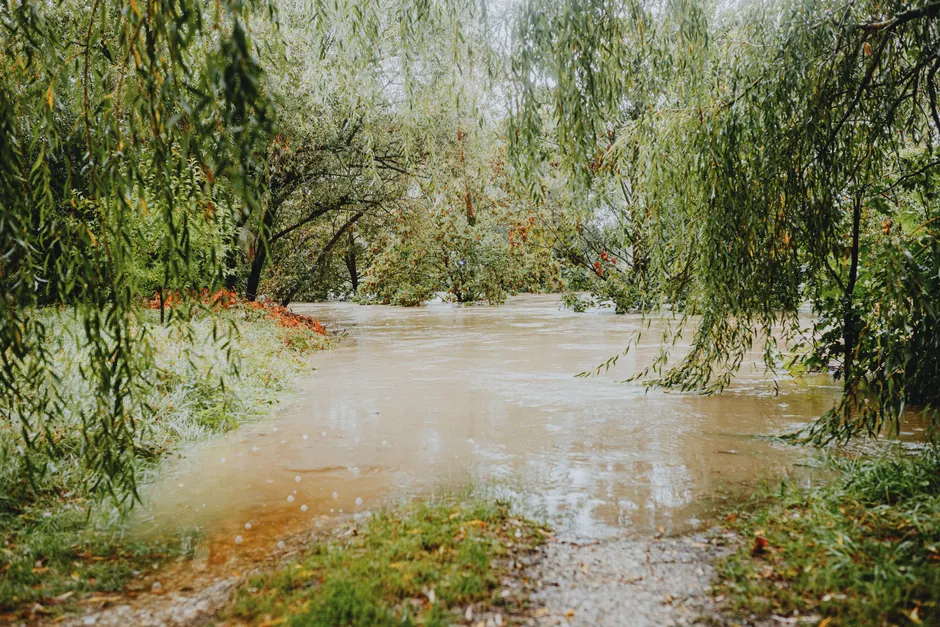
Chile declared a state of emergency on July 20, 2026, after a powerful storm dumped record amounts of rain on normally dry parts of the country. The resulting floods and mudslides have killed at least five people, cut off more than 99,000 residents from help, and forced thousands to evacuate. President José Antonio Kast announced the measure after evaluating the damage, and the Interior Ministry published the official announcement on its website the same day Chilean Ministry of the Interior.
BBC News reported on July 21 that five people have been confirmed dead, according to local mayors. Senapred, Chile's national disaster agency, said several people are missing and that thousands have been affected. Reuters reported on July 20 that nearly 2,000 people were affected and thousands evacuated. The difference in the numbers comes from how fast the situation was changing and how each organization counts "affected" people BBC News; Reuters.
The amount of rain was staggering. A weather station at Cerro Tololo, in the Coquimbo Region, recorded more than 200 millimeters of rainfall. Chile's weather authorities called it historic. That is a huge amount of water for a region that is normally very dry. Think of pouring a large bucket of water onto cracked, hard ground: the soil cannot absorb it fast enough, so the water rushes across the surface, sweeping dirt and rocks along with it. That is exactly what happened here. Hillsides gave way, causing landslides across Coquimbo and the neighboring Valparaíso Region, where Senapred had already reported mud and earth sliding downhill by July 18 Senapred, July 18.
The government focused its emergency response on three areas: Coquimbo, Huasco, and Tiltil. Senapred's July 19 update identified these as the most critical zones. Undersecretary of the Interior Máximo Pavez said the main priority was restoring roads and connections to the hardest-hit areas. That focus on reconnecting people tells you how bad the damage to roads and power lines was. Reuters had already reported widespread power outages and road closures across central and southern Chile by July 17, showing that the storm affected a much larger area than the emergency decree covered Senapred, July 19; Reuters, July 17.
The disaster built up over several days. By July 17, Senapred was warning of thunderstorms in Huasco and the area between Coquimbo and O'Higgins. That same day, Reuters reported three deaths and hundreds displaced, with the worst rain still to come. By July 18, Senapred confirmed landslides in Coquimbo and Valparaíso. The path from early warning to deaths to a full emergency decree is a pattern Chile has seen before. But having over 99,000 people cut off from help makes this disaster especially complex Senapred, July 17.
The "state of catastrophe" is a special power in Chile's constitution. It lets the president restrict people's movement, take control of private goods if needed, and spend money quickly without the usual bureaucratic steps. Chile has used it for major earthquakes, wildfires, and civil unrest before. Using it here means the government believes the damage is too great for local authorities to handle on their own.
The broader context is that Chile's dry northern and central regions are becoming increasingly vulnerable to extreme rain. These areas have very little plant life to hold the soil in place, so when a storm dumps huge amounts of water all at once, the ground cannot absorb it and the results are destructive. The Coquimbo and Atacama regions have seen disasters like this before, but the 200 mm of rain at Cerro Tololo and nearly 100,000 people cut off put the July 2026 storm among the worst to hit the area in years. The government's choice to focus early efforts on three areas spread far apart — Coquimbo on the coast, Huasco inland in the Atacama Desert, and Tiltil just north of the capital, Santiago — shows how wide the storm's reach was and how hard it is to deliver help when multiple regions are in trouble at the same time.
With people still missing and roads and power still being repaired, the full extent of the damage is not yet known. The coming days will test whether Chile's disaster agency can reach isolated communities, especially in the remote valleys of Huasco and Coquimbo, where difficult terrain and broken roads make getting help to people especially hard.