Uber vs. Waymo: The Fight Over Self-Driving Cars in Washington, D.C.

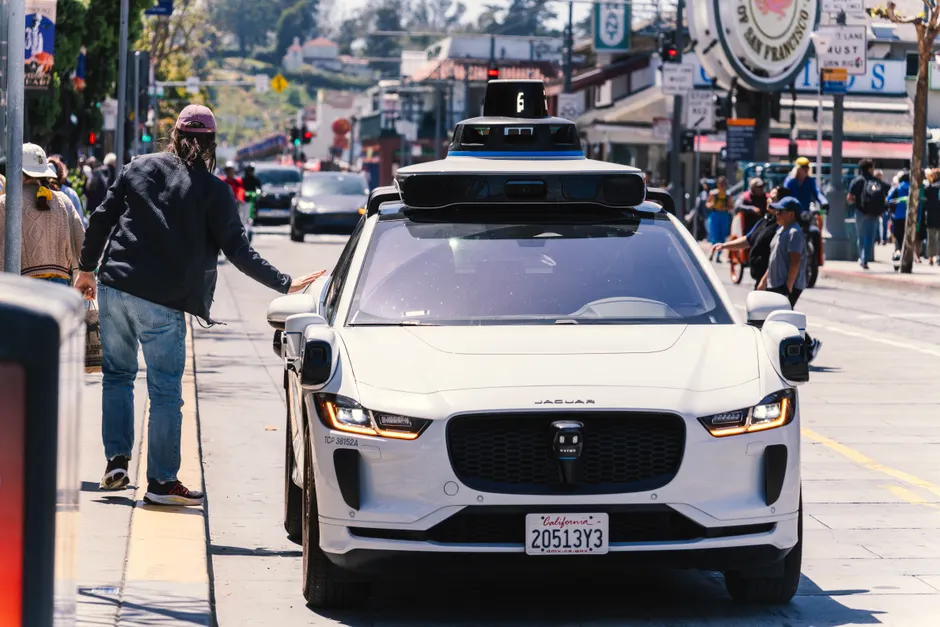
Uber is working to block a law in Washington, D.C. that would allow robot taxis to operate without human drivers — even though Uber's own partner company, Waymo, supports the law. The disagreement will play out publicly at a D.C. Council hearing scheduled for Monday, July 14, 2026 TechCrunch.
What the Law Would Do
The bill is called B26-0684. Right now in D.C., companies like Waymo must have a human safety driver sitting in the car while testing self-driving vehicles. This new law would change that rule.
Under the bill, D.C.'s Department of Transportation could approve companies to test and operate fully driverless cars. Companies would need $5 million in liability insurance and would have to report crashes to the city within 8 hours (for commercial fleets) or 72 hours (for personal vehicles) TechCrunch.
The law also includes a tax: robot taxis would pay 15 cents per mile they drive. The money would go toward public transit and job-training programs for human drivers who might lose work as driverless cars spread.
Why Uber Opposes It
Uber's argument boils down to two concerns: jobs and competition.
The company says one autonomous vehicle replaces roughly four human drivers. That claim comes from Javi Correoso, who handles policy and federal affairs for Uber. Correoso also told D.C. Council members that robot taxis create other problems — they sit idle or drive empty looking for riders, and they cannot help older or disabled passengers the way human drivers can.
But Uber's real strategic concern may run deeper. The company says it wants regulators to require robot taxis to share dispatch networks with human drivers. In other words, Uber wants to be the platform that sends out both driverless cars and human-driven ones. It has been clear that Uber wants this as a mandatory rule for all companies — not just an option for customers to choose.
Why Waymo Supports It
Waymo views the bill differently. The company already operates robot taxis through Uber's app in other cities. Waymo says the law would let self-driving technology deploy safely while helping the public through cheaper rides, better access in underserved areas, and programs to help displaced drivers find new work.
The two companies have a working partnership, yet they are now on opposite sides of a regulatory battle. That is an unusual position.
Broader Players and Pressure
This fight is not just Uber versus Waymo. Tesla, Lyft, the Teamsters union, and the Service Employees International Union are all watching or taking sides. The clock is also ticking — several parties want the bill passed before the end of 2026, before D.C.'s mayor, Muriel Bowser, leaves office in January 2027. That deadline compresses what might otherwise take longer into a race.
What Is Actually at Stake
Waymo has been pushing for this law because its original plan to launch in D.C. stalled. The company said in March 2025 it would bring robot taxis here in 2026; that did not happen. February 2026 reporting showed Waymo had increased its lobbying spending in D.C. after that delay.
At the federal level, Congress is also working on the SELF DRIVE Act (H.R.7390). If it passes, a federal agency would set the rules for self-driving cars nationwide and could override local laws that block or limit robot taxi deployment Congress.gov. That is still uncertain and could take time.
The Deeper Meaning
On the surface, this is a fight about whether D.C. allows driverless cars. But the conflict reveals something more fundamental about what role Uber wants to play in a robot taxi future.
Uber built its business as a middleman — a platform that connects drivers and passengers. If Waymo and other companies can operate their own branded apps and deal directly with customers, Uber loses that middleman position. That is why Uber wants regulators to require all robot taxis to work through shared platforms like its own. Waymo, on the other hand, has less reason to need Uber's platform once it can run its own app.
In this author's view, the real question worth watching is whether Uber's idea — that robot taxis must share dispatch networks with human drivers — gains traction in other cities. If it does, it would fundamentally change how the self-driving car industry competes, and it would protect Uber's business model longer than it might otherwise survive. The outcome in D.C. matters less than whether this template spreads.
The broader context here is that robot taxis have arrived faster than regulators expected. Laws written in 2012 did not anticipate this world. Cities, states, and Congress are all trying to catch up at the same time, and the companies shaping those rules will influence the industry's structure for years to come.