US Cuts Off Iran's Ports, Breaking Peace Deal Just Made
The United States has blocked Iran's ports from shipping and receiving goods — reversing an agreement signed just three weeks earlier that was supposed to ease tensions between the two countries.
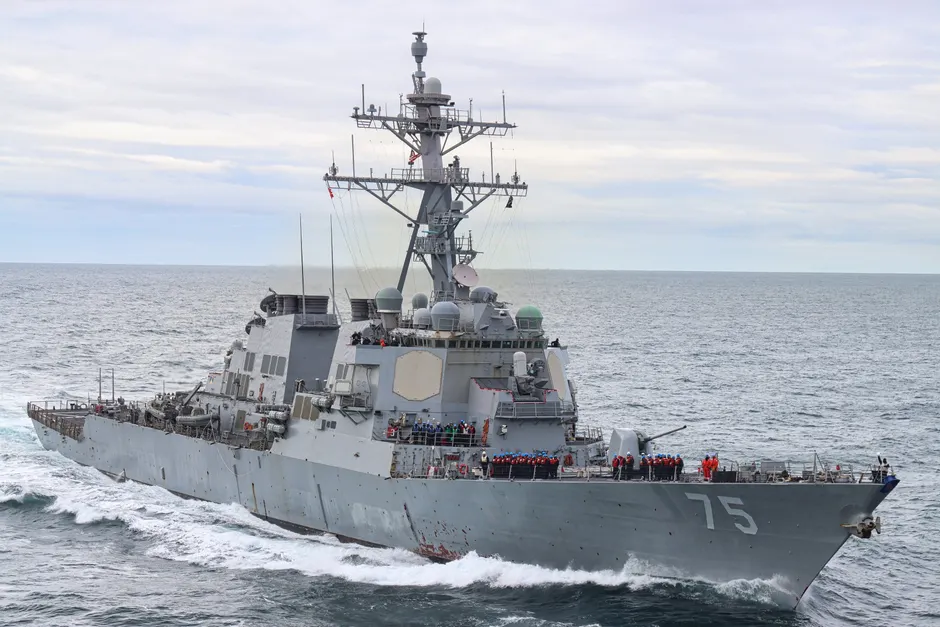
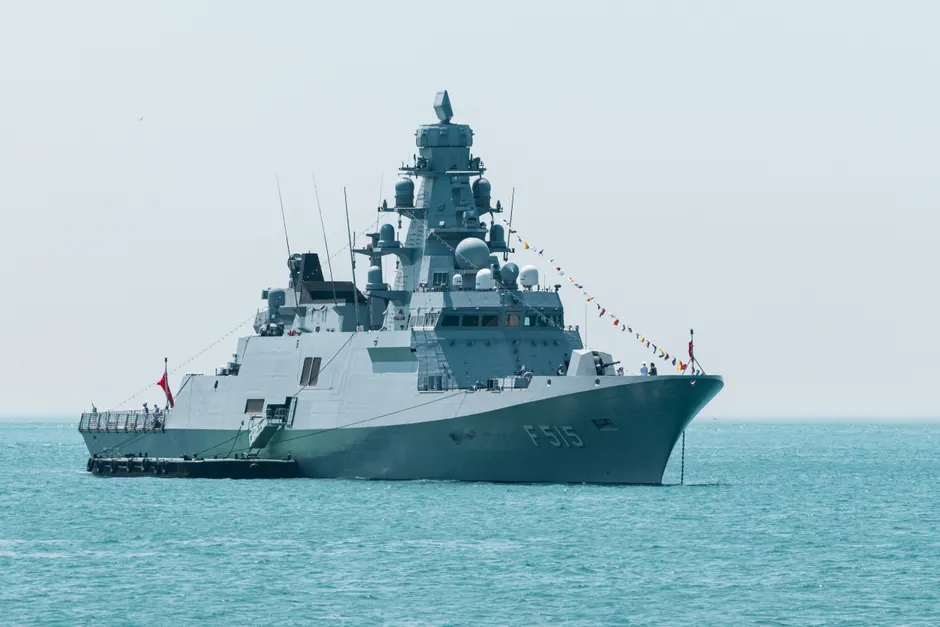
On July 14, the US military announced it was starting the blockade again. This means American ships are preventing cargo vessels from entering or leaving Iranian ports and coastal areas. The US says it did this because Iran attacked commercial ships traveling through the Strait of Hormuz, a narrow waterway between Iran and the Arabian Peninsula that handles much of the world's oil trade Al Jazeera.
Here is what happened before: On June 17, President Trump and Iranian President Masoud Pezeshkian signed a peace agreement — a document with 14 main points that both sides said would lead to a final settlement. One key promise: the US would immediately start removing its blockade BBC. The White House celebrated this agreement, saying it would open shipping lanes and prevent Iran from getting nuclear weapons White House, June 2026.
Then came this month. Iran's Deputy Foreign Minister said on Tuesday that the agreement is no longer valid Al Jazeera. He did not explain which side broke it first — whether it was the US restarting the blockade, the US military strikes that came before, or Iran's attacks on ships.
Iran responded with a serious threat. The Revolutionary Guards said that energy exports from the Middle East should be "either for everyone or for no one" Al Jazeera. This is not just about Iran — it means Iran could try to block oil and gas from other Gulf countries too. The Strait of Hormuz is a chokepoint where huge amounts of the world's oil pass through, so disrupting it would affect many countries.
This blockade was not brand new. The US first used it in April, and at that time Trump personally announced it as part of his approach to Iran policy White House, April 2026. This time, the military announced it without a direct statement from the President. Before the restart, in June, the State Department had warned India — a big buyer of Iranian oil — that breaking the blockade would not be tolerated State Department. And in early July, before the blockade officially restarted, US officials told reporters that Washington was preparing to demand Iran promise to stop attacking ships in Hormuz Reuters.
What matters now is that a peace deal signed three weeks ago has unraveled. Both sides are blaming each other for breaking it first. Iran is now threatening something that could hurt the whole world's energy supply, which means other countries may get drawn into this conflict whether they want to be or not.