Canadian Wildfires Are Filling the Sky With Smoke — Here's What's Going On
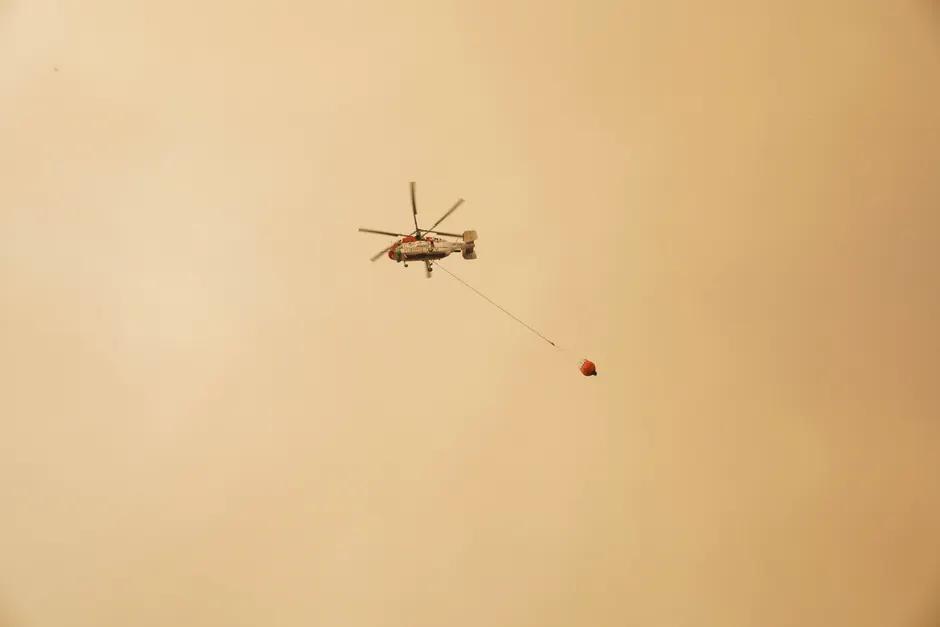
On July 16, 2026, smoke from hundreds of wildfires in Canada spread across Ontario and drifted toward northern US states. The Canadian Interagency Forest Fire Centre (CIFFC) reported that 838 wildfires were actively burning across the country. Some of the largest fires were concentrated in west-central Ontario BBC News ABC News.
The smoke made air quality dangerous very quickly. Environment Canada reported a 'High' risk on its Air Quality Health Index for Toronto. This index rates air quality from 1 (low risk) to 10+ (very high risk), so a 'High' rating means people should limit outdoor activity. Smoke drifting from northwestern Ontario blackened skies across the city and made it hard to see. Reuters reported that conditions were so bad that Toronto had what the wire service called the world's worst air quality on July 15, 2026 Reuters. Environment Canada also issued an air quality alert for Haliburton-Minden, noting that poor air quality from the smoke extended into eastern Ontario. The provincial Air Quality Health Index summary was issued at 5:00 PM EDT on Wednesday, July 15, 2026.
The smoke also crossed into the United States. It spread into the northeastern US, making air quality worse across the Great Lakes region and New England. In affected areas, the smoke turned the sun a fiery orange color and made skies look yellow Fox Weather USA Today. Reuters had reported 835 active wildfires on Wednesday, July 15; CIFFC updated that number to 838 by July 16.
CIFFC publishes regular reports that track how prepared the country is, how many fires are burning, and where firefighting resources are being sent. During fire season, the agency updates its Mobilization Stats page every day with graphs showing things like how many aircraft are deployed. These tools help officials track where help is needed most as fires spread across provinces CIFFC.
The broader context here is that large wildfire events keep happening, and they strain firefighting resources and create environmental problems that cross borders. The number of active fires going from 835 to 838 in a single day shows how fast the situation is changing and how much pressure agencies are under. Think of the smoke like a cloud of tiny particles — too small to see individually, but thick enough to change the color of the sky and the sun when millions of them fill the air. Those particles, called particulate matter, can get deep into your lungs and cause serious breathing problems. When air quality indices reach 'High' risk levels in big cities like Toronto, it means the smoke is carrying enough of these particles to trigger health warnings and disrupt daily life.
Looking at what this means going forward, the fire season's intensity will test how well Canadian and US agencies can respond. With hundreds of fires burning at the same time and smoke crossing international borders, the situation requires close coordination between CIFFC, Environment Canada, and US weather and environmental agencies. Daily updates on firefighting resources, including aircraft deployment, will be essential for managing shortages. As long as the fires in Ontario keep burning, smoke will continue to affect air quality forecasts across the region, meaning public health agencies will need to keep issuing warnings and adjusting their emergency plans.


