The U.S. Is Bombing Iran Every Night — Here's Why It Matters

For six nights in a row, the U.S. military has been carrying out airstrikes against Iran. As of July 17, 2026, the strikes had moved beyond military bases to hit bridges, train stations, and airports in southern Iran's Hormozgan province. The most recent attacks focused on the area around Bandar Abbas, Iran's biggest port, and the nearby city of Bandar Khamir. Reuters
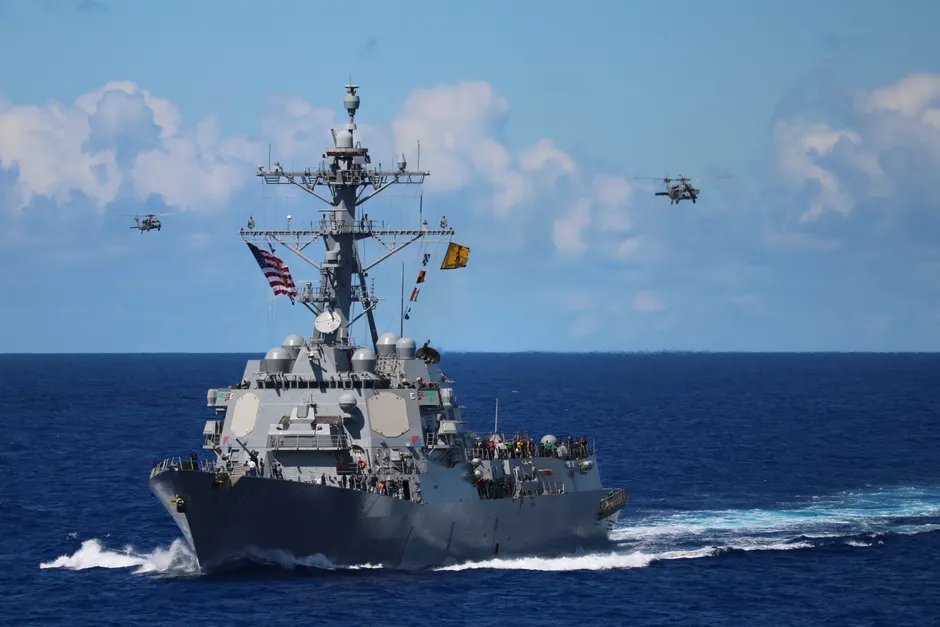
The attacks escalated after President Donald Trump reimposed a naval blockade on all Iranian ports on July 14. A naval blockade means warships stop vessels from entering or leaving a country's ports. Trump also threatened to strike power plants and bridges in the coming days. Reuters Two rounds of U.S. strikes on Iran's coastal defenses and missile sites followed on July 15. Reuters
By July 16, the strikes had shifted to transportation infrastructure. U.S. attacks hit three bridges and the train station in Bandar Khamir. A separate missile strike targeted Iranshahr Airport. Iranian state media said the overnight strikes also hit an airport and a railway station. The Guardian Reuters, citing Iran's state news agency IRNA, reported seven people killed in the attacks on Bandar Khamir's bridges. Reuters
The governor's office of Hormozgan province confirmed that several bridges in southern Iran were hit in the latest round of strikes. CNN NBC News and the Associated Press both reported that the U.S. campaign expanded to target bridges and the port of Bandar Abbas in what amounts to a battle over the Strait of Hormuz. NBC News AP
Iranian officials said the U.S. strikes have killed dozens of people and wounded hundreds of others. AP Iran's army also confirmed that at least seven Iranian military personnel were killed in a U.S. strike on a base in Bampur, in southeastern Iran. BBC
The U.S. has maintained the naval blockade on Iranian ports since at least April 2026. That blockade has already involved stopping and searching commercial ships suspected of trying to reach Iran. On April 28, a commercial ship was suspected of attempting to reach Iran in the Arabian Sea. U.S. forces conducted additional operations related to a suspected blockade violation on July 1. CENTCOM
The U.S. defense budget request for 2026, published in July 2025, referenced continued military operations related to attacks by Iran-backed Houthi forces. That indicates the current campaign builds on military spending and planning already in place for the region. DoD Comptroller
The broader context here is that the shift from a port blockade in April to nightly bombing in July shows a step-by-step escalation. By targeting bridges, train stations, and airports around Bandar Abbas, the U.S. appears to be trying to cut off Iran's ability to move goods and military supplies through its main port. Bandar Abbas handles most of Iran's shipping container traffic and sits on the Strait of Hormuz, a narrow waterway through which about a fifth of the world's oil supply travels. If the roads and railways connecting the port to the rest of Iran are destroyed, even goods already in the country cannot easily be distributed, compounding the economic pressure of the blockade.
The strike on Bampur, located far from the port area, suggests the U.S. is also pressuring Iran's military in the southeast, where Iran keeps forces near its borders with Pakistan and Afghanistan. Whether the U.S. is running one coordinated plan or two separate campaigns with different goals is not clear from the available reporting.
Iran has called the Strait of Hormuz a "red line," meaning it considers any threat to the strait unacceptable and may respond forcefully. Reuters That matters because closing the strait would disrupt a shipping route that no oil-importing country can easily replace. The blockade of Iran's ports, by contrast, only affects ships heading to Iran. These are two very different things. If Iran tries to shut the strait to all shipping, countries that depend on oil passing through it could be drawn into the conflict. If Iran limits its response to direct military exchanges with the U.S., the conflict may stay between the two countries.
One thing that remains unclear is the condition of Iran's coastal defenses after the July 15 strikes. The U.S. said it targeted coastal defenses and missile sites. If those defenses were damaged, enforcing the naval blockade becomes easier for U.S. Navy ships. But Iran could still retaliate using less conventional tactics, such as sending swarms of small fast boats to attack larger vessels or planting naval mines in the water. A Defense Department webpage tagging the "Strikes Against Iran" article under its Navy section indicates that naval forces are playing a central role. DoD
The campaign shows no sign of slowing down. Six nights of strikes, an active port blockade, destroyed infrastructure, and a presidential threat to hit power plants all point to goals beyond sending a warning. What those goals are, whether they include pushing for a change in Iran's leadership or negotiating a deal on maritime access, is not visible in the public record.