Why So Many Palestinians Wanted Spain to Win the World Cup

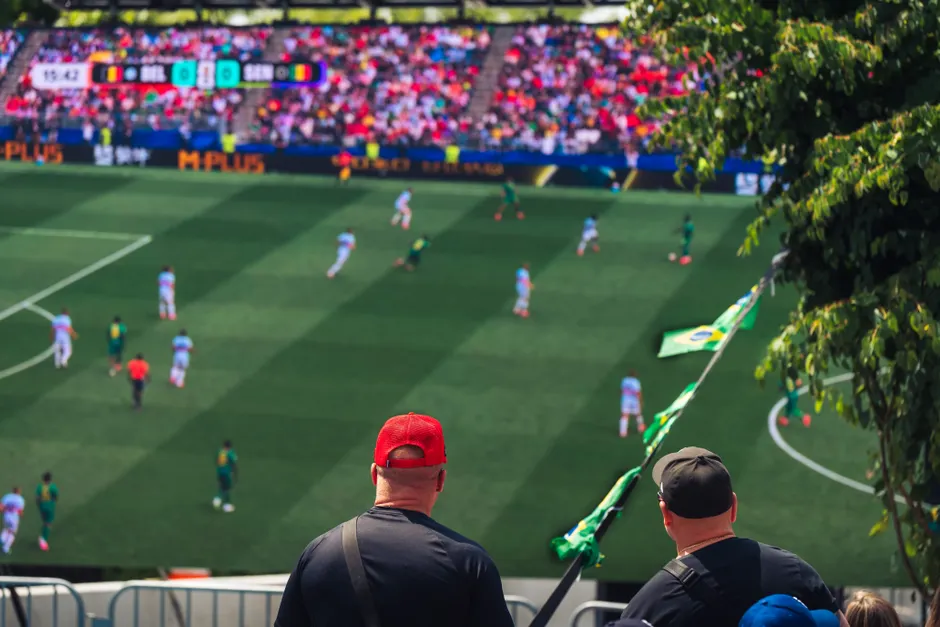
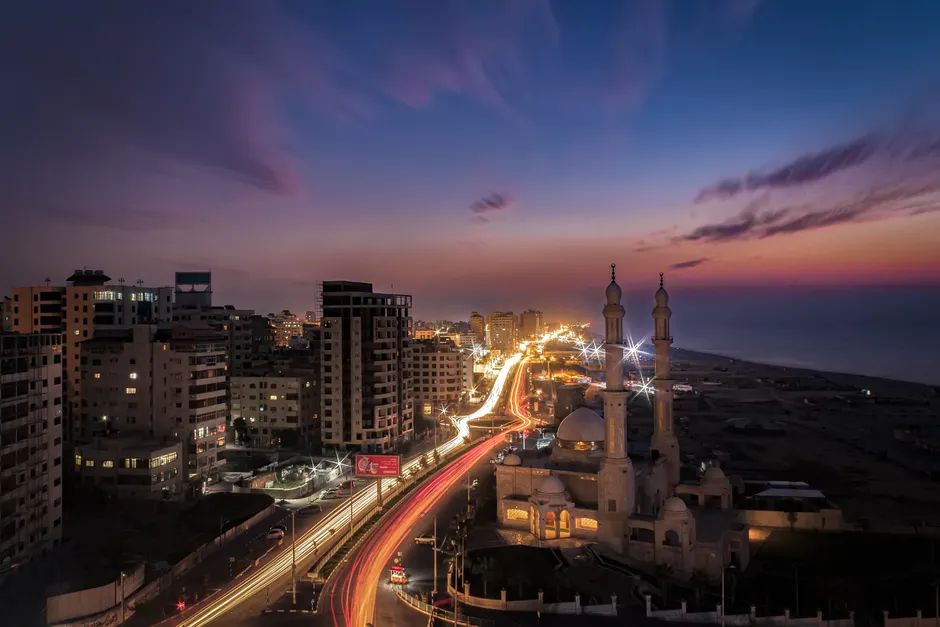
On July 19, 2026, Spain and Argentina faced off in the FIFA World Cup final. In Gaza City, crowds rooted for Spain — not because of how the team plays, but because of what Spain's government has done for Palestine during Israel's war on Gaza.
Al Jazeera reported from Gaza City that many residents supported Spain in the final. They pointed to the Spanish government's stance during the conflict and gestures of solidarity from Spanish athletes. Ahmed al-Bozm, a 33-year-old Palestinian, told Al Jazeera he backed Spain specifically because of the government's position on Palestine. Al Jazeera photojournalist Abdelhakim Abu Riash photographed the story.
In May 2024, Spain officially recognized Palestine as a country. Spanish Prime Minister Pedro Sánchez said the goal was to support a "two-state solution" — the idea that Palestinians and Israelis should each have their own independent states. He also said it could help end the humanitarian crisis in Gaza. Since then, Spain has kept criticizing Israel's military operations. Barcelona star Lamine Yamal waved the Palestinian flag during a celebration parade after winning Spain's league championship in May 2026. Al Jazeera reported that this gesture strengthened pro-Spain feeling among Palestinian fans.
The football setup in Gaza is barely holding together. Adnan al-Afifi, a 37-year-old former footballer who runs Palestine Stadium in Gaza City, organized World Cup-themed exhibition matches at the Palestine Sports Club. As of July 2026, it was reportedly the only football club still open and available to players in the entire Gaza Strip. Two fake World Cup matches were played there — one on Thursday, July 17, and one on Saturday, July 19 — with referees and even a pretend video replay system. Hatem al-Maghribi, head coach of Gaza's amputee football team, Gaza al-Ir, took part too. His involvement shows how the conflict has changed who plays the sport, since some athletes have lost limbs.
Support for Spain went beyond Gaza. Al Jazeera reported on July 18 that Arab American communities in Brooklyn's "Little Palestine" neighborhood were also cheering for Spain. Another Al Jazeera sports article on July 19 said "Spanish style" was winning over hardcore fans in New York, and a video showed Spain fans celebrating in New York's streets before the game.
The final itself was scheduled for 7:00 p.m. local time on July 19 at the tournament hosted by Canada, Mexico, and the United States. Al Jazeera reported that Spain was the favorite, based on a prediction model by Opta, a sports data company. FIFA's statistics painted the matchup as two different strengths: Argentina had scored 19 goals in the tournament, while Spain had scored 13. Argentina had given up 7 goals, while Spain had the strongest defense in the tournament. Spain's coach, Luis de la Fuente, had talked about whether to use man-marking — a tactic where defenders shadow specific opposing players — and his team was built on solid defense. FIFA's Technical Study Group, including Gilberto Silva and Tobin Heath, was assigned to study the final.
The broader context is that in Gaza, football loyalties have long doubled as political statements. But this final made that connection unusually strong. Spain's recognition of Palestine, Sánchez's call for a two-state solution, and Yamal's flag-waving all merged sporting support with diplomatic gratitude in a way few World Cup finals ever do. The fact that Gaza's football community — working from what is reportedly the last open club in the Strip, with amputee athletes playing — staged matches with referees and a fake replay system shows how football becomes a way to feel normal and express togetherness under extremely difficult conditions. The matching enthusiasm in Brooklyn's Little Palestine shows this mix of football and politics traveled with Palestinians who moved abroad. They backed a team not for its playing style, but for what its government chose to do.
What makes this moment different from the usual overlap of sports and politics is how specific it was. Spain did not just offer words of support. It took a real diplomatic action — recognizing Palestine as a state — and that decision shaped who people cheered for, both in a war-torn territory and in a neighborhood in New York. Whether that sympathy lasts beyond the tournament is a separate question. But on July 19, 2026, the connection was clear.