What Happened When an Airstrike Killed a Family in Gaza City

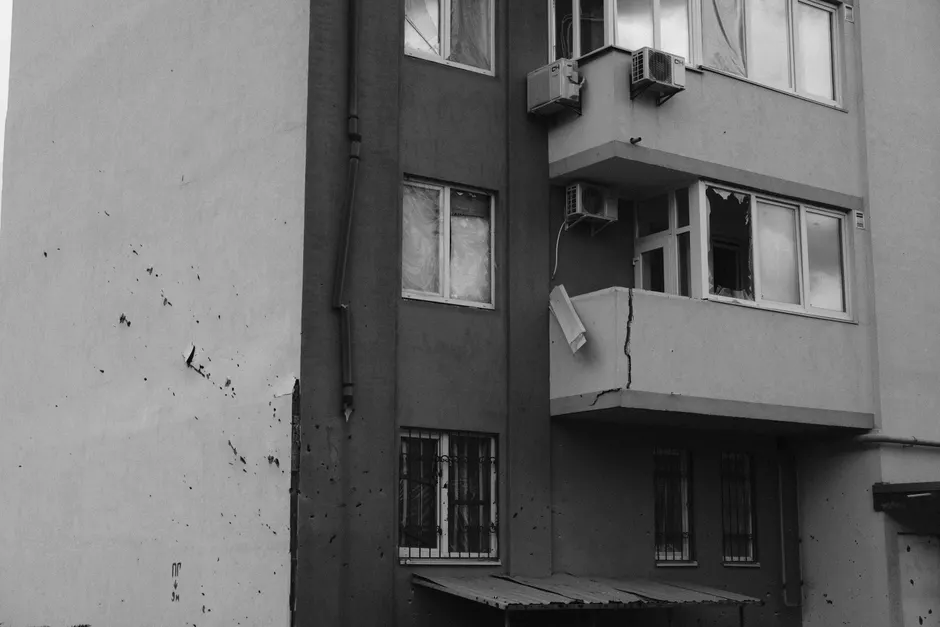
An Israeli airstrike hit a family apartment in a neighbourhood of Gaza City called al-Sabra on Tuesday, July 21, 2026. The strike killed six members of a single family, according to local medics. BBC
The dead include Firas al-Masri, who was burnt to death along with his wife, Salsabeel, and their four children, according to his brother, who spoke to the BBC. The four children were three daughters — Faryal, Salma, and Amira — and a son named Naim. The family's apartment was on fire overnight following the strike. BBC
The Israeli military said its target was a member of Hamas, the Palestinian group that controls Gaza. It said it was still looking into the results of the attack. No further detail on the intended target's identity has been released. BBC
Reuters, a major international news agency, reported the story from Gaza City on July 21, 2026, and carried on-the-ground photography from photographer Dawoud Abu Alkas. Reuters Al Jazeera's report on the strike credited Agence France-Presse (AFP) for details about the strike on the apartment in the Sabra neighbourhood. Al Jazeera Arab News and U.S. outlets WTVB and KFGO also reported the same date and casualty count. Arab News WTVB KFGO
The Israeli military has, separately, dropped thousands of leaflets over Gaza urging civilians to move south of a geographic line called Wadi Gaza, which divides the territory into a northern and southern half. Israeli security agents have also called and texted people directly to warn them of the risk of staying in areas north of that line. IDF The dates of these evacuation measures are not specified in the available reporting, and it is unclear whether they directly preceded the July 21 strike on the al-Masri apartment.
The broader context here matters for understanding what happened. The al-Sabra neighbourhood is in Gaza City, which is north of Wadi Gaza — the area the Israeli military has told civilians to leave. Whether the al-Masri family had received or could meaningfully act on evacuation warnings before the strike is not established in the reporting. The gap between large-scale evacuation messaging and the reality of families killed inside their own homes is one of the central tensions in this conflict.
The Israeli military's statement that it is still investigating the results of the attack leaves open the question of whether the civilian deaths were an unintended consequence of targeting a single Hamas member, or whether the strike caused more harm to civilians than was expected. The military has not yet disclosed the operative's name, role, or the intelligence behind the strike. The al-Masri family's deaths, verified through both local medical sources and a direct family account to the BBC, are the confirmed human cost.
Several international news agencies — Reuters, AFP, and BBC among them — were still reporting from or near Gaza City on the day of the strike, which is notable because press access to Gaza has been severely limited throughout the conflict. Reuters's Gaza City dateline on July 21 indicates at least one news service was filing from inside the territory.
For those following the conflict, the al-Sabra strike follows a pattern seen throughout the war: Israeli military operations in crowded neighbourhoods of northern Gaza, where the military has told civilians to leave while also carrying out strikes in the same areas. That tension — warning people to get out while bombing the neighbourhoods where they still live — is not new. But each incident adds to a growing record that international observers, humanitarian groups, and legal bodies are examining under international humanitarian law, the rules that govern how wars are fought. Those rules include the principle of distinction, which says armed forces must tell the difference between fighters and civilians, and proportionality, which says the harm done to civilians must not be too great compared to the military goal being pursued. The al-Masri family's case, with six named dead including four children, is likely to receive scrutiny under that framework, especially since the Israeli military itself says the investigation is ongoing.