India's 'Cockroach' Protests: Why Young People Are Marching and What the Government Just Said

Prime Minister Narendra Modi on July 23, 2026 spoke publicly for the first time about a protest movement in India known as the "cockroach" movement. He said he would create special courts — called fast-track courts — designed to handle cases quickly, so that officials who leak exam papers get punished faster. In a statement on X, Modi wrote: "Nothing is more important than the welfare and future of our youth … Those who try to harm the future of our youth will not be spared" (The Guardian).
In India, millions of young people compete for government jobs and college seats by taking exams. When someone leaks an exam paper before the test, it gives some people an unfair advantage and undermines trust in the whole system.
The group behind the protests, called the Cockroach Janta Party (CJP), turned down Modi's offer right away. Their demand has not changed: Education Minister Dharmendra Pradhan must resign. CJP leaders have met with government ministers only once in over sixty days — a meeting with Health Minister J. P. Nadda that produced no results. CJP founder Abhijeet Dipke said the movement will not go to the government; ministers must come to the protest site and talk publicly. Government ministers say they are willing to talk but refuse to discuss Pradhan's resignation.
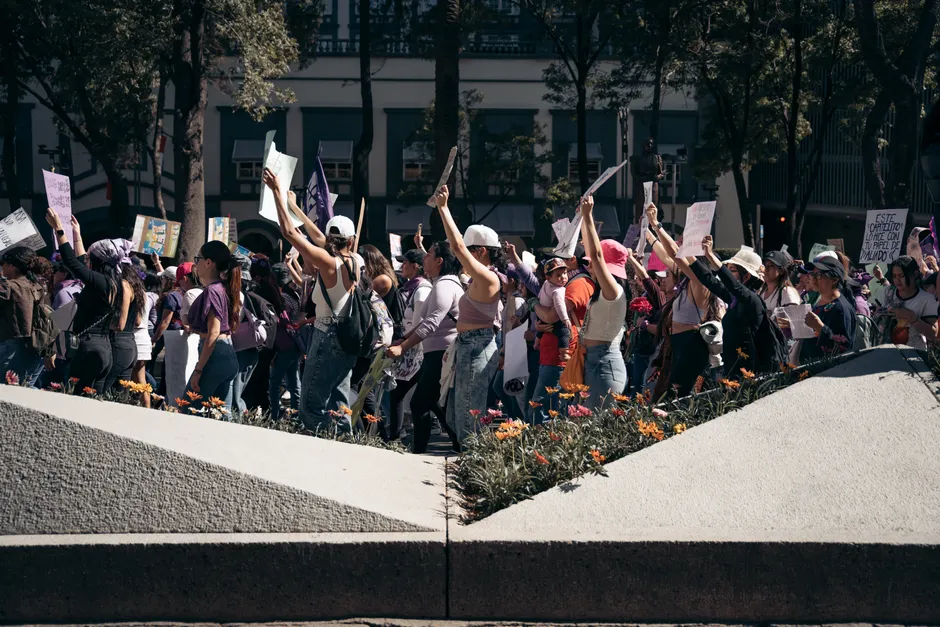
The movement's unusual name comes from India's top judge, who once called unemployed young people "cockroaches." That insult became a rallying cry. On July 20, an estimated 50,000 protesters gathered in Delhi. Police denied permission to march on parliament and then used baton charges and teargas to push them back. By July 22, more than 1,000 protesters were still camped at Jantar Mantar, a public protest site in central Delhi.
Opposition leader Rahul Gandhi added to the pressure by demanding Pradhan's resignation and an apology from Modi for failing to deliver a fair education system. Gandhi pointed to a striking number: India has seen 152 exam paper leaks over the past decade without a single conviction.
The broader context here is a standoff where both sides have drawn lines they refuse to cross. The government will not remove Pradhan but offers fast-track courts and dialogue instead. The CJP will not accept anything less than Pradhan's resignation. Think of it like a labor dispute where the workers demand the manager be fired, but the company offers a new complaint process instead — the two offers simply don't meet.
Modi's choice to speak now, after more than sixty days of protests, is worth thinking about. His announcement came after large crowds gathered, police used force, and opposition politicians started echoing the CJP's demands. The fast-track court pledge targets the officials who leak papers, but the CJP is asking for political accountability — someone in charge taking responsibility. For a movement that already turned down a private meeting with a minister, a social-media post promising future courts may not feel like enough.
Gandhi's statistic of 152 leaks with zero convictions, if accurate, makes the challenge sharper. It suggests that for ten years, the system has not held anyone accountable. The CJP's demand that ministers negotiate publicly at the protest site, rather than behind closed doors, points to a strategy: keeping the conversation where the public can see it.
Neither side has shown willingness to step back from its position. The CJP remains camped at Jantar Mantar. The government says it will talk, as long as Pradhan's resignation is off the table. Modi has spoken. The protest movement has answered.