India's Leader Promises Quick Courts for Exam Cheating After Huge Protests

Indian Prime Minister Narendra Modi promised on July 23, 2026, to create special fast-track courts — courts that handle cases much faster than normal ones — to punish people who leak exam papers before the test happens. He made this promise after huge protests brought tens of thousands of people to central New Delhi and forced 16 metro stations to shut down around the protest area. Al Jazeera
Modi announced the plan on X, writing: "We have decided to set up fast-track courts to ensure swift and stringent punishment for those involved in paper leaks." He added: "Nothing is more important than the welfare and future of our youth!" India's Press Information Bureau released a matching statement from the Prime Minister's Office titled "Prime Minister announces fast-track courts for paper leak cases to safeguard the future of youth." PIB
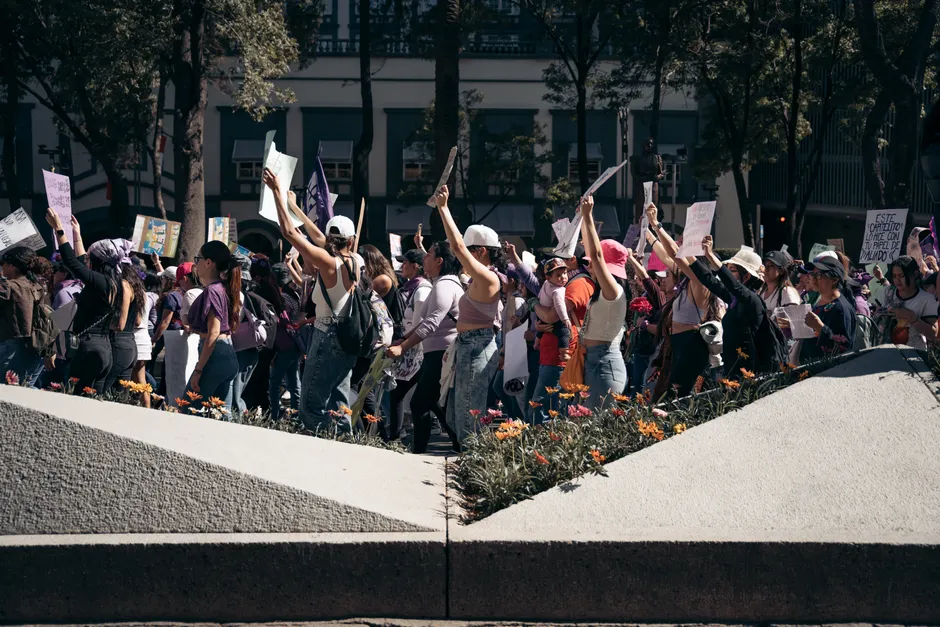
The protests started because of reported cheating in India's national medical school entrance exams. Protesters occupied Parliament Street, a major road connecting Parliament House to Connaught Place, for three days. Al Jazeera reporter Neeha Poonia said tens of thousands of people marched to Parliament on Monday, July 20. Police used tear gas and batons against the marchers that day. Smaller protests happened on Wednesday, July 22, in Mumbai, Bengaluru, and Patna. Al Jazeera
The protests are organized by a group called the Cockroach Janta Party (CJP). It started as a joke online in May 2026 but grew into a national movement demanding changes to the exam system and the firing of Education Minister Dharmendra Pradhan. The group's founding president is Abhijeet Dipke. Al Jazeera
CJP spokesperson Ashutosh Ranka called the fast-track courts proposal "merely a distraction" and blamed Pradhan for the paper leaks, saying he "has been completely incompetent." Dipke posted on X that Modi seemed "ready to shut down all of Delhi, but not sack Dharmendra Pradhan." Al Jazeera
The CJP wants more than just Pradhan's firing. The group is also asking the government to drop legal cases against peaceful protesters and to give 10 million rupees (about $120,000) to each family of at least 12 students who died by suicide after recent exam cancellations. Al Jazeera
Dipke said outside troublemakers started violence to make the protest look bad. Reuters reported on July 16 that an Indian court told authorities to step in if a hunger-striking activist in New Delhi got worse, showing that hunger strikes have been part of the protest movement. Reuters
The government's response has been massive. Shutting down 16 metro stations effectively blocks off a large part of central Delhi, limiting movement near Parliament House and the Connaught Place shopping district. This level of lockdown is usually saved for serious security threats. Using it against a movement that started as an internet joke shows how fast the CJP went from an online novelty to a real force that can shut down the capital.
The broader context here is a crisis of trust in India's exam system. Medical school entrance exams in India control who gets into one of the country's most respected and well-paid careers. When people think those exams are unfair, anger naturally turns toward the political leaders in charge. Pradhan, as Education Minister, has become the main target. Modi's fast-track courts deal with punishment for people who leak papers, but they do not address the bigger changes to the exam system that the CJP is demanding.
The gap between what the government offered and what protesters want will likely decide whether the protests grow or fade. The CJP called the courts proposal a distraction, which signals its leaders do not plan to stop because of this announcement. With protests already spreading to other cities and a court monitoring a hunger-striking activist, the situation could still escalate. The government's next steps, whether more concessions or a tougher security response, will show whether this promise is the start of a real effort or all the government plans to do.