Yemen's Houthis Announced a Naval Blockade on Saudi Arabia: Here's What's Going On

On July 20, 2026, a group called the Houthis, who control part of Yemen, announced a naval blockade on Saudi Arabia. A naval blockade is when a military force tries to stop ships from entering or leaving another country's ports. Within days, real effects followed: ships turned away from Saudi ports, the cost of insurance for ships in the area went up, and the shipping industry had to figure out how to deal with a new danger in the Red Sea.
The announcement was made by Houthi military spokesperson Yahya Saree. A resident of Sanaa, the capital of Yemen, confirmed watching him deliver it. The news was reported by Reuters and the BBC. The BBC noted that the Houthis said the embargo "begins immediately." Saudi Arabia condemned the threat the same day, and the Saudi-led coalition called the blockade a violation of international law, according to Reuters.
On July 22, the Houthis said they had attacked two Saudi ships, as reported in an Al Jazeera feature published July 23. The day before, July 21, Reuters reported that the Houthis had emailed shipping companies directly, warning them not to load or unload cargo at Saudi ports or risk being targeted. This direct contact with shipping companies made the threat more specific and immediate.
The Houthis say the blockade is retaliation. They accuse Saudi Arabia of keeping its own blockade on the parts of Yemen the Houthis control, including ports and airports, according to both Al Jazeera and the BBC. The Saba news agency, which is run by the Houthis under the name "Government of Change & Construction," has previously described the broader maritime embargo campaign as "successful, effective, and influential" and noted that the port of Umm al-Rashrash (Eilat) remained closed as a result.
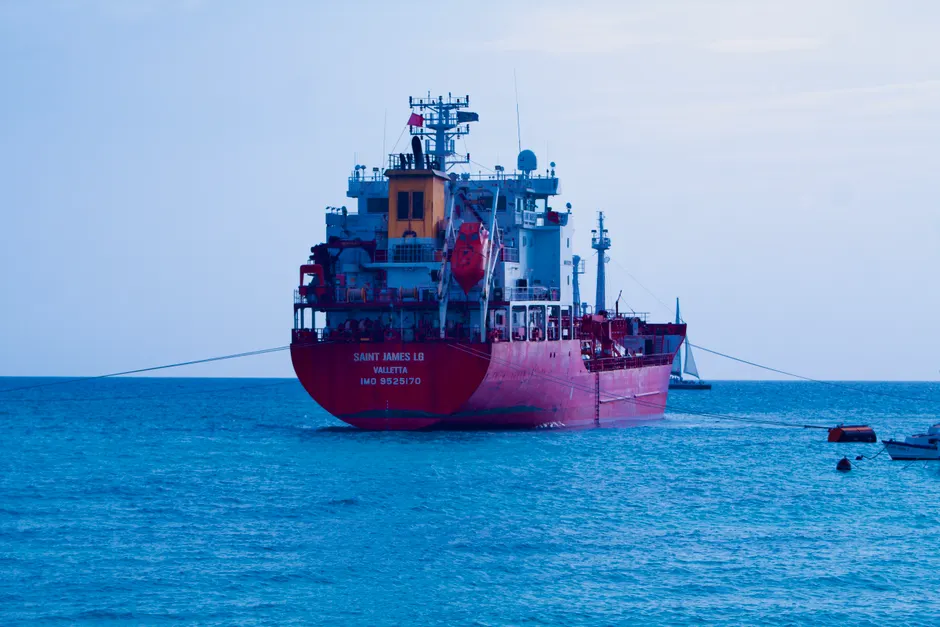
Ships reacted quickly. The Washington Post reported on July 21 that ships headed for Saudi Arabia were turning around in the Red Sea. Windward, a company that tracks shipping data, issued a report the same day showing ships changing course because of the blockade. Insurance industry sources confirmed to Reuters that the cost of war insurance for ships in the Red Sea went up after the July 20 announcement. War insurance is a special kind of coverage for ships sailing through dangerous areas; when the risk goes up, so does the price.
Al Jazeera's July 21 coverage noted that the blockade opened "a potential new front against the US," placing the Saudi-focused embargo within the broader pattern of Houthi attacks that have already disrupted shipping through the Red Sea and the Bab el-Mandeb Strait, a narrow waterway that connects the Red Sea to the Indian Ocean. The targeting of Saudi Arabia specifically, however, narrows the focus to the Houthi-Saudi relationship rather than the wider campaign against ships linked to Israel or Western countries.
The broader context here is a situation that keeps escalating. The Houthis have shown they can and will target commercial ships, and the July 22 claim of attacks on two Saudi ships suggests the blockade is not just words. The email warnings to shipping companies create pressure: vessel operators and insurers now have less time to make decisions, and the threat is already affecting costs and routes. For Saudi Arabia and its neighbors, the blockade brings the danger directly to the kingdom's oil exports and supply chains, rather than just disrupting shipping routes indirectly as in earlier phases of Houthi naval activity. Saudi Arabia's condemnation and the coalition's appeal to international law suggest a diplomatic response, but the situation on the water is already changing.
What bears watching is whether the Saudi-led coalition goes beyond condemnation and responds militarily, whether ships keep rerouting and insurance stays expensive, and how the US and its allies adjust their naval presence in a waterway that is already under strain. The Houthis have sent a clear signal that they are escalating. The next moves from Saudi Arabia, Washington, and the shipping industry will determine whether this stays a focused threat between two parties or becomes another major disruption to trade in the Red Sea.