Why Young Indians Are Protesting Over a Leaked Medical Exam

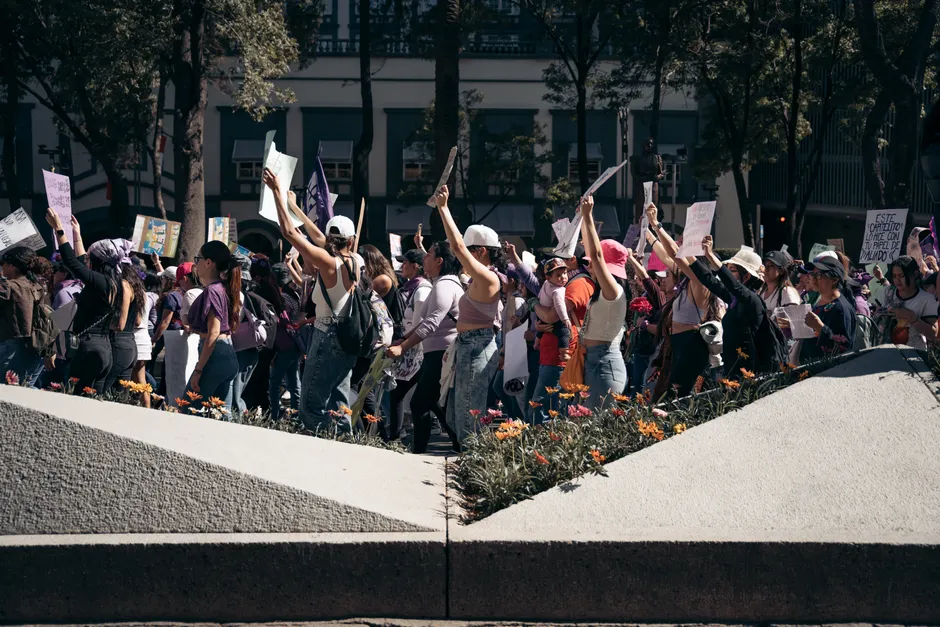
On July 20, 2026, thousands of young people marched toward India's Parliament in New Delhi, even though police had banned the gathering. They were demanding answers after someone leaked the answers to a major medical school entrance exam, and they wanted a top government official to step down. The movement calls itself "Cockroach," and it is led mostly by Gen-Z protesters. NPR
The leak happened in May 2026. It affected the NEET-UG exam, which is the test students must pass to get into medical school in India. Over two million students take this exam every year. Getting a good score can change a family's life, so the stakes are extremely high. After the leak, more than a dozen students died by suicide, according to reporting from July 24, 2026. Reuters The government offered each bereaved family 10 million rupees, which is about $104,000. Reuters
The protests turned violent. Clashes between protesters and police in Delhi injured 180 people. A youth group organizing the demonstrations said protests would continue even after leaders met with government officials. Reuters More violence broke out on July 23 as demonstrators again demanded a minister's resignation. Reuters
Education Minister Dharmendra Pradhan resigned in connection with the protests, as reported by Reuters on July 20 and July 21. Reuters The marchers' demand for an official to resign appears to have been aimed at Pradhan.
Prime Minister Narendra Modi spoke publicly about the crisis for the first time on July 23, 2026. He promised to set up fast-track courts, which are special courts designed to move cases through the legal system quickly, to punish people involved in exam paper leaks. Al Jazeera
Activist Sonam Wangchuk ended a 26-day hunger strike in late July 2026 over the leaked exam papers. Reuters His fast, lasting nearly four weeks, added pressure from a well-known figure to a movement mostly driven by first-time young protesters.
The bigger picture is that this crisis is about trust. When a leaked exam compromises a test that over two million students take every year, it does not just make the rankings unfair. It shakes people's confidence in the whole system that decides who becomes a doctor in India. The student suicides after the leak show how much pressure young Indians feel. A single exam result can shape years of a student's future and a family's finances.
Modi's promise of fast-track courts focuses on punishing the people who leaked the paper. But it does not fix the weak spots in how the exam is run that allowed the leak to happen in the first place. It also does not directly answer the protesters' call for political accountability, which led to Pradhan's resignation. This gap between catching cheaters and the deeper changes protesters want may determine whether the movement keeps going or fades into routine government process.
The name "Cockroach" is intentional. The message is that the protesters, like the insect, are many, spread out, and hard to get rid of. Combined with the fact that Gen-Z is leading the marches, this looks less like a typical political party opposition and more like a generation expressing frustration with broken institutions. NPR
Looking at the full ten-day window, a lot happened very fast. Wangchuk's long hunger strike, the massive march on July 20, the student suicides, a minister resigning, and Modi finally speaking out all stacked on top of each other. The central question now is whether fast-track courts and compensation payments will be enough for demonstrators who want fundamental reform, not just a quick government reaction.